Chidambaram blames duopoly model amid IndiGo flight crisis
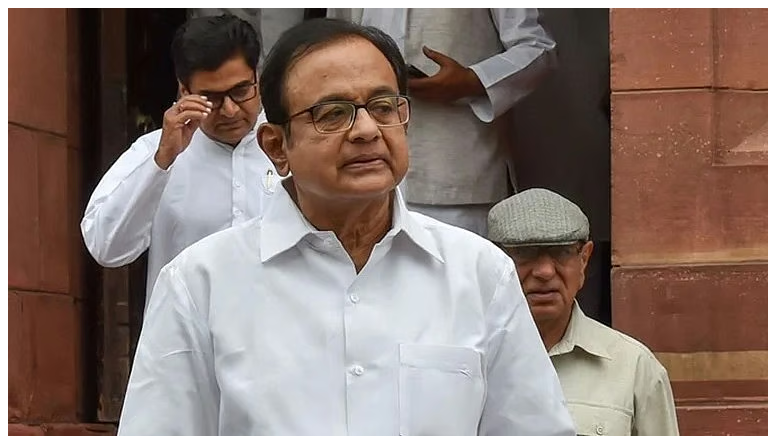
The recent IndiGo flight crisis has sent shockwaves across the country, leaving thousands of passengers stranded and frustrated. The airline’s decision to cancel numerous flights has been met with widespread criticism, with many calling for greater accountability and transparency in the aviation sector. Amidst this chaos, Congress leader P Chidambaram has weighed in on the issue, backing Rahul Gandhi’s comment that the “monopoly/duopoly model is ill-suited for a developing country” like India.
According to Chidambaram, the duopoly model exists in many sectors, including the airline industry, where a few large players dominate the market, stifling competition and innovation. He argued that the principles of liberalization and open economy are based on competition, which is essential for driving growth, innovation, and consumer choice. However, in the absence of competition, the consequences can be severe, as witnessed in the current airline industry crisis.
Chidambaram’s comments come at a time when the government has ordered a probe into the IndiGo flight crisis, with the Ministry of Civil Aviation promising relief steps to mitigate the impact on passengers. The move is seen as a response to the growing public outcry and criticism from opposition parties, who have been demanding greater action to address the crisis.
The duopoly model, which Chidambaram refers to, is a market structure where two firms dominate the industry, often leading to a lack of competition and higher prices for consumers. In the airline industry, the dominance of a few large players like IndiGo and other major airlines has led to concerns about market concentration and the potential for abuse of market power.
The consequences of this duopoly model are far-reaching, with consumers often bearing the brunt of higher prices, reduced services, and limited choices. The lack of competition also stifles innovation, as firms may not feel the need to invest in new technologies or services, leading to stagnation and inefficiency in the industry.
Chidambaram’s comments are significant, as they highlight the need for greater competition and regulation in the airline industry. The government’s decision to probe the IndiGo flight crisis is a step in the right direction, but more needs to be done to address the underlying issues that have led to this crisis.
One possible solution is to promote greater competition in the airline industry by encouraging new entrants and supporting smaller players. This could involve policies like reducing regulatory barriers, providing incentives for new airlines, and promoting public-private partnerships to improve infrastructure and services.
Another approach could be to strengthen regulatory frameworks to prevent abuse of market power and ensure that consumers are protected. This could involve measures like price regulation, service quality standards, and stricter enforcement of consumer protection laws.
Ultimately, the IndiGo flight crisis serves as a wake-up call for the government and regulators to take a closer look at the airline industry and the duopoly model that dominates it. By promoting greater competition, innovation, and consumer choice, India can create a more vibrant and efficient airline industry that benefits both consumers and the economy as a whole.
As Chidambaram noted, the principles of liberalization and open economy are based on competition, and it is essential to ensure that this competition is vibrant and healthy. The government and regulators must take a proactive approach to address the underlying issues in the airline industry and promote a more competitive and innovative market structure.
In conclusion, the IndiGo flight crisis highlights the need for greater competition and regulation in the airline industry. Chidambaram’s comments on the duopoly model and its consequences are a timely reminder of the importance of promoting competition and innovation in the industry. As the government and regulators move to address the crisis, they must also consider the broader implications of the duopoly model and take steps to promote a more vibrant and efficient airline industry.
About the Author