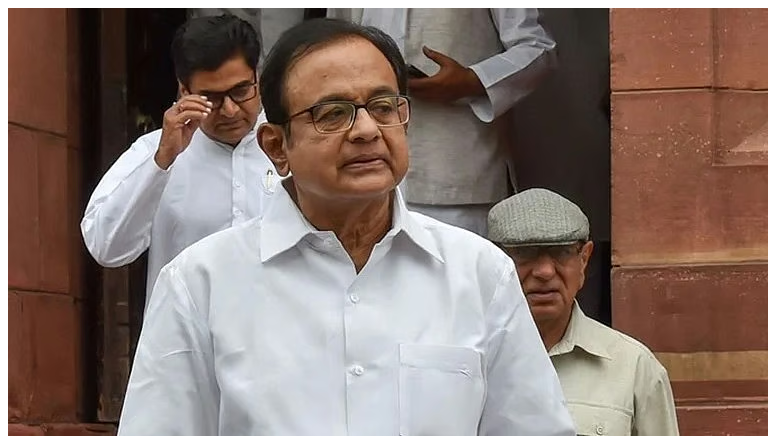
Chidambaram blames duopoly model amid IndiGo flight crisis
The recent IndiGo flight crisis has sent shockwaves across the country, leaving thousands of passengers stranded and frustrated. The airline’s decision to cancel numerous flights due to a shortage of pilots has been met with widespread criticism, with many questioning the efficacy of the current aviation model. Amidst this chaos, Congress leader P Chidambaram has come out in support of his party colleague Rahul Gandhi’s comment that the “monopoly/duopoly model is ill-suited for a developing country”. Chidambaram’s statement has sparked a heated debate on the merits of the duopoly model, particularly in the context of the airline industry.
According to Chidambaram, the duopoly model exists in many sectors, including the airline industry, where a few large players dominate the market, stifling competition and leading to a lack of choice for consumers. He argued that the principles of liberalization and open economy are based on competition, which is essential for driving innovation, improving services, and keeping prices in check. In the absence of competition, Chidambaram warned, there will be baneful consequences, as is being witnessed now in the airline industry.
The IndiGo flight crisis is a case in point. With the airline canceling numerous flights, passengers have been left with limited options, and many have been forced to shell out exorbitant amounts for last-minute bookings on other airlines. This highlights the lack of competition in the airline industry, where a few large players, including IndiGo, have cornered a significant share of the market. The absence of smaller, regional airlines has created a vacuum, which has been exacerbated by the current crisis.
Chidambaram’s comments have been backed by many experts, who argue that the duopoly model has led to a lack of investment in the airline industry, particularly in terms of infrastructure and human resources. The shortage of pilots, for instance, is a direct consequence of the lack of investment in training and development programs. Moreover, the dominance of a few large airlines has led to a lack of innovation, with many airlines simply aping each other’s business models, rather than trying to differentiate themselves.
The government, on its part, has ordered a probe into the IndiGo flight crisis, and has announced relief steps to mitigate the suffering of passengers. However, many argue that these measures are merely a Band-Aid solution, and that a more fundamental overhaul of the aviation model is needed. This includes encouraging competition, investing in infrastructure, and promoting regional airlines.
In this context, Chidambaram’s comments are significant, as they highlight the need for a more nuanced approach to liberalization and open economy. While these principles have been instrumental in driving growth and development, they must be balanced with the need for competition and social welfare. The duopoly model, which has been allowed to flourish in many sectors, including the airline industry, must be re-examined, and steps must be taken to promote competition and innovation.
The implications of the duopoly model extend beyond the airline industry, and have far-reaching consequences for the economy as a whole. In the absence of competition, industries become complacent, and innovation suffers. This, in turn, affects the overall competitiveness of the economy, making it less attractive to investors and hindering growth. Moreover, the lack of competition leads to a lack of choice for consumers, who are forced to pay higher prices for inferior services.
In conclusion, the IndiGo flight crisis has highlighted the need for a fundamental overhaul of the aviation model, and the duopoly model that underpins it. Chidambaram’s comments, backing Rahul Gandhi’s statement, are a timely reminder of the need for competition and innovation in the airline industry. The government must take steps to promote competition, invest in infrastructure, and encourage regional airlines. Only then can the airline industry be expected to provide world-class services to passengers, and contribute to the growth and development of the economy.
About the Author