Chidambaram Blames Duopoly Model Amid IndiGo Flight Crisis
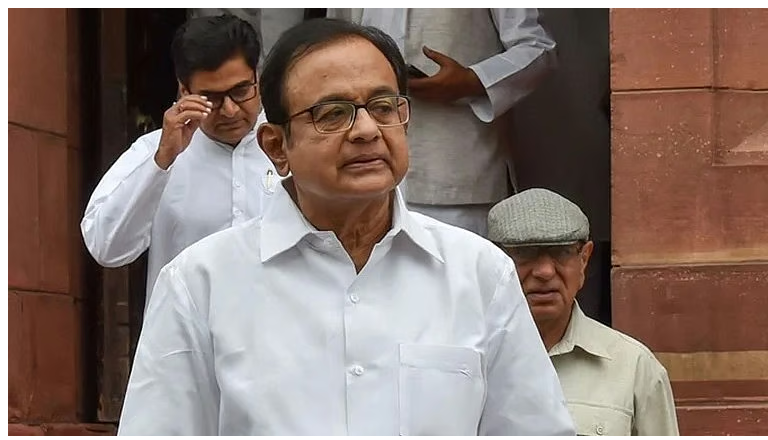
The recent IndiGo flight crisis has sent shockwaves across the country, leaving thousands of passengers stranded and frustrated. The airline industry, which is a vital component of India’s transportation network, has been plagued by issues of delayed flights, cancellations, and poor customer service. Amidst this chaos, Congress leader P Chidambaram has weighed in on the issue, backing Rahul Gandhi’s comment that the “monopoly/duopoly model is ill-suited for a developing country” like India.
Chidambaram’s statement comes at a time when the government has ordered a probe into the IndiGo flight crisis and announced relief steps to mitigate the suffering of passengers. The Congress leader’s comments highlight the need for increased competition in the airline industry, which is currently dominated by a few players. According to Chidambaram, the duopoly model exists in many sectors, including the airline industry, and this lack of competition is having “baneful consequences” as witnessed in the current crisis.
The concept of duopoly refers to a market structure where two firms dominate the industry, often leading to a lack of competition and innovation. In the case of the Indian airline industry, the duopoly model has resulted in a situation where a few players, including IndiGo, have significant market share and influence. This concentration of power can lead to a range of problems, including higher prices, poor customer service, and a lack of investment in infrastructure and technology.
Chidambaram’s comments are significant, as they highlight the need for a more competitive market structure in the airline industry. The Congress leader argued that liberalization and open economy are based on competition, and in the absence of competition, there will be negative consequences. The current crisis in the airline industry is a testament to this fact, with passengers bearing the brunt of delayed flights, cancellations, and poor customer service.
The IndiGo flight crisis has also raised questions about the role of the government in regulating the airline industry. The government has ordered a probe into the crisis, which is a step in the right direction. However, more needs to be done to address the underlying issues that have led to this crisis. This includes promoting competition in the industry, investing in infrastructure and technology, and ensuring that airlines are held accountable for their actions.
In recent years, the Indian airline industry has experienced significant growth, with the number of passengers increasing exponentially. However, this growth has also led to a range of challenges, including infrastructure constraints, staffing shortages, and regulatory issues. The government needs to take a proactive approach to addressing these challenges, rather than simply reacting to crises as they arise.
One way to promote competition in the airline industry is to encourage new entrants and support existing players. This can be done through a range of measures, including tax incentives, subsidies, and regulatory reforms. The government can also play a role in promoting investment in infrastructure and technology, which is critical for the growth and development of the industry.
In addition to promoting competition, the government needs to take steps to protect the rights of passengers. This includes implementing stricter regulations and guidelines for airlines, as well as providing support and compensation to passengers who are affected by delays, cancellations, and other issues. The government can also establish an independent regulator to oversee the industry and ensure that airlines are held accountable for their actions.
In conclusion, the IndiGo flight crisis has highlighted the need for a more competitive market structure in the airline industry. Chidambaram’s comments, backing Rahul Gandhi’s statement, emphasize the importance of promoting competition and addressing the underlying issues that have led to this crisis. The government needs to take a proactive approach to regulating the industry, promoting competition, and protecting the rights of passengers. Only then can we ensure that the airline industry is able to provide safe, efficient, and reliable services to passengers, while also promoting economic growth and development.
About the Author