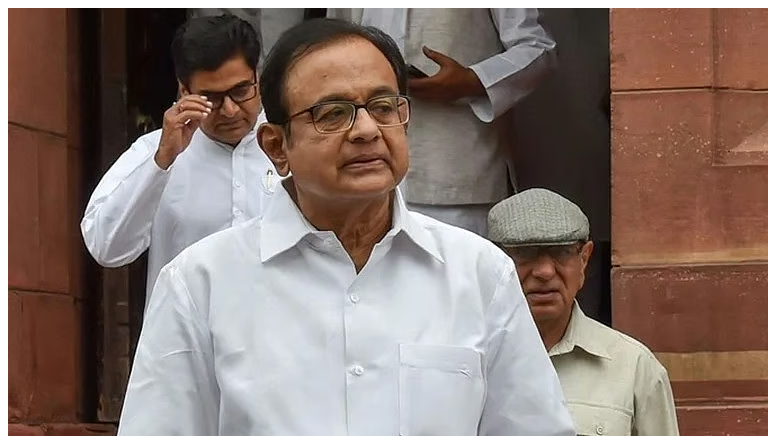
Chidambaram blames duopoly model amid IndiGo flight crisis
The recent IndiGo flight crisis has sent shockwaves across the country, leaving thousands of passengers stranded and frustrated. The airline, which is one of the largest in India, has been facing a severe shortage of pilots, leading to a massive cancellation of flights. The situation has been exacerbated by the lack of competition in the airline industry, with only a few players dominating the market. Amidst this chaos, Congress leader P Chidambaram has come out in support of his party colleague Rahul Gandhi’s comment that the “monopoly/duopoly model is ill-suited for a developing country”.
Chidambaram, a former Finance Minister, has blamed the duopoly model in the airline industry for the current crisis. He pointed out that the duopoly exists not only in the airline industry but also in many other sectors, including telecommunications, pharmaceuticals, and e-commerce. According to him, the lack of competition in these sectors has led to a concentration of power in the hands of a few players, which ultimately harms the consumers.
“Liberalisation and Open Economy are based on competition. Absent competition, there will be baneful consequences as we’re witnessing now in the airline industry,” Chidambaram said. He argued that the duopoly model is inherently flawed and is not suitable for a developing country like India, where the majority of the population is still struggling to make ends meet.
The duopoly model, in which two players dominate the market, can lead to a lack of innovation, higher prices, and poor services. In the case of the airline industry, the dominance of IndiGo and another major player has led to a situation where consumers have limited choices and are forced to pay higher fares. The current crisis has exposed the vulnerabilities of the duopoly model, with thousands of passengers being left stranded due to the cancellation of flights.
Chidambaram’s comments are significant, as they come at a time when the government is facing criticism for its handling of the economy. The Modi government has been accused of promoting crony capitalism and allowing a few large players to dominate the market. The opposition parties, including the Congress, have been arguing that the government’s policies have led to a concentration of wealth and power in the hands of a few individuals, which is detrimental to the overall health of the economy.
The IndiGo flight crisis has also raised questions about the regulatory framework in the country. The Directorate General of Civil Aviation (DGCA) has been accused of being lax in its regulation of the airline industry, allowing players to flout rules and regulations with impunity. The government has ordered a probe into the crisis, but it remains to be seen whether any concrete action will be taken against the erring airlines.
In the meantime, the government has announced relief steps for the affected passengers, including refunds and alternate arrangements for travel. However, these measures are unlikely to address the underlying issues in the airline industry, which are rooted in the duopoly model. The government needs to take a holistic approach to address the issues in the airline industry, including promoting competition and strengthening the regulatory framework.
In conclusion, the IndiGo flight crisis has highlighted the flaws in the duopoly model, which is prevalent in many sectors of the economy. Chidambaram’s comments are a timely reminder that the monopoly/duopoly model is ill-suited for a developing country like India. The government needs to take concrete steps to promote competition and address the issues in the airline industry, rather than just providing temporary relief to the affected passengers.
The current crisis is an opportunity for the government to rethink its economic policies and promote a more competitive and inclusive economy. The opposition parties, including the Congress, have been arguing that the government’s policies have led to a concentration of wealth and power in the hands of a few individuals, which is detrimental to the overall health of the economy. It remains to be seen whether the government will take heed of these warnings and take concrete steps to address the issues in the airline industry and the economy as a whole.
About the Author