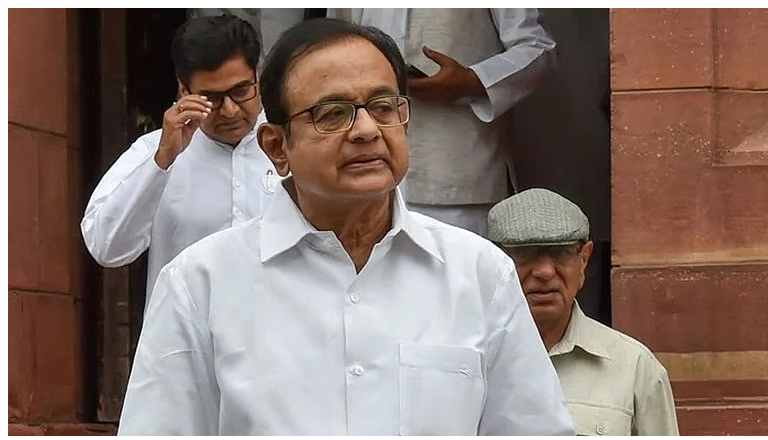
Chidambaram blames duopoly model amid IndiGo flight crisis
The recent chaos surrounding IndiGo flights has sparked a heated debate about the state of the airline industry in India. With thousands of passengers affected by cancellations and delays, the crisis has raised questions about the effectiveness of the current market model. Congress leader P Chidambaram has weighed in on the issue, backing Rahul Gandhi’s comment that the “monopoly/duopoly model is ill-suited for a developing country” like India.
Chidambaram’s statement comes as the government has ordered a probe into the IndiGo flight crisis, with the Directorate General of Civil Aviation (DGCA) launching an investigation into the matter. The government has also announced relief steps to mitigate the impact of the crisis on passengers. However, Chidambaram believes that the root cause of the problem lies in the duopoly model that exists in the airline industry.
According to Chidambaram, the duopoly model is not unique to the airline industry, but exists in many sectors of the economy. He argues that this model is antithetical to the principles of liberalization and open economy, which are based on competition. “Liberalisation and Open Economy are based on competition. Absent competition, there will be baneful consequences as we’re witnessing now in the airline industry,” he said.
The duopoly model, where two players dominate the market, can lead to a lack of competition, which in turn can result in higher prices, poor services, and a lack of innovation. In the case of the airline industry, the dominance of two players can lead to a situation where passengers have limited options, making them vulnerable to price gouging and poor services.
Chidambaram’s comments are significant, as they highlight the need for greater competition in the airline industry. The Indian airline industry is dominated by two players, IndiGo and SpiceJet, which together account for over 70% of the market share. This dominance can lead to a lack of competition, which can result in higher prices and poor services.
The IndiGo flight crisis has brought to the fore the need for greater competition in the airline industry. The crisis has affected thousands of passengers, with many being forced to wait for hours or even days for their flights. The situation has been exacerbated by the lack of options available to passengers, with many being forced to choose between IndiGo and SpiceJet.
The government’s decision to order a probe into the crisis is a step in the right direction. However, Chidambaram believes that the government needs to go beyond just investigating the crisis and take steps to promote greater competition in the airline industry. This can be done by encouraging new players to enter the market, reducing regulatory barriers, and promoting transparency and accountability.
The need for greater competition in the airline industry is not just limited to the interests of passengers. It is also essential for the growth and development of the economy. A competitive airline industry can lead to lower prices, better services, and greater innovation, which can have a positive impact on the economy as a whole.
In conclusion, the IndiGo flight crisis has highlighted the need for greater competition in the airline industry. Chidambaram’s comments, backing Rahul Gandhi’s statement, emphasize the importance of promoting competition in the economy. The government needs to take steps to encourage new players to enter the market, reduce regulatory barriers, and promote transparency and accountability. Only then can we hope to create a more competitive and vibrant airline industry that benefits both passengers and the economy as a whole.
About the Author