Chidambaram blames duopoly model amid IndiGo flight crisis
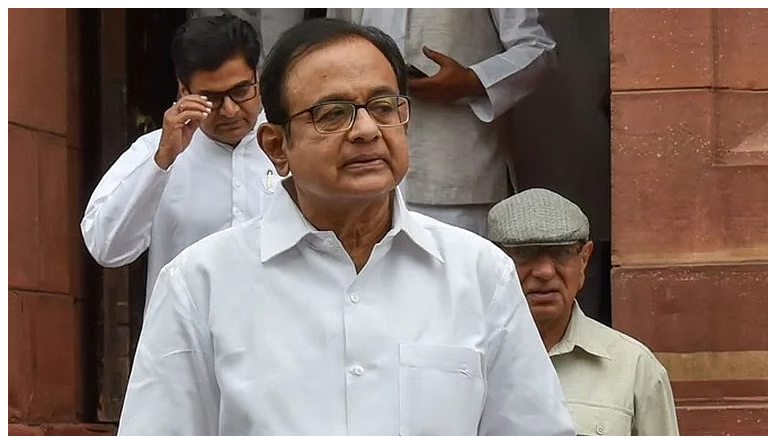
The recent chaos surrounding IndiGo flights has sparked a heated debate about the state of the airline industry in India. With thousands of passengers affected by the disruptions, the situation has become a major concern for the government and the general public. Amidst this crisis, Congress leader P Chidambaram has weighed in on the issue, blaming the duopoly model for the problems plaguing the airline industry. Chidambaram’s comments come in support of Rahul Gandhi’s statement that the “monopoly/duopoly model is ill-suited for a developing country” like India.
According to Chidambaram, the duopoly model exists in many sectors, including the airline industry, where a few large players dominate the market, stifling competition and leading to a lack of choice for consumers. He argued that the principles of liberalization and open economy are based on competition, which is essential for driving innovation, improving services, and keeping prices in check. However, in the absence of competition, the consequences can be severe, as is evident in the current crisis facing the airline industry.
The IndiGo flight crisis has been attributed to various factors, including technical issues, staffing problems, and inadequate infrastructure. However, Chidambaram’s comments suggest that the root cause of the problem lies in the duopoly model, which has allowed a few large airlines to dominate the market, leading to a lack of competition and innovation. This, in turn, has resulted in a lack of investment in infrastructure, staffing, and technology, ultimately affecting the quality of services and the overall passenger experience.
Chidambaram’s remarks are significant, as they highlight the need for greater competition in the airline industry. With the duopoly model, consumers are often left with limited choices, and airlines have little incentive to improve their services or reduce prices. This can lead to a range of problems, including higher fares, poor customer service, and inadequate safety standards. By promoting competition, the government can encourage new entrants into the market, driving innovation and improving the overall quality of services.
The government has already taken steps to address the crisis, ordering a probe into the disruptions and announcing relief measures for affected passengers. However, Chidambaram’s comments suggest that a more fundamental overhaul of the airline industry is needed, one that promotes competition and encourages new players to enter the market. This could involve measures such as deregulating the industry, reducing barriers to entry, and providing incentives for new airlines to start operations.
The duopoly model is not unique to the airline industry, and Chidambaram’s comments have implications for other sectors as well. In many industries, a few large players dominate the market, leading to a lack of competition and innovation. This can have far-reaching consequences, including higher prices, poor quality services, and inadequate investment in infrastructure and technology. By promoting competition and encouraging new entrants into the market, the government can help to address these problems and drive growth and development.
In conclusion, the IndiGo flight crisis has highlighted the need for greater competition in the airline industry. Chidambaram’s comments, in support of Rahul Gandhi’s statement, emphasize the importance of promoting competition and encouraging new players to enter the market. By addressing the duopoly model and promoting competition, the government can help to drive innovation, improve services, and reduce prices, ultimately benefiting consumers and the economy as a whole.
As the government continues to grapple with the crisis, it is essential to consider the long-term implications of the duopoly model and the need for greater competition in the airline industry. By taking steps to promote competition and encourage new entrants into the market, the government can help to address the problems plaguing the industry and create a more sustainable and equitable model for the future.
About the Author