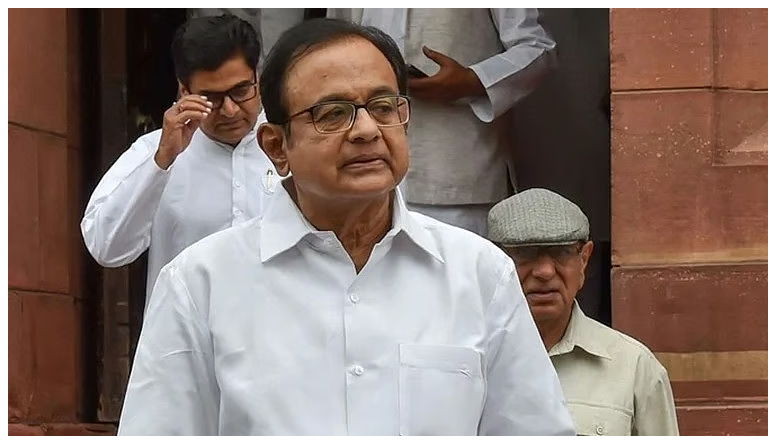
Chidambaram blames duopoly model amid IndiGo flight crisis
The recent chaos surrounding IndiGo flights has sparked a heated debate about the state of the airline industry in India. With thousands of passengers affected by cancelled or delayed flights, the situation has raised concerns about the lack of competition in the sector. Congress leader P Chidambaram has weighed in on the issue, echoing the sentiments of party leader Rahul Gandhi that the “monopoly/duopoly model is ill-suited for a developing country” like India.
According to Chidambaram, the duopoly model, where two players dominate the market, exists in many sectors, including the airline industry. He argued that this model is detrimental to the growth and development of the country, as it stifles competition and leads to a lack of innovation and choice for consumers. “Liberalisation and Open Economy are based on competition. Absent competition, there will be baneful consequences as we’re witnessing now in the airline industry,” he said.
The IndiGo flight crisis has brought to the forefront the problems associated with a duopoly model. With two major players, IndiGo and SpiceJet, dominating the market, there is little room for other airlines to operate and compete. This has resulted in a lack of choice for passengers, who are forced to rely on these two airlines for their travel needs. The recent chaos has exposed the vulnerabilities of this model, with passengers bearing the brunt of the delays and cancellations.
Chidambaram’s comments come in the wake of Rahul Gandhi’s statement that the monopoly/duopoly model is not suitable for a developing country like India. Gandhi had argued that this model leads to a lack of competition, which in turn affects the quality of services and the prices charged to consumers. He had also emphasized the need for promoting competition in various sectors to ensure that consumers have access to quality services at affordable prices.
The duopoly model in the airline industry has been a subject of debate for some time now. With the two major players dominating the market, there is little scope for new entrants to operate and compete. This has led to a lack of innovation and choice for passengers, who are forced to rely on these two airlines for their travel needs. The recent crisis has highlighted the need for promoting competition in the sector to ensure that passengers have access to quality services at affordable prices.
The government has taken note of the crisis and has ordered a probe into the matter. The Ministry of Civil Aviation has initiated an investigation into the causes of the delays and cancellations, and has also announced relief measures for affected passengers. The government has also assured that it will take necessary steps to promote competition in the sector and ensure that passengers have access to quality services at affordable prices.
However, critics argue that the government’s response is too little, too late. They argue that the government should have taken steps to promote competition in the sector earlier, rather than waiting for a crisis to erupt. They also argue that the government should have been more proactive in regulating the sector and ensuring that airlines operate in a fair and transparent manner.
The debate surrounding the duopoly model in the airline industry is not new. For years, experts have been warning about the dangers of a lack of competition in the sector. They have argued that a duopoly model leads to a lack of innovation and choice for passengers, and can also lead to higher prices and poor services. The recent crisis has brought these concerns to the forefront, and has highlighted the need for promoting competition in the sector.
In conclusion, the IndiGo flight crisis has highlighted the problems associated with a duopoly model in the airline industry. The lack of competition in the sector has led to a lack of choice for passengers, and has also resulted in poor services and higher prices. Congress leader P Chidambaram’s comments, echoing the sentiments of Rahul Gandhi, have emphasized the need for promoting competition in the sector to ensure that passengers have access to quality services at affordable prices. The government’s response to the crisis is a step in the right direction, but more needs to be done to promote competition and ensure that the airline industry operates in a fair and transparent manner.
About the Author