Chidambaram blames duopoly model amid IndiGo flight crisis
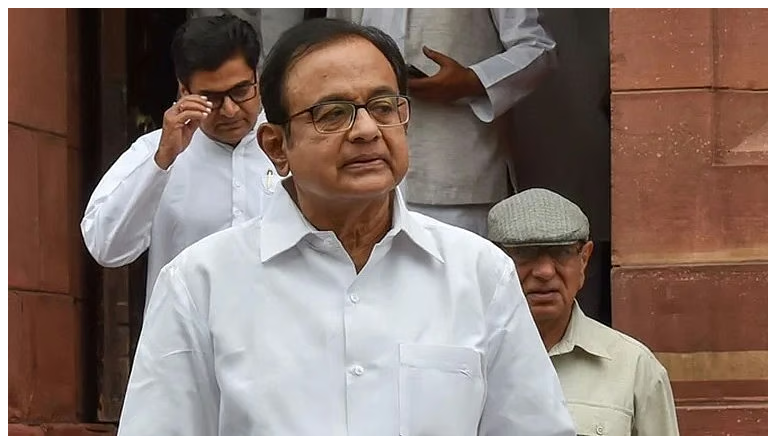
The recent chaos surrounding IndiGo flights has sent shockwaves throughout the country, with thousands of passengers affected by the cancellations and delays. As the situation continues to unfold, Congress leader P Chidambaram has weighed in on the issue, backing Rahul Gandhi’s comment that the “monopoly/duopoly model is ill-suited for a developing country” like India. According to Chidambaram, the duopoly model, which exists in many sectors, including the airline industry, is to blame for the current crisis.
Chidambaram’s statement comes at a time when the Indian government has ordered a probe into the IndiGo flight crisis, with relief steps being taken to mitigate the impact on passengers. However, the Congress leader’s comments suggest that the problem runs deeper, and that the duopoly model is a major contributor to the chaos. “Liberalisation and Open Economy are based on competition. Absent competition, there will be baneful consequences as we’re witnessing now in the airline industry,” he said.
The duopoly model, which refers to a market structure where two companies dominate the industry, can lead to a lack of competition, resulting in higher prices, poor services, and a lack of innovation. In the case of the airline industry, the dominance of two major players can lead to a situation where passengers have limited choices, and are at the mercy of these companies. This can result in a lack of accountability, as companies may feel that they have a captive market, and therefore, do not need to prioritize customer satisfaction.
Chidambaram’s comments are significant, as they highlight the need for greater competition in the airline industry. With the duopoly model in place, it can be challenging for new entrants to break into the market, leading to a lack of diversity and innovation. This can result in a stagnation of services, as companies may feel that they do not need to invest in improving their offerings, as they have a dominant position in the market.
The IndiGo flight crisis has brought to the forefront the need for greater competition in the airline industry. With thousands of passengers affected, the government has been forced to take action, ordering a probe into the crisis, and taking relief steps to mitigate the impact on passengers. However, Chidambaram’s comments suggest that the problem is more deep-seated, and that the duopoly model is a major contributor to the chaos.
The duopoly model is not unique to the airline industry, and exists in many other sectors, including telecommunications, banking, and healthcare. In each of these sectors, the dominance of two major players can lead to a lack of competition, resulting in higher prices, poor services, and a lack of innovation. This can have far-reaching consequences, as it can limit access to essential services, and hinder economic growth.
In the case of the airline industry, the duopoly model can have significant consequences, as it can limit access to air travel, which is an essential mode of transportation for many people. With the dominance of two major players, passengers may have limited choices, and may be forced to pay higher prices for poor services. This can result in a lack of accountability, as companies may feel that they have a captive market, and therefore, do not need to prioritize customer satisfaction.
The government’s response to the IndiGo flight crisis has been swift, with a probe being ordered, and relief steps being taken to mitigate the impact on passengers. However, Chidambaram’s comments suggest that more needs to be done to address the underlying issues, including the duopoly model. By promoting greater competition in the airline industry, the government can help to ensure that passengers have access to affordable, reliable, and efficient air travel services.
In conclusion, the IndiGo flight crisis has highlighted the need for greater competition in the airline industry. Chidambaram’s comments, backing Rahul Gandhi’s statement that the “monopoly/duopoly model is ill-suited for a developing country” like India, are significant, as they highlight the need for a more competitive market structure. By promoting greater competition, the government can help to ensure that passengers have access to affordable, reliable, and efficient air travel services, and that the airline industry is more accountable to its customers.
About the Author