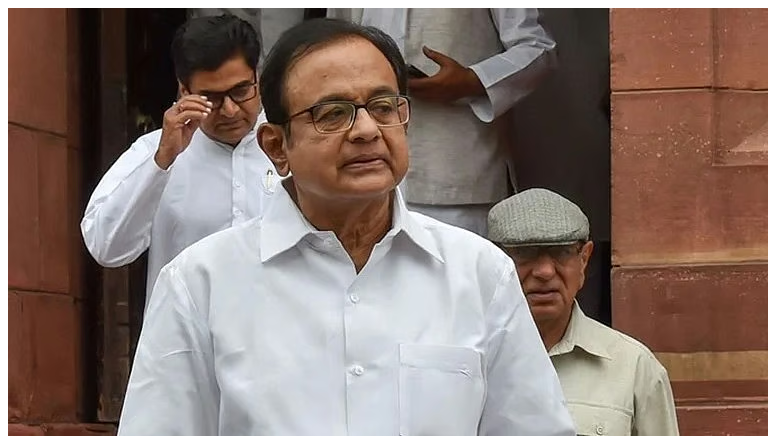
Chidambaram blames duopoly model amid IndiGo flight crisis
The recent IndiGo flight crisis has sent shockwaves across the country, with thousands of passengers affected by the cancellations and disruptions. The situation has sparked a heated debate about the state of the airline industry in India, with many questioning the viability of the current business model. Amidst this chaos, Congress leader P Chidambaram has weighed in on the issue, backing his party colleague Rahul Gandhi’s comment that the “monopoly/duopoly model is ill-suited for a developing country” like India.
Chidambaram’s statement comes at a time when the government has ordered a probe into the IndiGo crisis, with the Ministry of Civil Aviation announcing relief steps to mitigate the suffering of passengers. The Congress leader’s remarks, however, highlight a more fundamental issue with the Indian economy, where a duopoly model exists in many sectors, including the airline industry.
According to Chidambaram, the duopoly model is antithetical to the principles of liberalization and open economy, which are based on competition. “Absent competition, there will be baneful consequences as we’re witnessing now in the airline industry,” he said. This statement underscores the need for a more competitive market, where multiple players can operate and provide better services to consumers.
The duopoly model, where two players dominate the market, can lead to a lack of innovation, higher prices, and poorer services. In the case of the airline industry, the dominance of IndiGo and another major player has resulted in a lack of competition, which has ultimately led to the current crisis. With limited options available to passengers, the duopoly model has created a situation where the dominant players can dictate prices and services, without fear of reprisal.
Chidambaram’s comments are significant, as they highlight the need for a more nuanced approach to economic policy-making. While liberalization and open economy have been touted as the panacea for India’s economic ills, the reality is more complex. The absence of competition in many sectors has led to the creation of monopolies and duopolies, which can have far-reaching consequences for consumers and the economy as a whole.
The IndiGo flight crisis is a case in point. The airline’s dominance in the market has led to a situation where it can cancel flights without fear of reprisal, leaving thousands of passengers stranded. The lack of competition has also resulted in higher prices, with passengers having limited options to choose from. The situation is a stark reminder of the need for a more competitive market, where multiple players can operate and provide better services to consumers.
The government’s response to the crisis has been swift, with the Ministry of Civil Aviation announcing relief steps to mitigate the suffering of passengers. However, the long-term solution lies in creating a more competitive market, where multiple players can operate and provide better services to consumers. This requires a more nuanced approach to economic policy-making, one that takes into account the need for competition and innovation in various sectors.
In conclusion, the IndiGo flight crisis has highlighted the need for a more competitive market in the airline industry. Chidambaram’s comments, backing Rahul Gandhi’s statement, underscore the importance of promoting competition and innovation in various sectors. The duopoly model, which exists in many sectors, including the airline industry, can have far-reaching consequences for consumers and the economy as a whole. It is time for policymakers to take a more nuanced approach to economic policy-making, one that promotes competition and innovation, rather than relying on monopolies and duopolies.
As the government probes the IndiGo crisis and announces relief steps, it is essential to address the underlying issues that have led to this situation. The need for a more competitive market, where multiple players can operate and provide better services to consumers, cannot be overstated. Only then can we ensure that the airline industry, and other sectors, operate in a manner that is beneficial to consumers and the economy as a whole.
About the Author