Chance of influencing witnesses after bail in POCSO cases real: SC
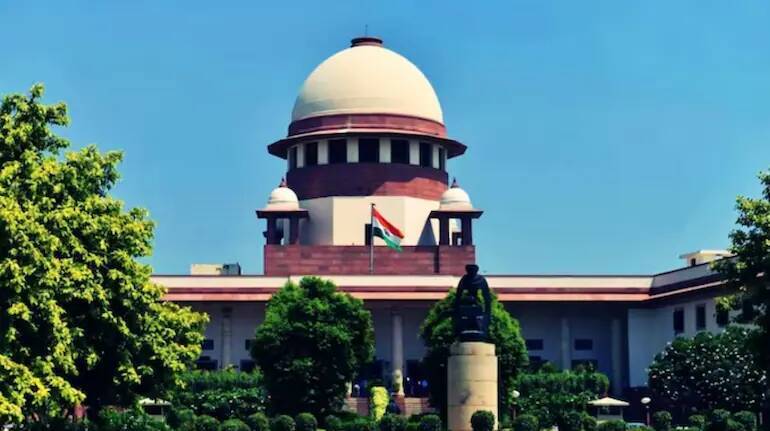
The Supreme Court of India has made a significant observation regarding the granting of bail in cases involving sexual assault against children under the Protection of Children from Sexual Offences (POCSO) Act. The court stated that the likelihood of evidence tampering or influencing witnesses after the grant of bail in such cases is a legitimate and grave concern. This observation was made while the court was hearing a petition challenging the grant of bail to a youth from Shamli in Uttar Pradesh, who was accused of repeated penetrative sexual assault under armed intimidation of a minor.
The case in question involved a horrific incident of sexual assault against a minor, and the accused was granted bail by the Allahabad High Court. However, the Supreme Court intervened and cancelled the bail, citing the possibility of the accused influencing witnesses or tampering with evidence. This decision highlights the seriousness with which the Supreme Court views cases of child sexual abuse and the need to ensure that the accused does not interfere with the investigation or the trial.
The POCSO Act was enacted in 2012 to provide a robust framework for the protection of children from sexual abuse and exploitation. The Act defines various forms of sexual abuse, including penetrative and non-penetrative assault, and provides for stringent penalties for those found guilty. The Act also provides for the establishment of Special Courts to try cases under the Act, and for the appointment of Special Public Prosecutors to prosecute such cases.
Despite the existence of the POCSO Act, cases of child sexual abuse continue to be reported with alarming frequency. The National Crime Records Bureau (NCRB) reported that over 32,000 cases of child rape were registered in India in 2020, which is a significant increase from the previous year. The NCRB also reported that the conviction rate in cases of child rape is abysmally low, with only about 30% of cases resulting in convictions.
The Supreme Court’s observation regarding the likelihood of evidence tampering or influencing witnesses in POCSO cases is particularly significant in this context. The court’s decision to cancel the bail granted to the accused in the present case highlights the need for the lower courts to exercise caution while granting bail in such cases. The court’s observation also underscores the importance of ensuring that the investigation and trial in POCSO cases are conducted fairly and without any interference from the accused.
The Supreme Court’s decision is also a reminder of the need for the police and the prosecution to investigate and prosecute POCSO cases with sensitivity and diligence. The court’s observation regarding the likelihood of evidence tampering or influencing witnesses highlights the importance of collecting and preserving evidence carefully, and of ensuring that witnesses are protected from intimidation or coercion.
In recent years, there have been several instances of accused persons in POCSO cases attempting to influence witnesses or tamper with evidence. In some cases, the accused have even gone to the extent of threatening or intimidating the victims or their families. Such incidents highlight the need for the courts to exercise caution while granting bail in POCSO cases, and to ensure that the accused do not interfere with the investigation or the trial.
The Supreme Court’s decision to cancel the bail granted to the accused in the present case is a welcome move, and is likely to have a significant impact on the way in which POCSO cases are handled in the future. The decision is a reminder of the need for the courts to prioritize the safety and well-being of child victims of sexual abuse, and to ensure that those accused of such crimes are held accountable.
In conclusion, the Supreme Court’s observation regarding the likelihood of evidence tampering or influencing witnesses in POCSO cases is a significant one, and highlights the need for caution and sensitivity in the handling of such cases. The court’s decision to cancel the bail granted to the accused in the present case is a welcome move, and is likely to have a positive impact on the way in which POCSO cases are handled in the future. It is hoped that the lower courts will take note of the Supreme Court’s observation, and will exercise caution while granting bail in POCSO cases.
About the Author