Chance of Influencing Witnesses After Bail in POCSO Cases Real: SC
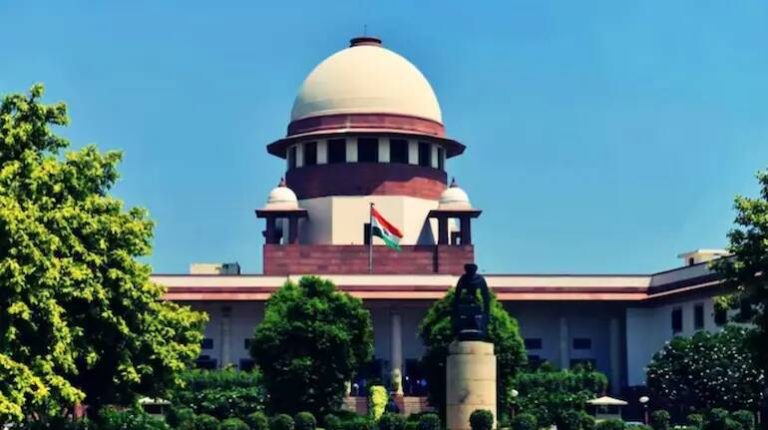
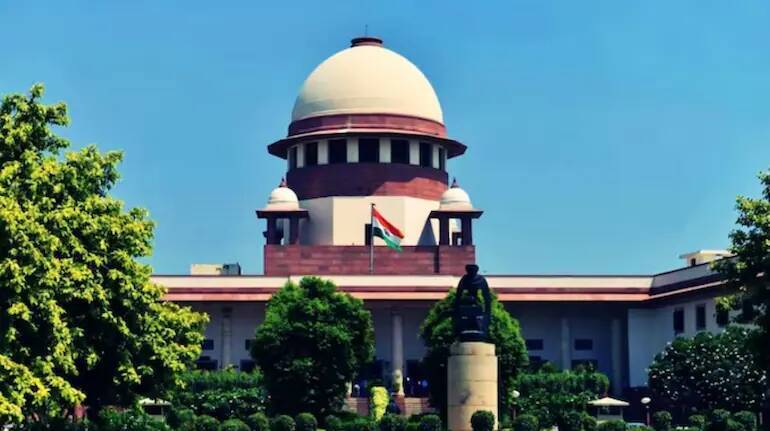
The Supreme Court of India has recently made a significant observation regarding the grant of bail in cases involving sexual assault against children, commonly referred to as POCSO (Protection of Children from Sexual Offences) cases. The apex court stated that the likelihood of evidence tampering or influencing witnesses after the grant of bail in such cases is a legitimate and grave concern. This observation was made while canceling the bail granted by the Allahabad High Court to a youth from Shamli in Uttar Pradesh, accused of repeated penetrative sexual assault under armed intimidation of a minor.
The POCSO Act, 2012, is a special law enacted to protect children from offenses of sexual abuse, sexual assault, and pornography. The Act provides for severe punishments, including life imprisonment, for those found guilty of such offenses. The law also provides for a special procedure for the investigation and trial of such cases, with a view to ensuring that the child victim is not further traumatized.
However, the grant of bail in POCSO cases has always been a contentious issue. While the accused has a right to bail, the possibility of evidence tampering or influencing witnesses cannot be ruled out. The Supreme Court’s observation highlights the importance of balancing the rights of the accused with the need to ensure a fair trial and protect the interests of the child victim.
In the present case, the accused was granted bail by the Allahabad High Court, which was subsequently challenged by the state government before the Supreme Court. The apex court, while canceling the bail, observed that the possibility of the accused influencing witnesses or tampering with evidence is a real and legitimate concern. The court noted that the accused had been charged with serious offenses, including penetrative sexual assault, and that the investigation was still at a preliminary stage.
The Supreme Court’s observation is significant, as it highlights the need for caution while granting bail in POCSO cases. The court’s decision will have far-reaching implications, as it will serve as a precedent for lower courts to follow. The observation also underscores the importance of ensuring that the investigation and trial of POCSO cases are conducted in a fair and impartial manner, without any undue influence or interference.
The POCSO Act, 2012, has been enacted with the objective of providing a safe and secure environment for children. The law has been designed to ensure that children are protected from sexual abuse and assault, and that those who commit such offenses are punished severely. However, the grant of bail in POCSO cases can often undermine the objective of the law, as it can provide an opportunity for the accused to influence witnesses or tamper with evidence.
In recent years, there have been several instances where the grant of bail in POCSO cases has been criticized. In many cases, the accused has been found to have influenced witnesses or tampered with evidence, which has resulted in the acquittal of the accused. Such instances have highlighted the need for caution while granting bail in POCSO cases, and the Supreme Court’s observation is a step in the right direction.
The Supreme Court’s decision will also have implications for the investigation and trial of POCSO cases. The police and the prosecution will need to ensure that the investigation is conducted in a fair and impartial manner, without any undue influence or interference. The court’s observation will also serve as a reminder to the lower courts to exercise caution while granting bail in POCSO cases, and to consider the possibility of evidence tampering or influencing witnesses.
In conclusion, the Supreme Court’s observation that the likelihood of evidence tampering or influencing witnesses after the grant of bail in POCSO cases is a legitimate and grave concern is a significant one. The observation highlights the need for caution while granting bail in such cases and underscores the importance of ensuring a fair and impartial trial. The decision will have far-reaching implications for the investigation and trial of POCSO cases, and will serve as a reminder to the lower courts to exercise caution while granting bail in such cases.
About the Author