Chance of influencing witnesses after bail in POCSO cases real: SC
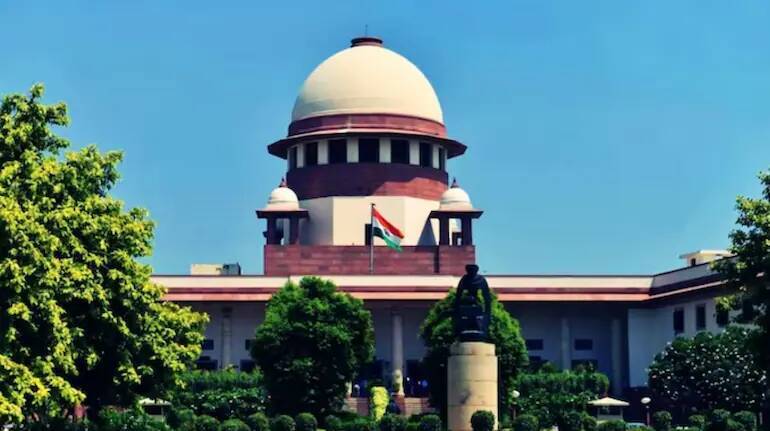
The Supreme Court of India has recently expressed its concern over the likelihood of evidence tampering or influencing witnesses after the grant of bail in offences involving sexual assault against children, commonly known as POCSO (Protection of Children from Sexual Offences) cases. This concern was raised as the court cancelled the bail granted by the Allahabad High Court to a youth from Shamli in Uttar Pradesh, accused of repeated penetrative sexual assault under armed intimidation of a minor.
The Supreme Court’s decision highlights the gravity of POCSO cases and the need for a cautious approach when dealing with bail applications. The court’s observation that the likelihood of evidence tampering or influencing witnesses is a legitimate and grave concern, underscores the importance of ensuring that the investigation and trial are not compromised in any way.
POCSO cases are particularly sensitive, as they involve the most vulnerable members of society – children. The trauma and distress caused to the child victims of sexual assault can be long-lasting and devastating. It is, therefore, essential that the perpetrators of such crimes are held accountable and brought to justice.
The grant of bail in POCSO cases can often be a complex issue. On the one hand, the accused has the right to be presumed innocent until proven guilty, and bail is a fundamental right that allows the accused to be released from custody until the trial is completed. On the other hand, the grant of bail can potentially compromise the investigation and trial, particularly if the accused is able to influence witnesses or tamper with evidence.
The Supreme Court’s decision in this case suggests that the court is taking a cautious approach when it comes to granting bail in POCSO cases. The court’s concern about the likelihood of evidence tampering or influencing witnesses is not unfounded, given the fact that many POCSO cases involve powerful or influential accused who may have the means to compromise the investigation and trial.
The cancellation of bail in this case is a significant decision, as it sends a strong message that the court will not tolerate any attempts to compromise the investigation and trial in POCSO cases. The decision also underscores the importance of ensuring that the rights of the child victims are protected and that justice is served.
The POCSO Act, 2012, is a comprehensive law that provides for the protection of children from sexual offences. The law provides for stringent punishment for perpetrators of sexual assault against children, including imprisonment and fines. The law also provides for the establishment of special courts to try POCSO cases, and for the appointment of special public prosecutors to prosecute these cases.
Despite the existence of the POCSO Act, the number of cases of sexual assault against children continues to be alarmingly high. According to the National Crime Records Bureau (NCRB), there were over 32,000 cases of sexual assault against children reported in 2020, which is a significant increase from the previous year.
The Supreme Court’s decision in this case highlights the need for a more effective implementation of the POCSO Act. The court’s concern about the likelihood of evidence tampering or influencing witnesses underscores the importance of ensuring that the investigation and trial in POCSO cases are conducted in a fair and transparent manner.
In conclusion, the Supreme Court’s decision in this case is a significant one, as it highlights the gravity of POCSO cases and the need for a cautious approach when dealing with bail applications. The court’s concern about the likelihood of evidence tampering or influencing witnesses is a legitimate one, and underscores the importance of ensuring that the investigation and trial are not compromised in any way. The decision sends a strong message that the court will not tolerate any attempts to compromise the investigation and trial in POCSO cases, and that the rights of the child victims will be protected.
About the Author