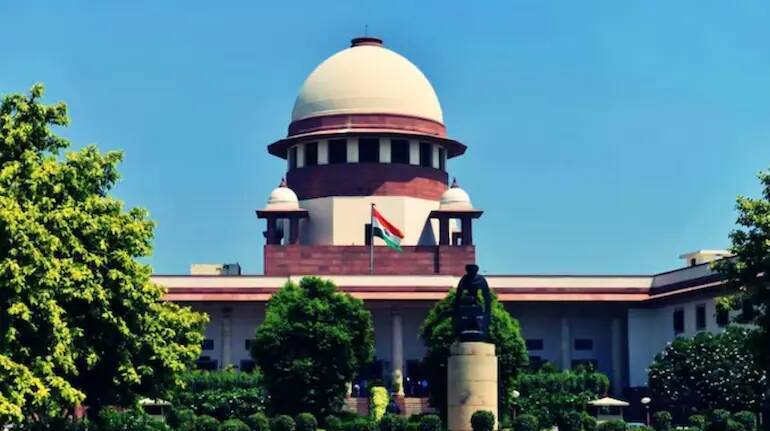
Chance of influencing witnesses after bail in POCSO cases real: SC
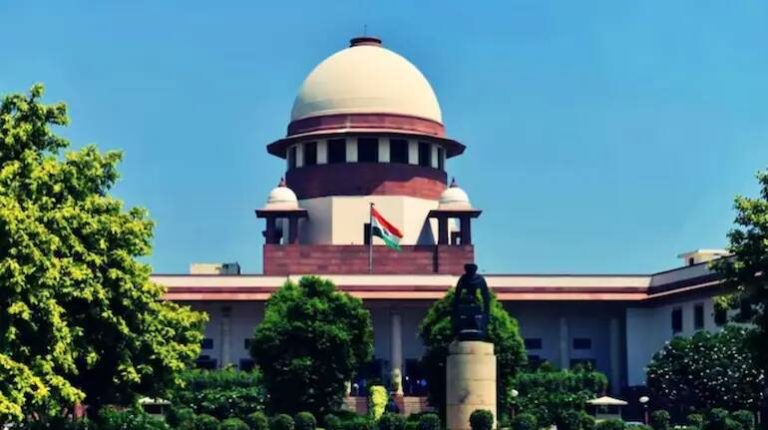
The Supreme Court of India has recently expressed its concern over the possibility of evidence tampering and influencing witnesses in cases involving sexual assault against children, particularly those falling under the Protection of Children from Sexual Offences (POCSO) Act. The court’s remarks came as it cancelled the bail granted to a youth from Shamli in Uttar Pradesh, who was accused of repeated penetrative sexual assault under armed intimidation of a minor. This decision highlights the gravity of the situation and the need for stringent measures to prevent any attempts to influence witnesses or tamper with evidence in such sensitive cases.
The POCSO Act, enacted in 2012, is a comprehensive law aimed at protecting children from various forms of sexual abuse, including sexual assault, sexual harassment, and pornography. The Act provides for stringent punishment for offenders, including imprisonment and fines. However, despite the stringent provisions, the conviction rate in POCSO cases remains low, and one of the primary reasons for this is the tampering of evidence and influencing of witnesses.
The Supreme Court’s decision to cancel the bail granted to the accused in the aforementioned case is a significant step towards ensuring that justice is served in POCSO cases. The court observed that the likelihood of evidence tampering or influencing witnesses after the grant of bail is a legitimate and grave concern. This concern is not unfounded, as there have been numerous instances where accused individuals have attempted to influence witnesses or tamper with evidence to escape punishment.
The court’s decision is also in line with the principles of the POCSO Act, which aims to provide a safe and secure environment for children to report instances of sexual abuse without fear of intimidation or retaliation. The Act also provides for the establishment of Special Courts to try offences under the Act, which are designed to be child-friendly and sensitive to the needs of child victims.
In recent years, there have been several instances where accused individuals have attempted to influence witnesses or tamper with evidence in POCSO cases. In some cases, the accused have even gone to the extent of threatening or intimidating the victims and their families to withdraw the complaints. Such attempts not only undermine the justice system but also have a devastating impact on the victims and their families.
The Supreme Court’s decision to cancel the bail granted to the accused in the present case is a clear message that such attempts will not be tolerated. The court’s observation that the likelihood of evidence tampering or influencing witnesses is a legitimate and grave concern highlights the need for stringent measures to prevent such attempts.
In order to prevent evidence tampering and influencing of witnesses in POCSO cases, it is essential to ensure that the investigation is conducted in a thorough and impartial manner. The investigators should be trained to handle such cases with sensitivity and care, and should be aware of the provisions of the POCSO Act. The prosecution should also be vigilant and ensure that the evidence is presented in a clear and convincing manner.
Furthermore, the courts should be cautious while granting bail in POCSO cases, and should consider the possibility of evidence tampering or influencing witnesses before taking a decision. The courts should also ensure that the victims and their families are provided with adequate protection and support during the trial.
In conclusion, the Supreme Court’s decision to cancel the bail granted to the accused in the present case is a significant step towards ensuring that justice is served in POCSO cases. The court’s observation that the likelihood of evidence tampering or influencing witnesses is a legitimate and grave concern highlights the need for stringent measures to prevent such attempts. It is essential to ensure that the investigation is conducted in a thorough and impartial manner, and that the courts are cautious while granting bail in such cases. By taking such measures, we can ensure that the POCSO Act is implemented effectively, and that justice is served to the victims of child sexual abuse.
About the Author