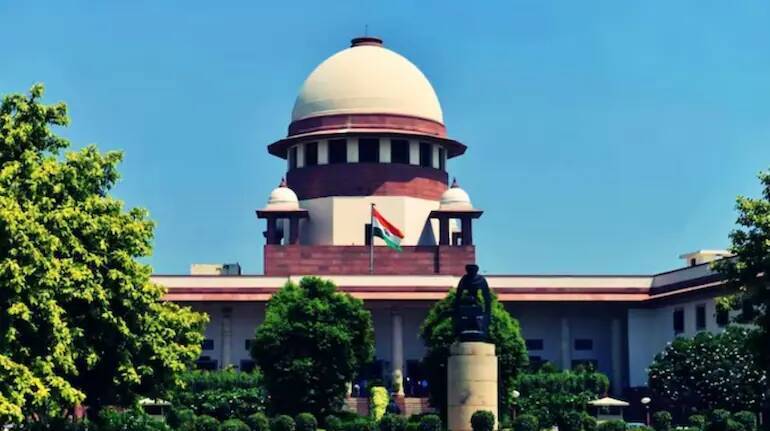
Chance of influencing witnesses after bail in POCSO cases real: SC
The Supreme Court of India has expressed a grave concern regarding the likelihood of evidence tampering or influencing witnesses after the grant of bail in offences involving sexual assault against children, commonly known as POCSO (Protection of Children from Sexual Offences) cases. This concern was raised as the court cancelled the bail granted by the Allahabad High Court to a youth from Shamli in Uttar Pradesh, who was accused of repeated penetrative sexual assault under armed intimidation of a minor.
The Supreme Court’s decision highlights the vulnerability of witnesses and the potential for evidence tampering in POCSO cases, particularly when the accused is granted bail. The court’s observation is significant, as it underscores the need for a cautious approach when dealing with bail applications in such sensitive cases. The likelihood of influencing witnesses or tampering with evidence is a legitimate and grave concern, as it can compromise the integrity of the investigation and the fairness of the trial.
POCSO cases involve the most vulnerable members of our society, and it is essential to ensure that the justice system is equipped to handle these cases with the utmost sensitivity and care. The Supreme Court’s decision emphasizes the importance of protecting the rights of the victims and ensuring that the accused does not influence the investigation or the trial.
In the present case, the Allahabad High Court had granted bail to the accused, which was subsequently challenged by the state government. The Supreme Court, while hearing the appeal, observed that the likelihood of evidence tampering or influencing witnesses was a legitimate concern, particularly in POCSO cases. The court noted that the accused had been charged with serious offences, including repeated penetrative sexual assault under armed intimidation of a minor, and that the grant of bail could potentially compromise the investigation and the trial.
The Supreme Court’s decision is a significant one, as it highlights the need for a careful and nuanced approach when dealing with bail applications in POCSO cases. The court’s observation that the likelihood of evidence tampering or influencing witnesses is a legitimate and grave concern underscores the importance of protecting the integrity of the investigation and the fairness of the trial.
In POCSO cases, the victims are often young and vulnerable, and the accused may have a significant amount of influence or power over them. This can make it difficult for the victims to come forward and testify against the accused, particularly if the accused is granted bail. The Supreme Court’s decision recognizes this reality and emphasizes the need for the justice system to take steps to protect the victims and ensure that they are able to testify freely and without fear of intimidation or influence.
The Supreme Court’s decision is also significant because it highlights the importance of considering the broader social implications of granting bail in POCSO cases. The court’s observation that the likelihood of evidence tampering or influencing witnesses is a legitimate and grave concern underscores the need for the justice system to prioritize the protection of victims and the integrity of the investigation and trial.
In recent years, there has been an increasing awareness of the need to protect the rights of victims in POCSO cases. The Supreme Court’s decision is a significant step in this direction, as it recognizes the vulnerability of victims and the potential for evidence tampering or influencing witnesses. The decision emphasizes the need for a cautious approach when dealing with bail applications in POCSO cases and highlights the importance of protecting the integrity of the investigation and the fairness of the trial.
In conclusion, the Supreme Court’s decision to cancel the bail granted to the accused in a POCSO case highlights the need for a careful and nuanced approach when dealing with bail applications in such cases. The court’s observation that the likelihood of evidence tampering or influencing witnesses is a legitimate and grave concern underscores the importance of protecting the integrity of the investigation and the fairness of the trial. The decision is a significant one, as it recognizes the vulnerability of victims in POCSO cases and the need for the justice system to prioritize their protection and well-being.
About the Author