Chance of influencing witnesses after bail in POCSO cases real: SC
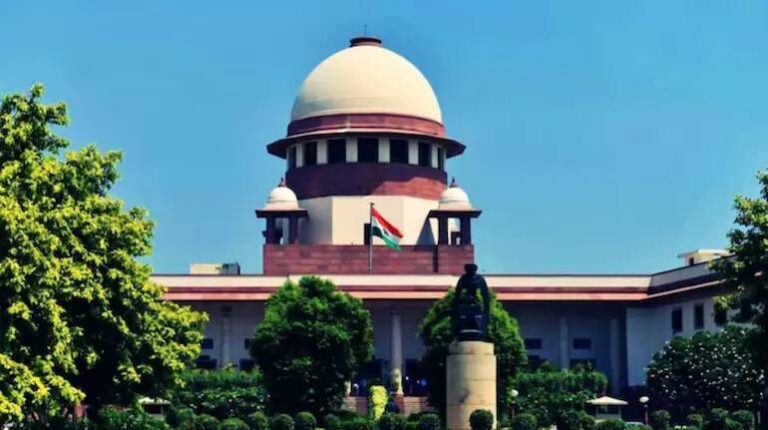
The Supreme Court of India has recently expressed a grave concern regarding the potential for evidence tampering and influencing witnesses in cases involving sexual assault against children, commonly known as POCSO (Protection of Children from Sexual Offences) cases. The court’s statement comes after it cancelled the bail granted by the Allahabad High Court to a youth from Shamli in Uttar Pradesh, accused of repeated penetrative sexual assault under armed intimidation of a minor.
The Supreme Court’s decision highlights the legitimate and serious concerns surrounding the potential for accused individuals to influence witnesses or tamper with evidence after being granted bail in POCSO cases. The court’s ruling emphasizes the need for careful consideration and caution when granting bail in such cases, where the safety and well-being of the victims and witnesses are of paramount importance.
POCSO cases involve some of the most vulnerable members of our society – children. The trauma and distress caused by such heinous crimes can have long-lasting effects on the victims, and it is essential that the justice system prioritizes their protection and safety. The Supreme Court’s concerns about evidence tampering and witness influencing are well-founded, as these factors can significantly impact the outcome of the case and the delivery of justice.
The case in question involves a youth from Shamli in Uttar Pradesh, who was accused of repeated penetrative sexual assault under armed intimidation of a minor. The Allahabad High Court had granted bail to the accused, which was subsequently challenged in the Supreme Court. The apex court, after careful consideration, cancelled the bail, citing the potential for evidence tampering and witness influencing as a legitimate concern.
The Supreme Court’s decision is a significant one, as it highlights the need for a more cautious and considered approach when granting bail in POCSO cases. The court’s ruling emphasizes that the potential for evidence tampering and witness influencing is not just a theoretical concern, but a real and grave one that can have serious consequences for the victims and the justice system as a whole.
The POCSO Act, 2012, is a comprehensive legislation aimed at protecting children from sexual offences. The Act provides for stringent punishments for those found guilty of committing such crimes and also mandates the establishment of special courts for the trial of such cases. However, despite the existence of this legislation, the reality is that POCSO cases continue to pose significant challenges for the justice system.
One of the primary concerns in POCSO cases is the potential for evidence tampering and witness influencing. In many cases, the accused may have significant influence and resources, which can be used to intimidate or coerce witnesses, or to tamper with evidence. This can have serious consequences for the case, as it can compromise the integrity of the evidence and undermine the prosecution’s ability to prove the guilt of the accused.
The Supreme Court’s decision in this case highlights the need for the justice system to be more vigilant and proactive in preventing evidence tampering and witness influencing in POCSO cases. This can be achieved through a range of measures, including the use of special courts, the appointment of special public prosecutors, and the implementation of measures to protect witnesses and prevent evidence tampering.
In conclusion, the Supreme Court’s decision in this case is a significant one, as it highlights the legitimate and grave concerns surrounding the potential for evidence tampering and witness influencing in POCSO cases. The court’s ruling emphasizes the need for a more cautious and considered approach when granting bail in such cases, and the importance of prioritizing the safety and well-being of the victims and witnesses. As we move forward, it is essential that the justice system takes a more proactive and vigilant approach to preventing evidence tampering and witness influencing in POCSO cases, to ensure that justice is delivered to the victims and their families.
About the Author