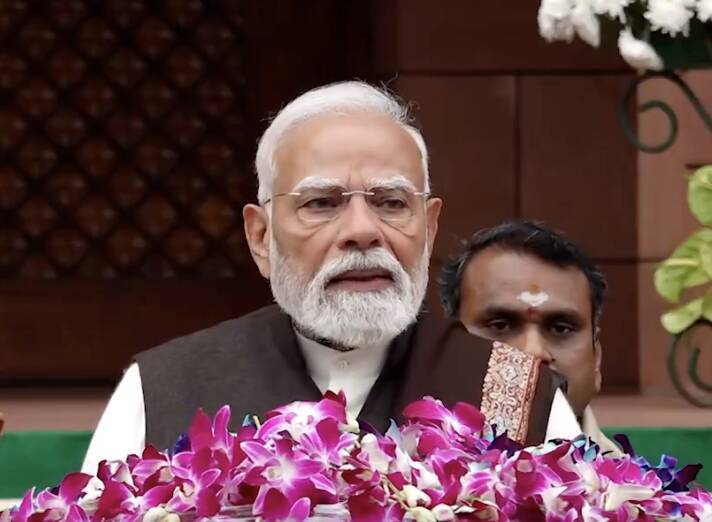
Budget session begins in Parliament, President Murmu notes govt’s achievements
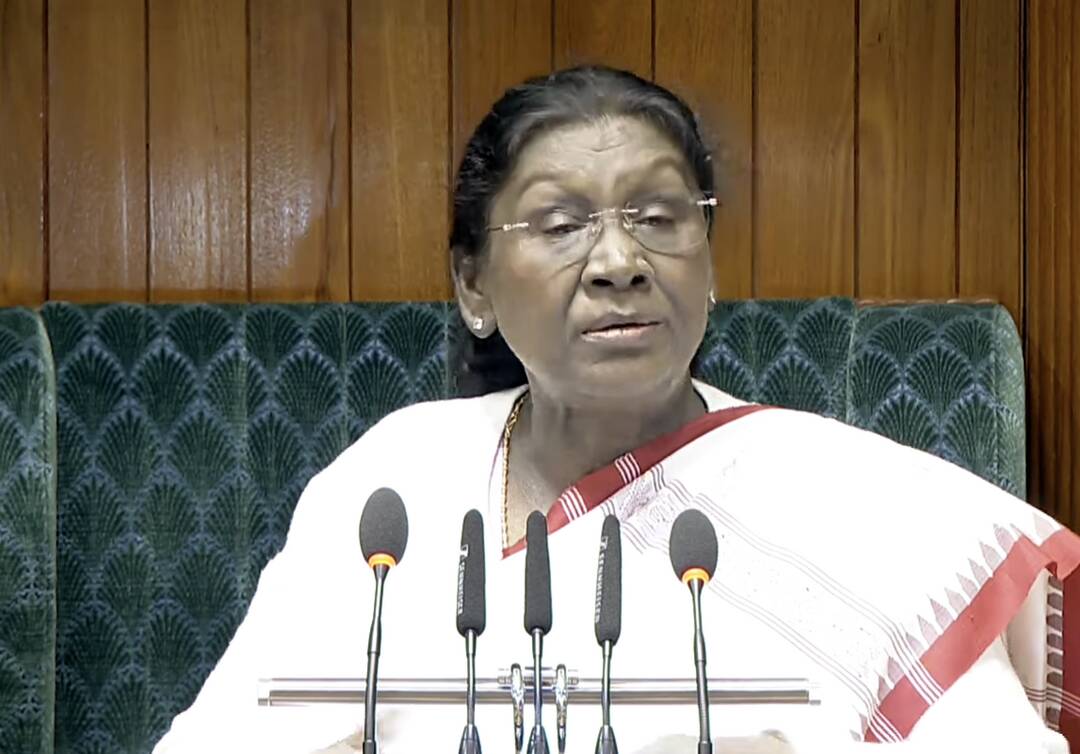
The proceedings of the Budget session for 2026 have officially commenced, marking the beginning of a crucial period in the Indian parliamentary calendar. The session began with a joint sitting of both Lok Sabha and Rajya Sabha members, where President Droupadi Murmu addressed the gathering. In her address, President Murmu highlighted the government’s achievements over the past years, showcasing the progress made in various sectors.
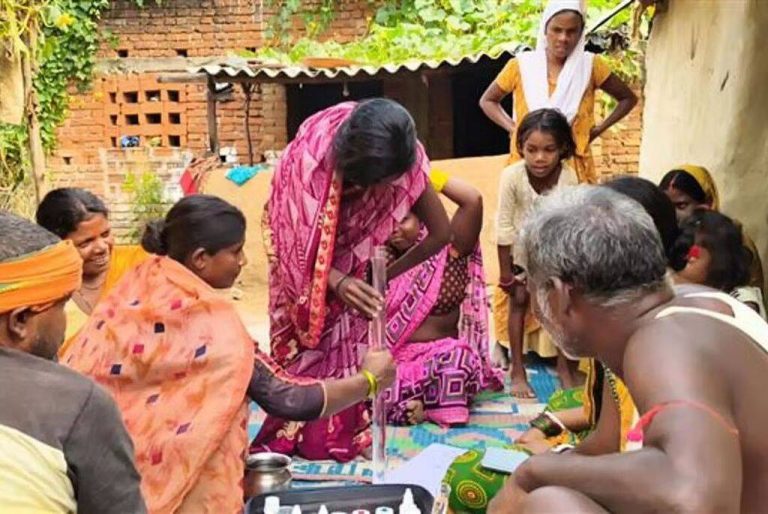
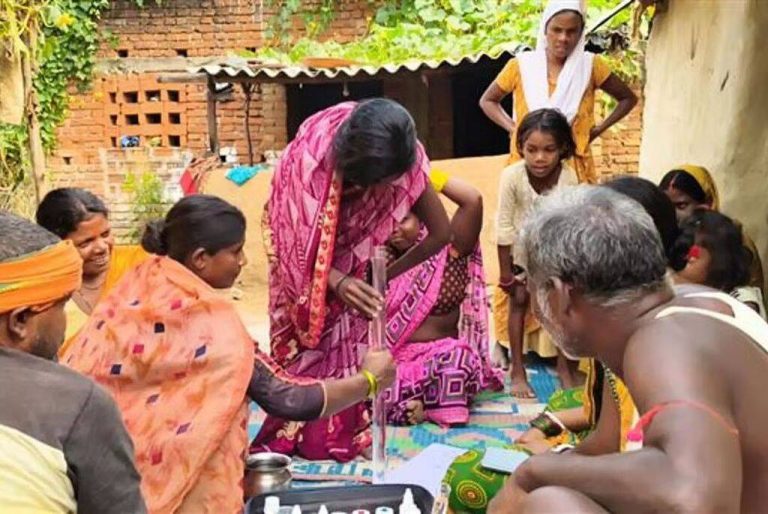
One of the notable achievements mentioned by President Murmu was the significant improvement in road connectivity across the country. She stated that the government has successfully connected every village in India with a paved road, a feat that has greatly enhanced the accessibility and mobility of rural communities. This achievement is a testament to the government’s commitment to bridging the rural-urban divide and promoting inclusive development.
Another area where the government has made notable progress is in the field of electric vehicle (EV) manufacturing. President Murmu announced that India has begun exporting EVs to other countries, a development that underscores the country’s growing capabilities in the automotive sector. This achievement is not only a reflection of India’s industrial prowess but also a step towards reducing the country’s carbon footprint and promoting sustainable development.
The Budget session is expected to be a busy and eventful period, with several key legislative and financial agendas on the table. The session will move to the presentation of the Economic Survey on Thursday, which will provide a comprehensive overview of the country’s economic performance and outlook. The Economic Survey is a crucial document that provides policymakers and stakeholders with valuable insights into the state of the economy and informs the budget-making process.
The Budget session will also see the introduction of several key bills, including those related to electoral reforms, labor laws, and education policy. The opposition parties are expected to raise several key issues, including the implementation of the Mahatma Gandhi National Rural Employment Guarantee Act (MGNREGA) and the need for electoral reforms. The session is expected to be marked by intense debates and discussions, with both the government and opposition parties seeking to assert their positions and influence the legislative agenda.
The commencement of the Budget session marks an important milestone in the Indian democratic process. The session provides an opportunity for lawmakers to engage in constructive debates, discuss key policy issues, and hold the government accountable for its actions. As the session progresses, it will be interesting to see how the government and opposition parties navigate the complex web of legislative and political priorities.
The Budget session is also a critical period for the government, as it seeks to push through its legislative agenda and secure parliamentary approval for key policies and programs. The government will need to balance its own priorities with the demands and expectations of the opposition parties, while also addressing the concerns and aspirations of various stakeholders, including citizens, businesses, and civil society organizations.
In conclusion, the Budget session of the Indian Parliament has begun, and President Murmu’s address has set the tone for the proceedings. The government’s achievements in areas such as road connectivity and EV exports are a testament to its commitment to development and progress. As the session unfolds, it will be important to watch how the government and opposition parties engage with each other, and how the legislative agenda takes shape.
The Budget session is a critical period in the Indian parliamentary calendar, and its outcome will have significant implications for the country’s development trajectory. As the session progresses, we can expect intense debates, discussions, and negotiations, all of which will shape the course of India’s future.
About the Author