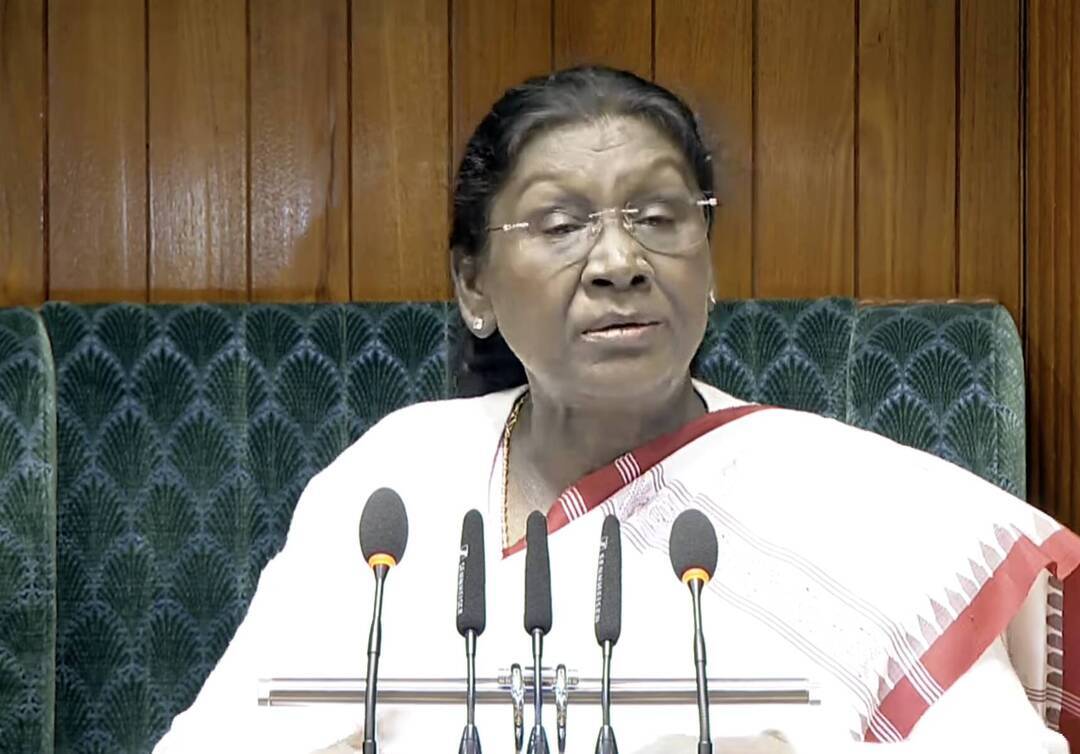
Budget session begins in Parliament, President Murmu notes govt’s achievements
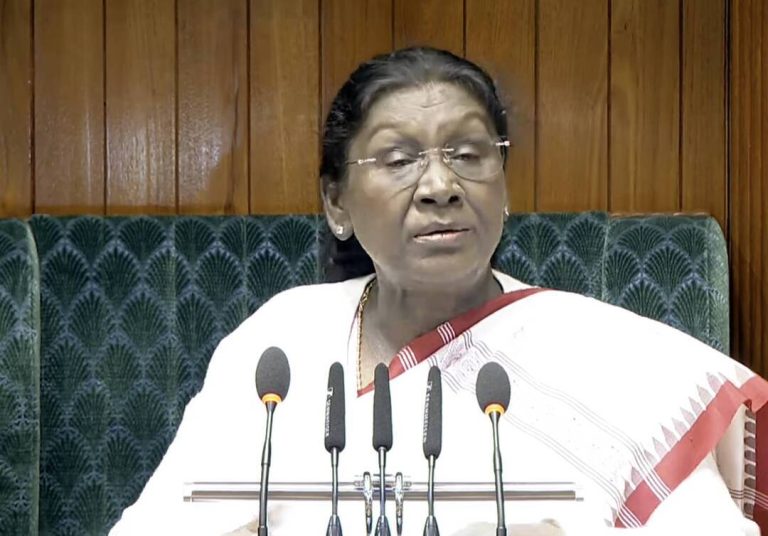
The proceedings of the Budget session for 2026 have begun in earnest, marked by a joint sitting of both Lok Sabha and Rajya Sabha members, where President Droupadi Murmu addressed the gathering. This significant event sets the stage for a series of discussions, debates, and policy announcements that will shape the country’s economic and social landscape for the year ahead. President Murmu’s address highlighted the government’s achievements over the past years, underscoring key milestones such as the establishment of road connectivity with every village and India’s emergence as an exporter of electric vehicles (EVs).
The President’s speech, which is a traditional precursor to the Budget session, outlined the government’s vision and its accomplishments. It emphasized the efforts made to enhance the country’s infrastructure, promote indigenous industries, and foster economic growth. The mention of road connectivity with every village is particularly noteworthy, as it signifies a crucial step towards ensuring that all parts of the country are integrated into the national development narrative. This initiative not only facilitates the movement of goods and services but also opens up opportunities for rural development and employment.
Furthermore, the fact that India has started exporting electric vehicles marks a significant milestone in the country’s journey towards becoming a major player in the global automotive industry. This development is a testament to India’s manufacturing capabilities and its potential to lead in the production of environmentally friendly vehicles. The EV sector is not only crucial for reducing carbon emissions and mitigating climate change but also presents vast opportunities for innovation, employment, and economic growth.
The Budget session, which commenced with President Murmu’s address, is expected to be eventful, with several key discussions and announcements on the anvil. One of the immediate next steps will be the presentation of the Economic Survey on Thursday. The Economic Survey is a comprehensive document that provides an overview of the country’s economic performance and outlines the challenges and opportunities that lie ahead. It serves as a precursor to the Union Budget, which will be presented subsequently, detailing the government’s expenditure and revenue plans for the upcoming fiscal year.
The Economic Survey is eagerly anticipated as it will offer insights into the government’s policy priorities, its assessment of the current economic situation, and its strategy for addressing prevailing challenges such as inflation, unemployment, and slowing growth. Given the global economic uncertainties and the domestic challenges, the Survey’s recommendations and projections will be closely watched by policymakers, industries, and the general public alike.
In addition to the Economic Survey and the Budget, the session is also expected to witness heated debates and discussions on various legislative proposals and policy initiatives. The opposition parties have already indicated their intention to raise several issues, including the implementation of the Mahatma Gandhi National Rural Employment Guarantee Act (MGNREGA) and the need for electoral reforms. These discussions will not only reflect the divergent views within the Parliament but also highlight the government’s responsiveness to public concerns and its willingness to engage in constructive dialogue.
The Budget session of 2026, therefore, promises to be a critical period for policymaking and governance in India. With the government seeking to build on its past achievements and address the emerging challenges, the session’s outcomes will have far-reaching implications for the country’s development trajectory. As the Parliament delves into the intricacies of economic policy, legislative reforms, and social welfare initiatives, the nation will watch with keen interest, hoping for outcomes that reflect the aspirations and needs of its diverse population.
In conclusion, the commencement of the Budget session with President Murmu’s address has set the tone for a productive and engaging period of parliamentary deliberations. The highlights of the government’s achievements, the presentation of the Economic Survey, and the discussions on key policy issues will together contribute to a comprehensive and inclusive approach to governance. As India navigates the complexities of the 21st century, the decisions made during this session will play a pivotal role in shaping its future.
About the Author