Bengaluru to feed and shelter 500 stray dogs at ₹1.83 cr annually
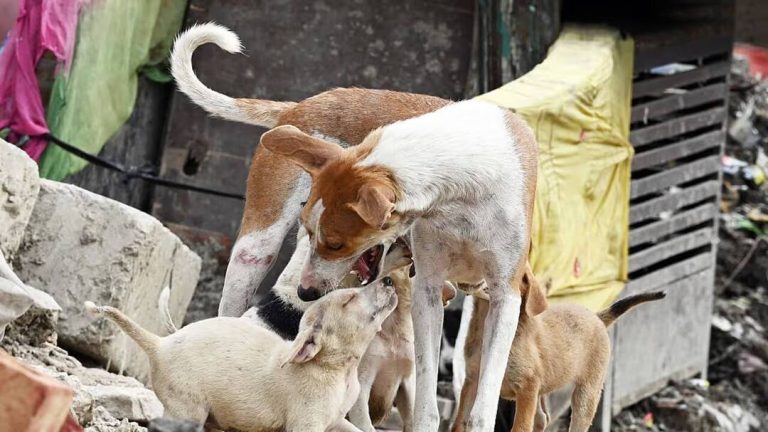
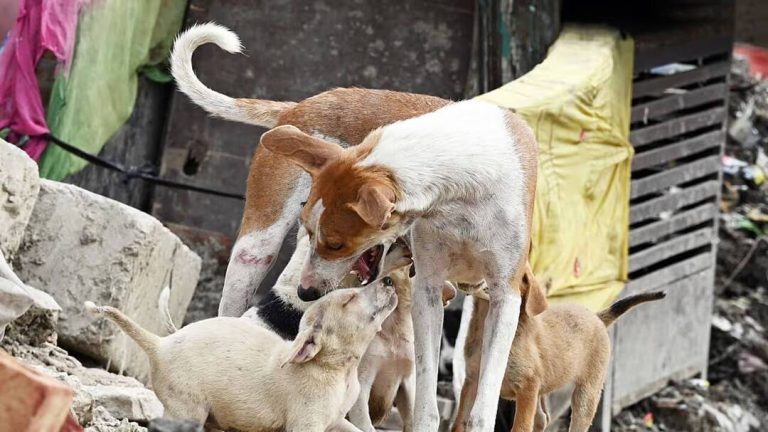
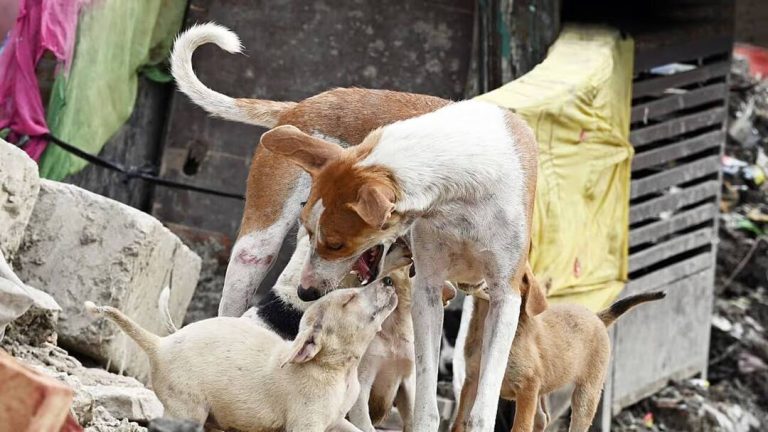
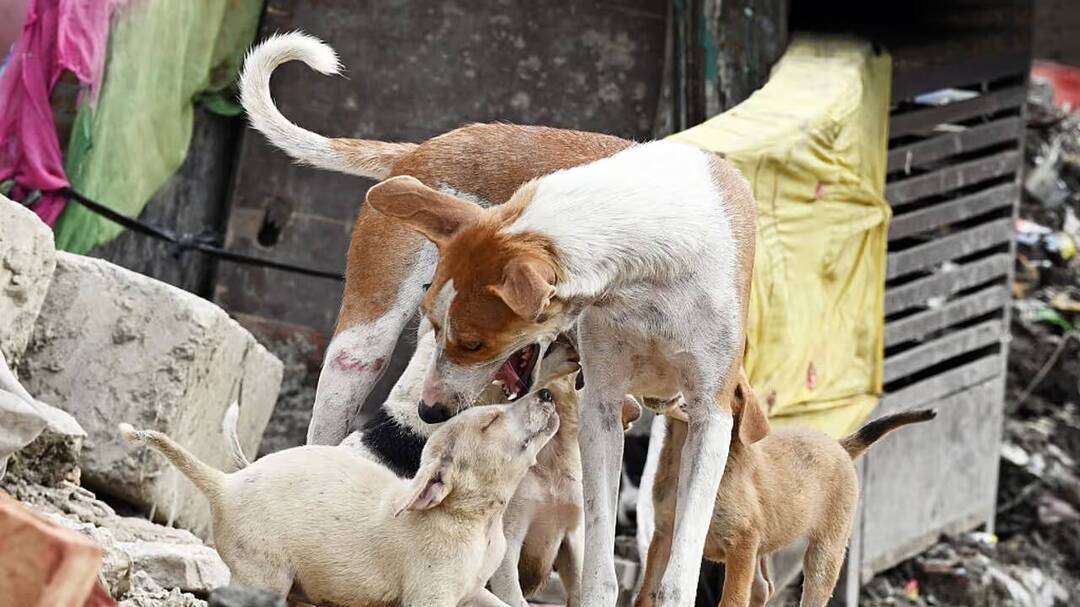
In a compassionate move, the Bengaluru South City Corporation has announced plans to spend ₹1.83 crore annually to feed and shelter 500 stray dogs in the city. This initiative is part of the civic body’s efforts to manage the stray dog population in a humane and sustainable manner. The project includes providing chicken rice twice daily, safe housing, and veterinary care to the canine residents of Bengaluru.
The decision to allocate a significant budget for stray dog management reflects the civic body’s commitment to animal welfare and public health. Stray dogs are often seen as a nuisance, but they also play a crucial role in maintaining the ecosystem. By providing them with food, shelter, and medical care, the Bengaluru South City Corporation aims to reduce the number of stray dogs on the streets and prevent the spread of diseases.
The project will be implemented at S Bingipura, where a dedicated facility will be set up to house the 500 stray dogs. The dogs will be provided with chicken rice twice daily, which will be sourced from local suppliers. The civic body has invited tenders for the project, and the costs will cover not only food but also staff salaries, medicines, and maintenance of the facility.
The allocation of ₹1.83 crore annually is a significant investment in stray dog management, and it is expected to have a positive impact on the city’s animal population. The project will not only improve the living conditions of the stray dogs but also reduce the risk of dog bites and other public health concerns.
The civic body’s focus on humane stray dog management is a welcome move, and it is in line with international best practices. Many cities around the world have implemented similar programs, which have shown significant reductions in stray dog populations and improvements in public health.
In addition to providing food and shelter, the project will also include veterinary care for the stray dogs. This will ensure that the dogs receive regular medical check-ups and are vaccinated against diseases such as rabies. The civic body will also work with local animal welfare organizations to rescue and rehabilitate stray dogs, and to promote adoption and sterilization programs.
The implementation of this project is a complex task, and it will require coordination between multiple stakeholders, including the civic body, local animal welfare organizations, and the community. The civic body will need to ensure that the facility is well-maintained, and that the dogs receive proper care and attention.
The community also has a crucial role to play in the success of this project. Residents can support the initiative by donating food, volunteering their time, and spreading awareness about the importance of animal welfare. By working together, the civic body and the community can make a significant difference in the lives of stray dogs in Bengaluru.
In conclusion, the Bengaluru South City Corporation’s decision to spend ₹1.83 crore annually to feed and shelter 500 stray dogs is a commendable move. The project reflects the civic body’s commitment to animal welfare and public health, and it is expected to have a positive impact on the city’s animal population. By providing food, shelter, and veterinary care to stray dogs, the civic body is taking a significant step towards managing the stray dog population in a humane and sustainable manner.
About the Author