Bengaluru to feed and shelter 500 stray dogs at ₹1.83 cr annually
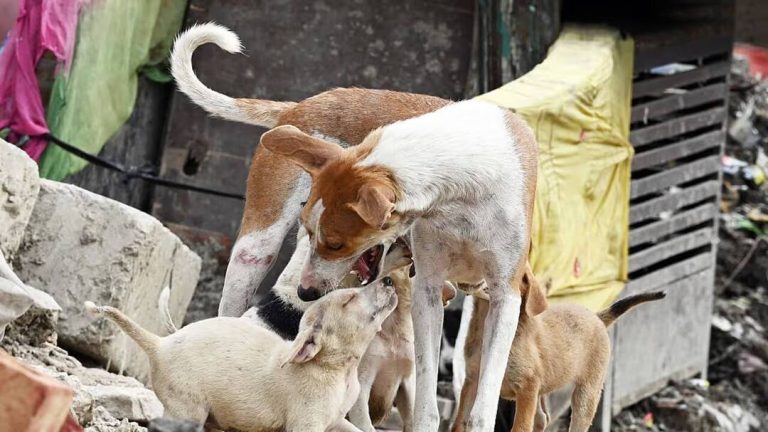
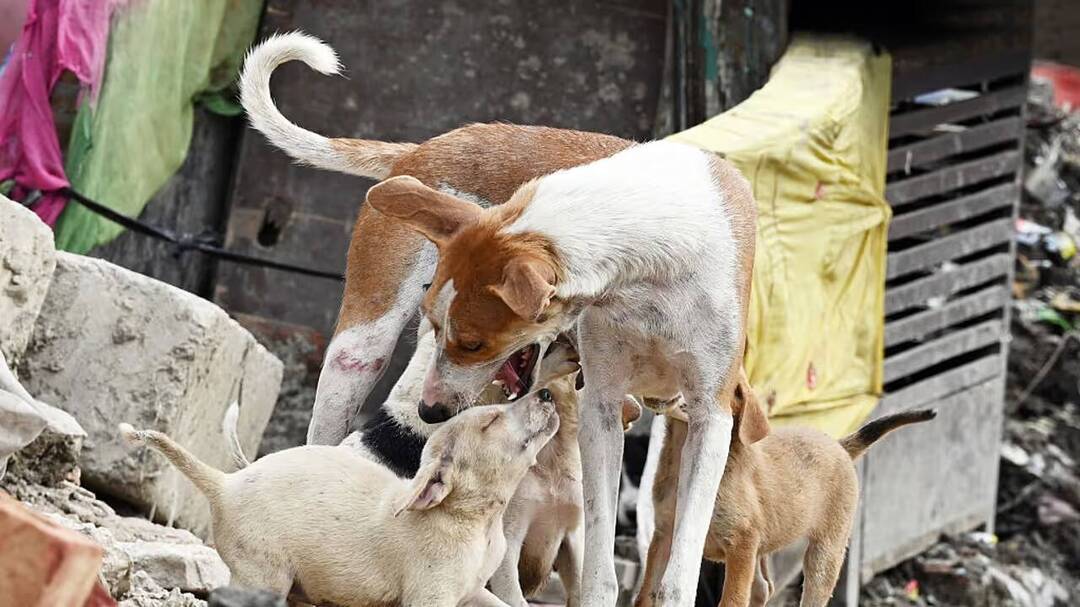
The city of Bengaluru, known for its vibrant culture and rapid growth, is taking a significant step towards animal welfare. The Bengaluru South City Corporation has announced a plan to spend ₹1.83 crore annually to feed and shelter 500 stray dogs. This initiative is a testament to the civic body’s commitment to humane stray dog management and reflects the city’s growing concern for animal welfare.
The project, which has been making headlines, includes providing chicken rice twice daily to the stray dogs, ensuring they receive nutritious meals to maintain their health. In addition to food, the dogs will also be provided with safe housing at S Bingipura, a facility that will offer them a secure and comfortable place to rest. The civic body has also planned to provide veterinary care to the dogs, ensuring that they receive medical attention when needed.
The tender for the project has been invited, and the costs will cover not only food but also staff salaries, medicines, and maintenance of the facility. This comprehensive approach to stray dog management is a significant step forward for the city, which has long grappled with the issue of stray dogs roaming the streets.
The decision to spend ₹1.83 crore annually on stray dog management may raise some eyebrows, but it is essential to consider the benefits of such an initiative. Firstly, it will help reduce the number of stray dogs on the streets, which can be a menace to pedestrians and vehicular traffic. Secondly, it will ensure that the dogs receive proper care and nutrition, reducing the risk of diseases and improving their overall health.
Moreover, this initiative will also help to promote a culture of compassion and empathy towards animals in the city. By taking care of stray dogs, the civic body is setting an example for citizens to follow, encouraging them to be more responsible and caring towards animals.
The focus on humane stray dog management is also in line with the Animal Welfare Board of India’s guidelines, which emphasize the need for a compassionate and non-violent approach to managing stray dog populations. The board recommends that municipal corporations and local authorities take a proactive role in providing food, shelter, and medical care to stray dogs, rather than resorting to inhumane methods such as culling or relocation.
Bengaluru’s initiative is not an isolated example of stray dog management. Other cities in India, such as Chennai and Mumbai, have also implemented similar programs to manage their stray dog populations. These programs have shown promising results, with significant reductions in dog bites and improvements in public health.
However, the success of such initiatives depends on the active participation of citizens and the effectiveness of implementation. It is essential for the civic body to ensure that the funds allocated for the project are utilized efficiently and that the services provided are of high quality.
In conclusion, the Bengaluru South City Corporation’s decision to spend ₹1.83 crore annually to feed and shelter 500 stray dogs is a commendable step towards humane stray dog management. The project’s focus on providing nutritious food, safe housing, and veterinary care reflects the civic body’s commitment to animal welfare and sets an example for other cities to follow. As the city moves forward with this initiative, it is essential for citizens to be aware of the importance of stray dog management and to support the efforts of the civic body in making Bengaluru a more compassionate and animal-friendly city.
About the Author