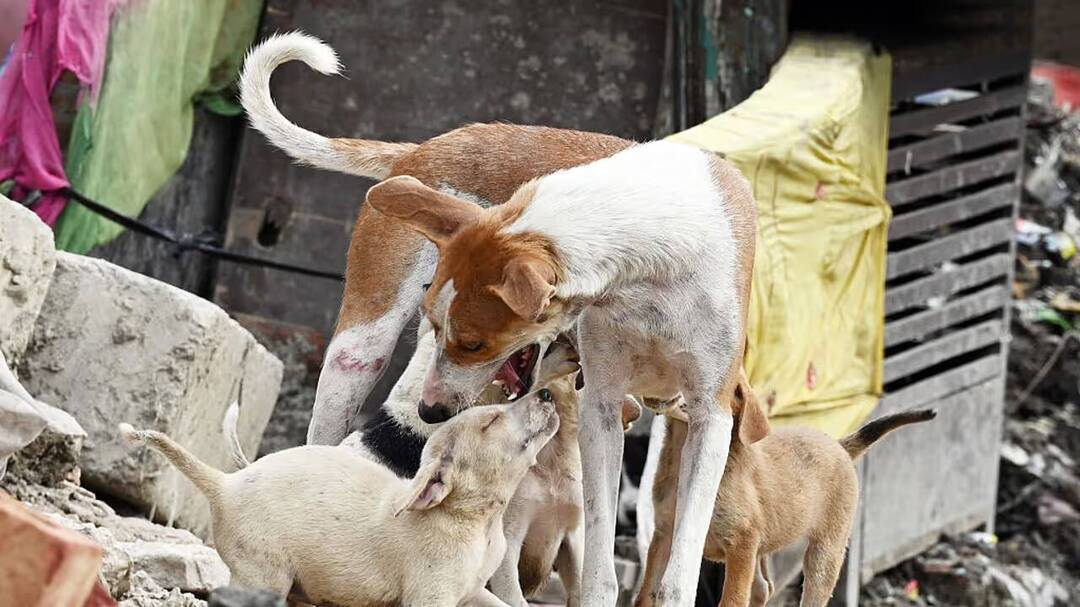
Bengaluru to feed and shelter 500 stray dogs at ₹1.83 cr annually
In a heartwarming move, the Bengaluru South City Corporation has announced plans to spend ₹1.83 crore annually to feed and shelter 500 stray dogs in the city. This initiative is part of the civic body’s efforts to manage stray dog populations in a humane and compassionate manner. The project aims to provide a safe and healthy environment for these canine companions, and it’s a significant step forward in promoting animal welfare in the city.
The project includes providing chicken rice twice daily to the stray dogs, ensuring they receive nutritious meals to stay healthy. In addition to food, the dogs will also be provided with safe housing at S Bingipura, where they will be protected from the elements and other dangers. Veterinary care will also be made available to the dogs, ensuring they receive medical attention whenever needed. This comprehensive approach to stray dog management is a notable example of the civic body’s commitment to animal welfare.
To implement this project, the Bengaluru South City Corporation has invited tenders, which will cover the costs of food, staff salaries, medicines, and maintenance. The tender process will ensure that the project is executed efficiently and effectively, with the best possible services provided to the stray dogs. The civic body’s decision to spend ₹1.83 crore annually on this project reflects its focus on humane stray dog management, prioritizing the well-being and safety of these animals.
This initiative is a significant departure from traditional methods of stray dog management, which often involve inhumane practices such as culling or relocation. Instead, the Bengaluru South City Corporation is adopting a more compassionate approach, recognizing the importance of treating stray dogs with kindness and respect. By providing food, shelter, and veterinary care, the civic body is ensuring that these animals receive the care and attention they deserve.
The project is also expected to have a positive impact on the community, promoting a culture of compassion and empathy towards animals. By demonstrating its commitment to animal welfare, the Bengaluru South City Corporation is setting an example for other civic bodies to follow. This initiative has the potential to inspire similar projects in other cities, contributing to a more humane and compassionate society.
In recent years, there has been a growing awareness of the need for humane stray dog management in Indian cities. Stray dogs are an integral part of urban ecosystems, and their presence can have significant impacts on public health and safety. However, traditional methods of managing stray dog populations have often been inhumane and ineffective, leading to widespread criticism and controversy.
In response to these concerns, many cities have begun to adopt more humane approaches to stray dog management, focusing on sterilization, vaccination, and rehabilitation. These approaches prioritize the welfare of the animals, recognizing that stray dogs are not pests to be eliminated, but rather living beings that deserve our care and compassion.
The Bengaluru South City Corporation’s decision to spend ₹1.83 crore annually on feeding and sheltering stray dogs is a significant step forward in this direction. By prioritizing animal welfare and adopting a humane approach to stray dog management, the civic body is demonstrating its commitment to creating a more compassionate and sustainable urban environment.
In conclusion, the Bengaluru South City Corporation’s initiative to feed and shelter 500 stray dogs at ₹1.83 crore annually is a heartwarming example of the civic body’s focus on humane stray dog management. By providing food, shelter, and veterinary care to these animals, the project aims to promote a culture of compassion and empathy towards animals, while also ensuring the well-being and safety of the stray dog population. This initiative has the potential to inspire similar projects in other cities, contributing to a more humane and sustainable urban environment.
About the Author