405 Air Purifiers Bought for Ministers, VVIP Lounges in 4 Years: Govt
In a recent revelation, the Indian government has disclosed that a total of 405 air purifiers have been procured for various government offices, VVIP lounges, courtrooms, Supreme Court judges, ministers, and other high-ranking officials over the past four years. This information was shared by Housing and Urban Affairs Minister of State Tokhan Sahu in the Lok Sabha on Thursday. The air purifiers, which were purchased through the government’s online procurement portal, ranged in price from ₹15,000 to ₹1.50 lakh per unit.
The procurement of air purifiers is a significant step towards improving the indoor air quality in government offices and other areas where high-ranking officials and dignitaries spend a considerable amount of time. The move is particularly noteworthy given the alarming levels of air pollution in many Indian cities, which has become a major public health concern in recent years. The government’s decision to invest in air purifiers demonstrates its commitment to providing a healthy and safe working environment for its officials and employees.
The Central Public Works Department (CPWD), which is responsible for the maintenance and upkeep of government buildings, has been at the forefront of this initiative. The department has been working tirelessly to ensure that all government offices and buildings are equipped with modern amenities, including air purifiers, to improve the overall working conditions. The procurement of 405 air purifiers is a testament to the CPWD’s efforts to prioritize the health and well-being of government officials and employees.
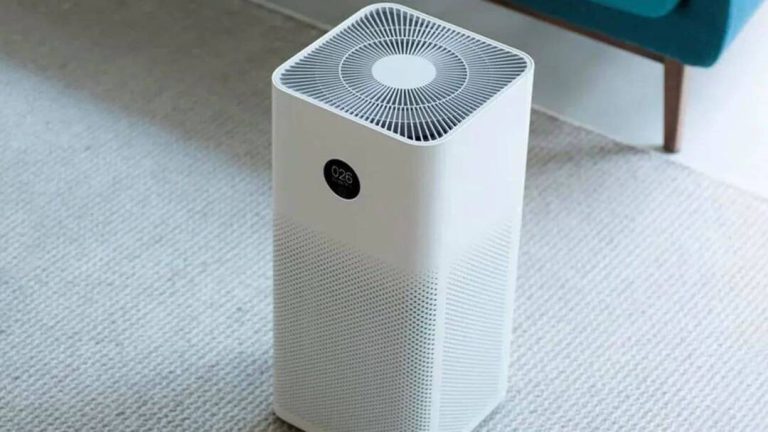
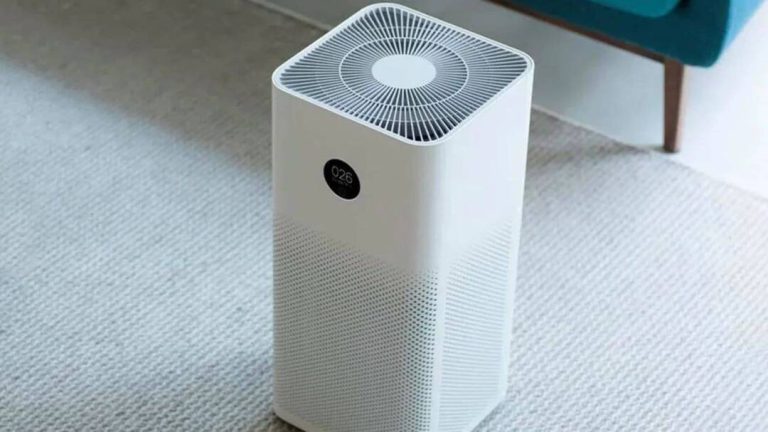
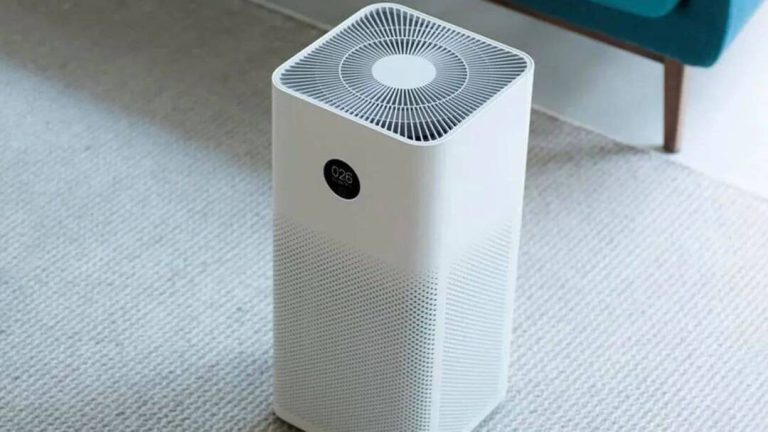
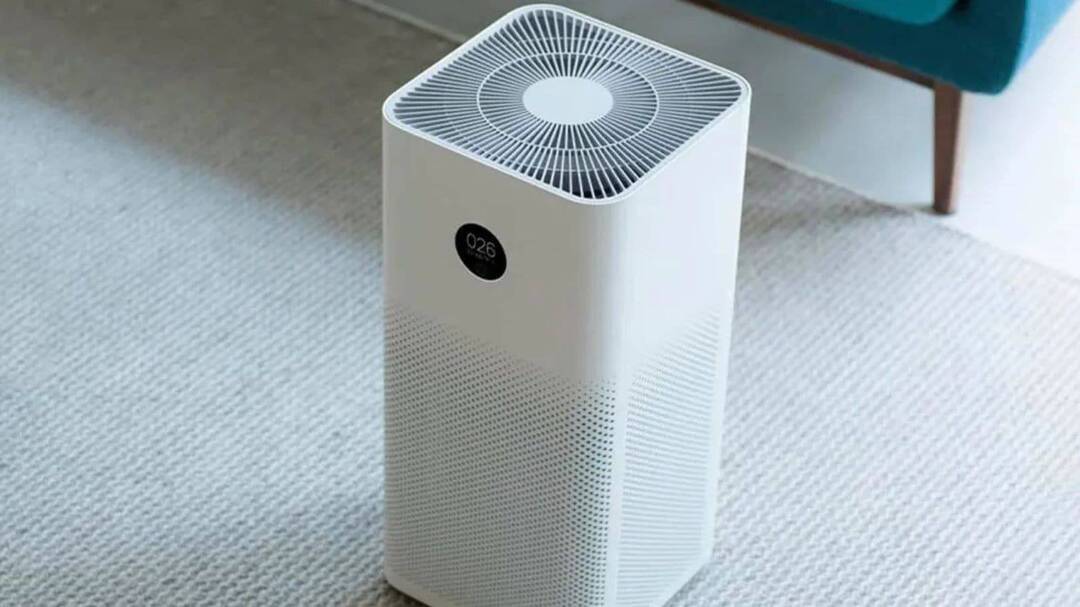
The air purifiers purchased by the government are designed to remove pollutants and particulate matter from the air, improving the overall indoor air quality. These devices are equipped with advanced filtration systems, including HEPA filters, which can capture up to 99.97% of particles as small as 0.3 microns. This includes pollutants such as PM2.5, PM10, and other harmful gases, which are known to cause respiratory problems and other health issues.
The government’s decision to invest in air purifiers has been welcomed by many, who see it as a positive step towards addressing the issue of air pollution. However, some have raised questions about the effectiveness of these devices in improving indoor air quality. While air purifiers can certainly help to remove pollutants from the air, they are not a substitute for proper ventilation and air quality management.
In addition to the procurement of air purifiers, the government has also been taking other steps to address the issue of air pollution. These include the implementation of policies to reduce emissions from vehicles and industries, as well as initiatives to promote the use of clean energy and sustainable practices. The government has also been working to raise awareness about the importance of air quality and the need for individuals to take steps to protect themselves from the harmful effects of pollution.
The procurement of air purifiers is also significant in the context of the COVID-19 pandemic, which has highlighted the importance of indoor air quality in preventing the spread of infectious diseases. The use of air purifiers can help to reduce the transmission of airborne pathogens, including the coronavirus, by removing them from the air. This is particularly important in areas where people are likely to be in close proximity to each other, such as government offices and public buildings.
In conclusion, the government’s decision to procure 405 air purifiers for government offices, VVIP lounges, and other areas is a welcome step towards improving indoor air quality and promoting the health and well-being of its officials and employees. While there is still much work to be done to address the issue of air pollution, this initiative demonstrates the government’s commitment to providing a safe and healthy working environment. As the government continues to work towards improving air quality, it is essential that individuals also take steps to protect themselves from the harmful effects of pollution.
About the Author