405 Air Purifiers Bought for Ministers, VVIP Lounges in 4 Years: Govt
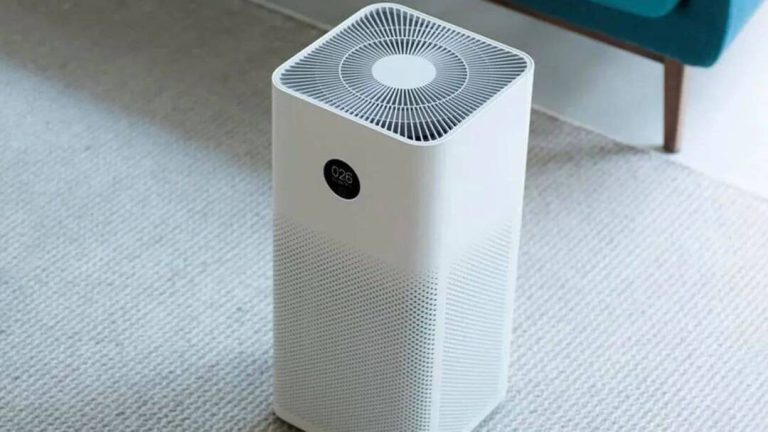
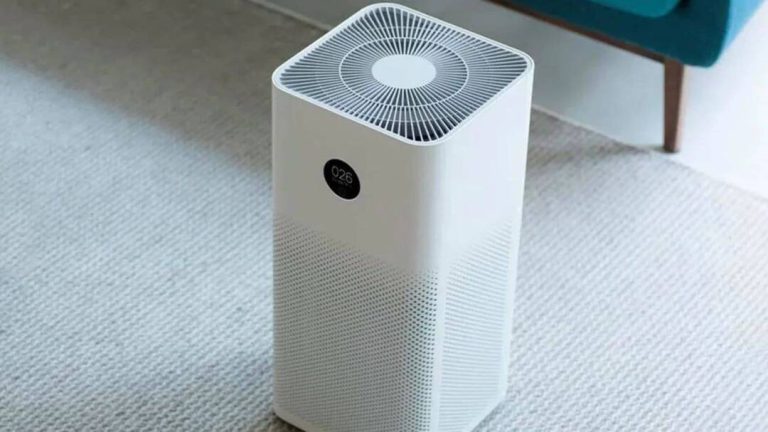
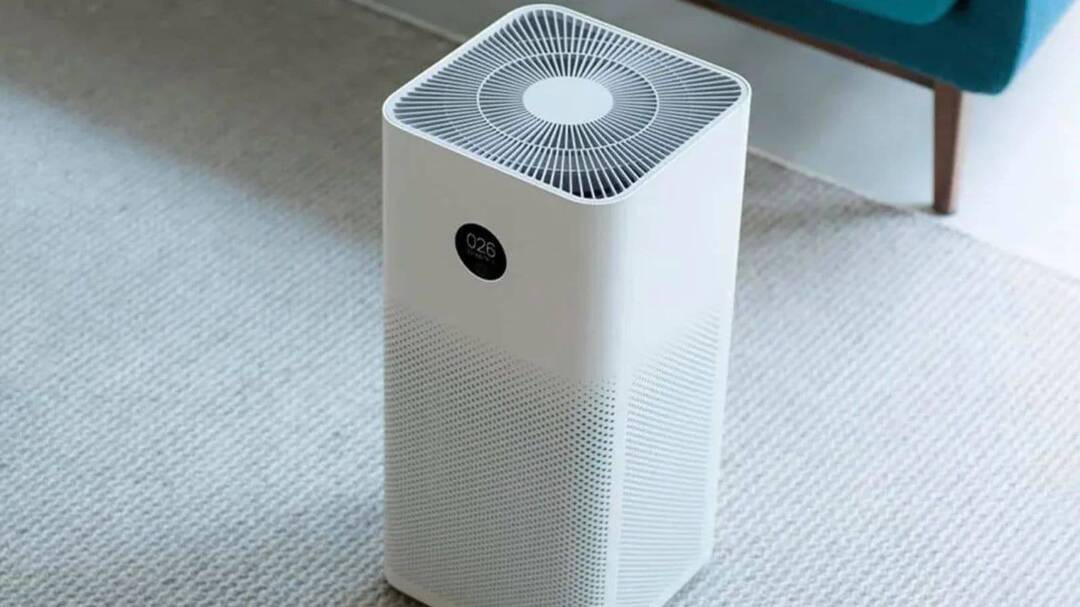
In a recent revelation, the Government of India has disclosed that a total of 405 air purifiers have been procured for various government offices, VVIP lounges, courtrooms, and even for the Supreme Court judges and ministers over the past four years. This information was shared by Housing and Urban Affairs Minister of State, Tokhan Sahu, in a statement to the Lok Sabha on Thursday. The air purifiers, which were purchased through the government’s online procurement portal, ranged in price from ₹15,000 to ₹1.50 lakh per unit.
The procurement of such a large number of air purifiers highlights the growing concern about air pollution in the country, particularly in the national capital, Delhi. The government’s decision to invest in air purifiers for its offices and VIP areas suggests that it is taking steps to ensure a healthier environment for its officials and dignitaries. However, this move also raises questions about the government’s priorities and whether it is doing enough to address the broader issue of air pollution that affects the general public.
The purchase of air purifiers for government offices and VVIP lounges is not surprising, given the high levels of air pollution in these areas. Delhi, in particular, has been struggling with severe air pollution for several years, with particulate matter (PM) levels often exceeding safe limits. The situation is especially bad during the winter months when pollution from stubble burning, vehicle emissions, and industrial activities combines to create a toxic haze over the city.
The government’s decision to procure air purifiers for its offices and VIP areas may be seen as a proactive step to protect the health of its officials and dignitaries. However, it also highlights the disparities in the way the government approaches the issue of air pollution. While the government is taking steps to ensure a healthier environment for its officials, the general public is often left to fend for itself.
The cost of the air purifiers, which ranged from ₹15,000 to ₹1.50 lakh per unit, is also significant. The total cost of the 405 air purifiers would be approximately ₹6.07 crore to ₹60.75 crore, depending on the average price paid per unit. While this may seem like a significant investment, it is a drop in the ocean compared to the overall budget of the government.
Moreover, the fact that the air purifiers were purchased through the government’s online procurement portal suggests that the process was transparent and followed established protocols. However, it also raises questions about the tendering process and whether the government got the best value for its money.
The procurement of air purifiers for the Supreme Court judges and ministers is also significant. The Supreme Court has been at the forefront of the battle against air pollution, and its judges have been vocal about the need for urgent action to address the issue. The fact that the government has provided air purifiers for the judges’ chambers and offices suggests that it is taking their health and well-being seriously.
In addition to the air purifiers, the government has also taken other steps to address the issue of air pollution. The Ministry of Environment, Forest and Climate Change has launched several initiatives, including the National Clean Air Programme (NCAP), which aims to reduce particulate matter levels in 102 cities across the country. The government has also introduced policies to promote the use of electric vehicles, increase the use of biofuels, and reduce industrial emissions.
However, despite these efforts, the problem of air pollution persists. The government needs to do more to address the root causes of the problem, including the lack of effective waste management, the reliance on fossil fuels, and the absence of stringent emissions norms. The procurement of air purifiers for government offices and VIP areas is a temporary solution that does not address the broader issue of air pollution.
In conclusion, the procurement of 405 air purifiers for government offices, VVIP lounges, courtrooms, and Supreme Court judges and ministers over the past four years highlights the growing concern about air pollution in the country. While the government’s decision to invest in air purifiers for its offices and VIP areas may be seen as a proactive step to protect the health of its officials and dignitaries, it also raises questions about the government’s priorities and whether it is doing enough to address the broader issue of air pollution that affects the general public.
The government needs to take a more comprehensive approach to addressing the issue of air pollution, including increasing investment in clean energy, promoting the use of electric vehicles, and implementing stringent emissions norms. The procurement of air purifiers is just a small step in the right direction, and the government needs to do more to ensure a healthier environment for all citizens.
About the Author