405 Air Purifiers Bought for Ministers, VVIP Lounges in 4 Years: Govt
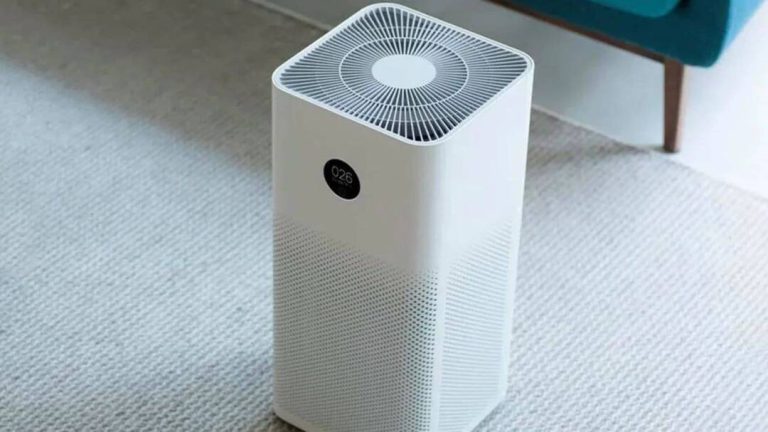
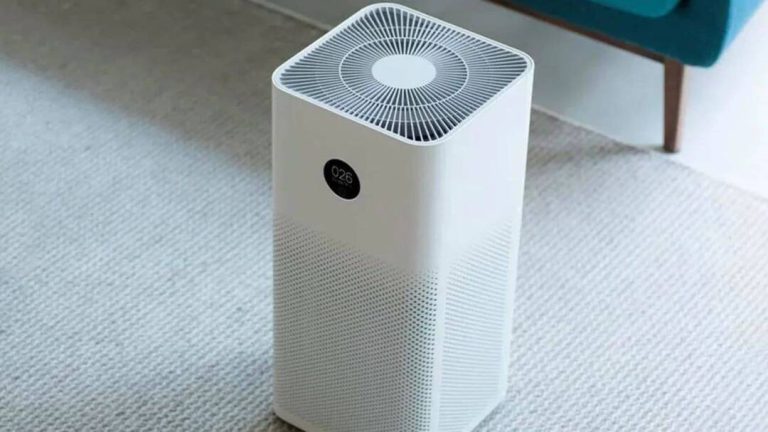
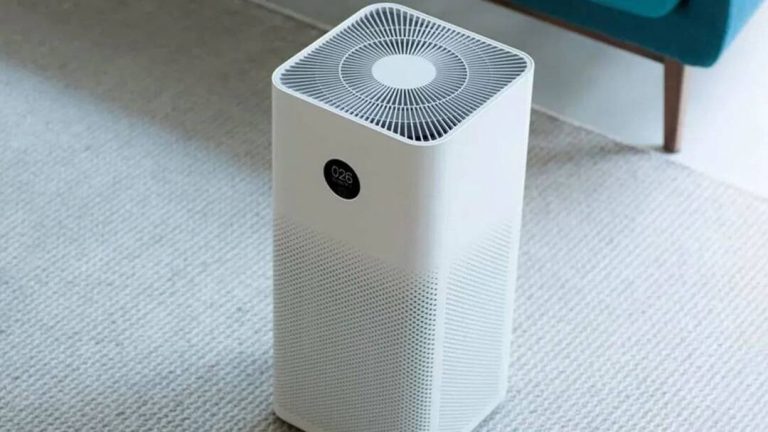
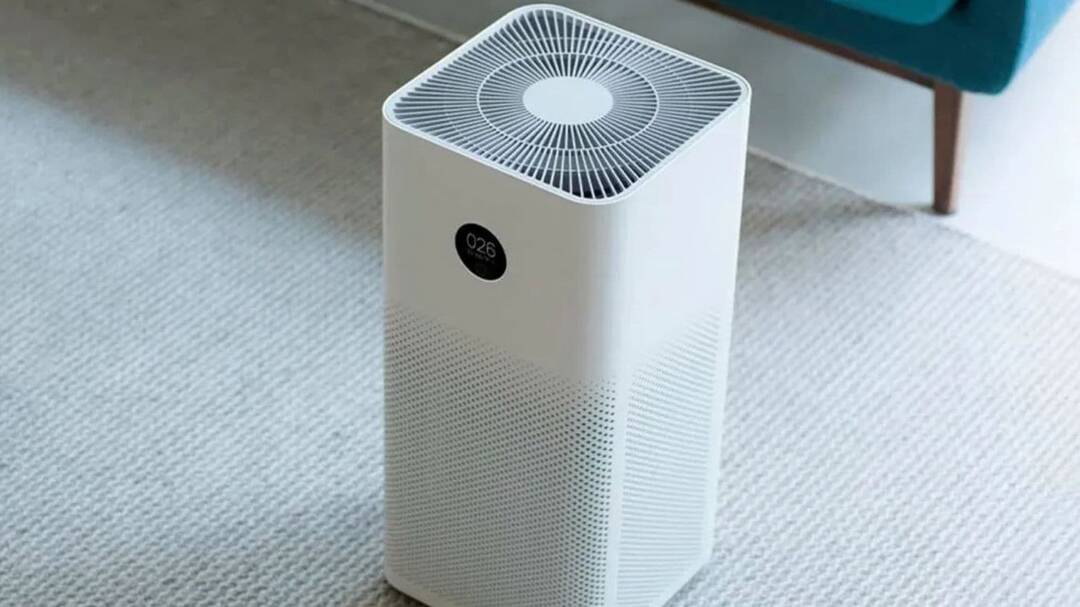
In a recent revelation, the Government of India has disclosed that a total of 405 air purifiers have been procured for various government offices, VVIP lounges, courtrooms, and even for the residences of Supreme Court judges and ministers over the past four years. This information was shared by the Housing and Urban Affairs Minister of State, Tokhan Sahu, in a response to a query in the Lok Sabha on Thursday.
The air purifiers, which were purchased through the government’s online procurement portal, ranged in price from ₹15,000 to ₹1.50 lakh per unit. The procurement of these air purifiers was carried out by the Central Public Works Department (CPWD), which is responsible for the construction and maintenance of government buildings and infrastructure.
The move to purchase air purifiers for government offices and VVIP lounges is seen as a step towards improving the indoor air quality in these spaces. Air pollution has become a major concern in India, with many cities struggling to cope with hazardous levels of particulate matter and other pollutants in the air. The government’s decision to procure air purifiers is likely aimed at providing a healthier environment for ministers, judges, and other officials who spend a significant amount of time in these spaces.
The procurement of air purifiers is also significant in the context of the COVID-19 pandemic, which has highlighted the importance of indoor air quality in preventing the spread of infectious diseases. Air purifiers can help remove airborne pathogens, including viruses and bacteria, from the air, thereby reducing the risk of transmission.
The CPWD’s procurement of air purifiers is not limited to government offices and VVIP lounges. The department has also purchased air purifiers for courtrooms and the residences of Supreme Court judges. This move is seen as a step towards ensuring that the judiciary, which plays a critical role in upholding the rule of law, is able to function in a healthy and safe environment.
The use of air purifiers in government offices and VVIP lounges is also likely to have a positive impact on the productivity and well-being of officials who work in these spaces. Poor indoor air quality can lead to a range of health problems, including respiratory issues, headaches, and fatigue. By improving the indoor air quality, the government can help reduce the risk of these health problems and create a more comfortable and productive work environment.
The procurement of air purifiers through the government’s online procurement portal is also significant in terms of transparency and accountability. The use of online portals for procurement helps to ensure that the process is fair and transparent, and that the government gets the best value for its money.
In conclusion, the procurement of 405 air purifiers for government offices, VVIP lounges, courtrooms, and the residences of Supreme Court judges and ministers is a significant step towards improving the indoor air quality in these spaces. The move is likely to have a positive impact on the health and well-being of officials who work in these spaces, and will also help to reduce the risk of infectious diseases. As the government continues to prioritize the health and well-being of its citizens, it is likely that we will see more initiatives aimed at improving indoor air quality in the future.
The government’s decision to procure air purifiers is also a reflection of the growing awareness of the importance of indoor air quality in India. As the country continues to urbanize and industrialize, the need to address air pollution and improve indoor air quality will only become more pressing. By taking steps to improve indoor air quality, the government can help create a healthier and more sustainable environment for its citizens.
Overall, the procurement of air purifiers for government offices and VVIP lounges is a positive step towards creating a healthier and more productive work environment. As the government continues to prioritize the health and well-being of its citizens, it is likely that we will see more initiatives aimed at improving indoor air quality in the future.
About the Author