405 Air Purifiers Bought for Ministers, VVIP Lounges in 4 Years: Govt
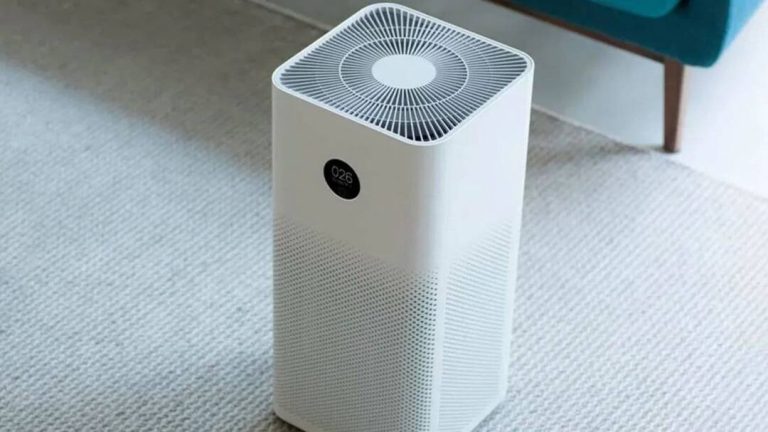
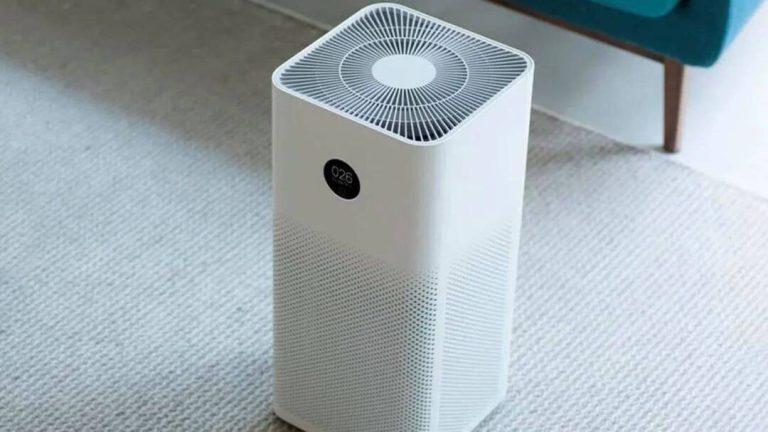
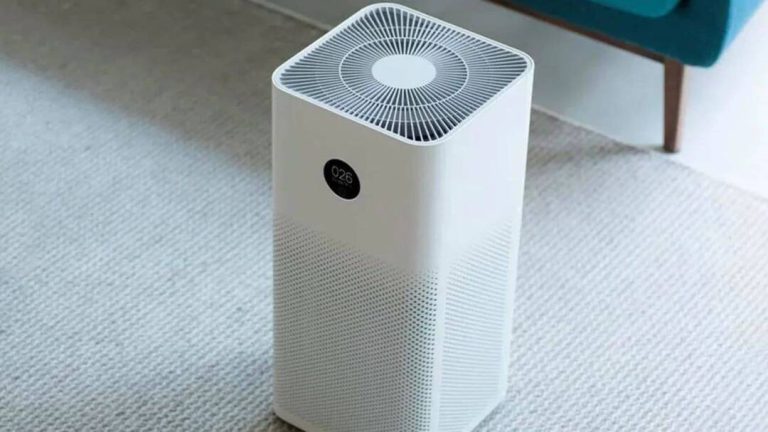
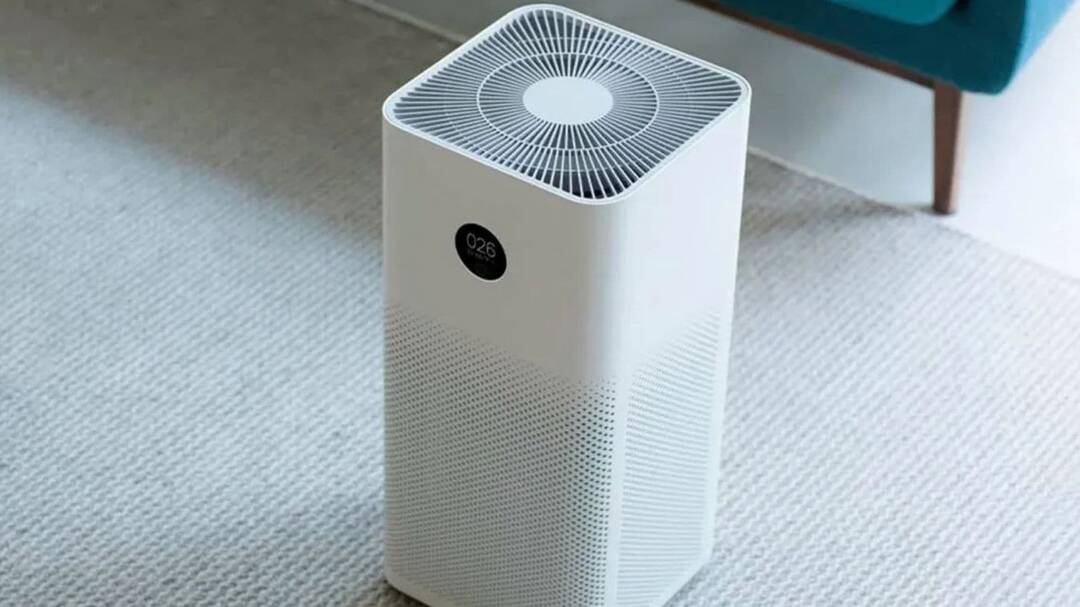
In a recent revelation, it has come to light that the Central Public Works Department (CPWD) has procured a staggering 405 air purifiers for various government offices, VVIP lounges, courtrooms, and even for the judges of the Supreme Court between 2021 and 2025. This information was shared by Housing and Urban Affairs Minister of State Tokhan Sahu in a statement to the Lok Sabha on Thursday. The air purifiers, which were purchased through the government’s online procurement portal, ranged in price from ₹15,000 to ₹1.50 lakh per purifier.
The procurement of such a large number of air purifiers raises several questions about the government’s priorities and its commitment to improving the overall air quality in the country. While it is understandable that government offices and VVIP lounges require clean air, the fact that such a large number of air purifiers have been purchased for these areas seems to suggest that the government is more concerned with providing a comfortable working environment for its officials rather than addressing the broader issue of air pollution.
The purchase of air purifiers for Supreme Court judges and ministers is particularly noteworthy. These individuals are responsible for making laws and policies that affect the entire country, and it is their duty to ensure that the air quality in the country is improved. However, by purchasing air purifiers for their personal use, it seems that they are more concerned with their own comfort and well-being rather than taking concrete steps to address the issue of air pollution.
The government’s decision to purchase air purifiers for VVIP lounges is also questionable. These lounges are used by high-ranking officials and dignitaries, and it is likely that they are already equipped with state-of-the-art facilities and amenities. The purchase of air purifiers for these areas seems to be an unnecessary expense, especially when considering the fact that many parts of the country are still struggling with poor air quality.
The CPWD’s procurement of air purifiers is also significant because it highlights the government’s reliance on individual solutions to address the issue of air pollution. Rather than taking a comprehensive approach to improving air quality, the government seems to be relying on individual air purifiers to provide clean air for its officials. This approach is not only inefficient but also ineffective in the long run.
Furthermore, the purchase of air purifiers through the government’s online procurement portal raises questions about transparency and accountability. The government has been promoting the use of online procurement portals to increase transparency and reduce corruption, but the purchase of such a large number of air purifiers without proper justification or explanation suggests that there may be loopholes in the system.
In conclusion, the procurement of 405 air purifiers for government offices, VVIP lounges, and Supreme Court judges is a significant issue that raises several questions about the government’s priorities and commitment to improving air quality. While it is understandable that government officials require clean air, the fact that such a large number of air purifiers have been purchased for these areas seems to suggest that the government is more concerned with providing a comfortable working environment for its officials rather than taking concrete steps to address the issue of air pollution.
The government needs to take a more comprehensive approach to addressing air pollution, rather than relying on individual solutions like air purifiers. This can include implementing policies to reduce emissions, increasing the use of renewable energy, and promoting sustainable practices. Only by taking a holistic approach to addressing air pollution can the government hope to improve the air quality in the country and provide a healthy environment for all citizens.
About the Author