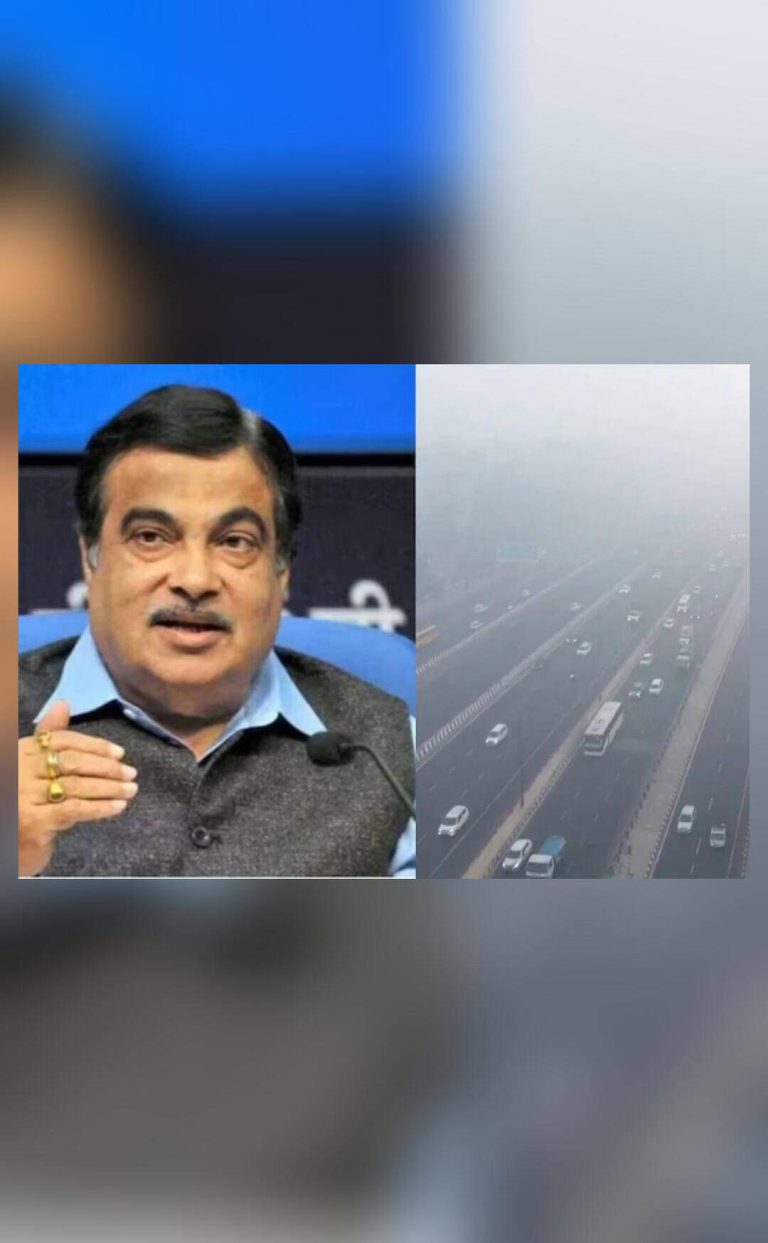
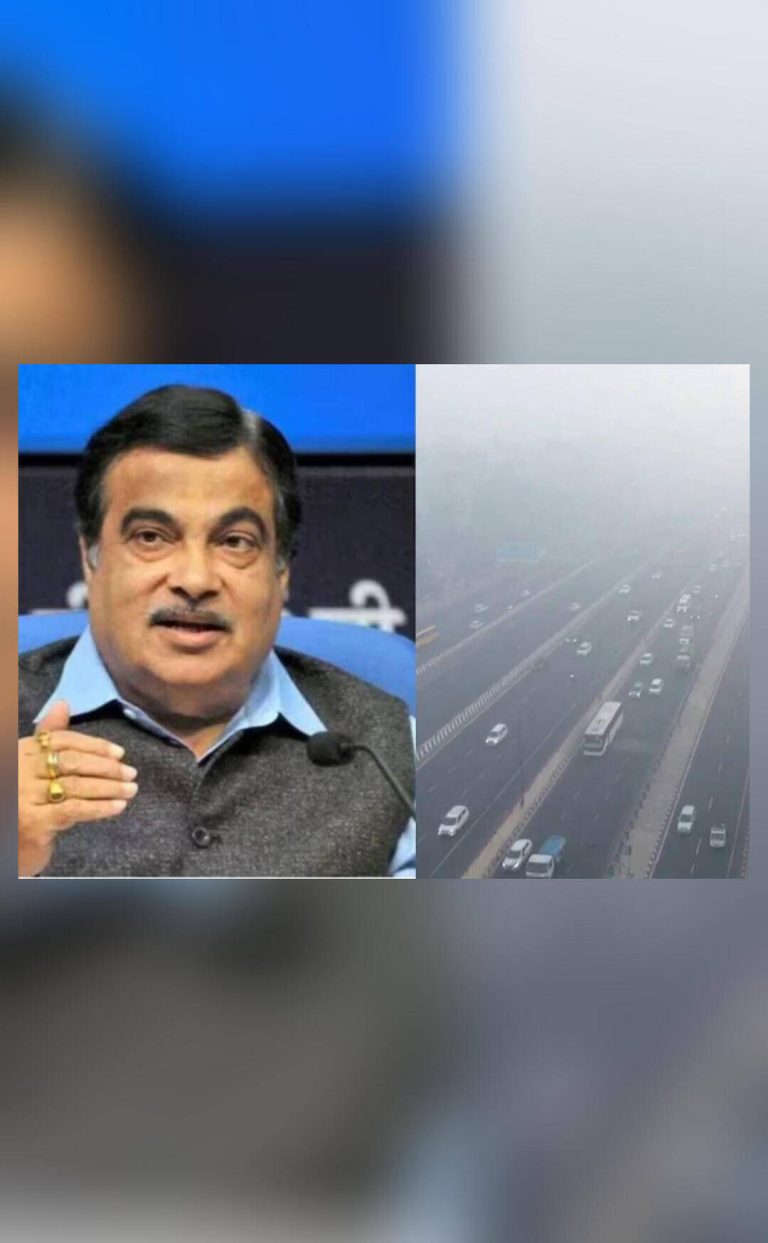
40% Pollution Linked to Our Sector: Transport Minister Gadkari
The issue of pollution in Delhi has been a longstanding concern, with the city consistently ranking among the most polluted in the world. The hazardous air quality has severe implications for the health and wellbeing of its residents, and it’s not uncommon to hear of people suffering from respiratory problems and other ailments due to the poor air quality. Recently, Union Transport Minister Nitin Gadkari spoke out about the issue, revealing that even he is not immune to the effects of Delhi’s pollution.
While speaking about the city’s pollution crisis, Gadkari stated that he develops a throat infection if he stays in Delhi for just two days. This is a stark admission from a high-ranking government official, and it highlights the gravity of the situation. As the Road Transport Minister, Gadkari is well aware of the role that his sector plays in contributing to the city’s pollution. In fact, he acknowledged that around 40% of pollution is linked to the transport sector, which is a staggering figure.
Gadkari’s comments came as he was discussing the need to reduce the country’s reliance on fossil fuels. He pointed out that fossil fuels are limited, and pollution is increasing at an alarming rate. He asked a simple yet poignant question: “Can’t we reduce fossil fuel usage?” This is a question that gets to the heart of the matter, as the transport sector is one of the largest consumers of fossil fuels. The burning of fossil fuels releases harmful pollutants into the air, including particulate matter, nitrogen oxides, and carbon monoxide, all of which contribute to the city’s poor air quality.
The fact that 40% of pollution is linked to the transport sector is a sobering statistic. It highlights the need for urgent action to reduce the sector’s reliance on fossil fuels and to promote cleaner, more sustainable modes of transportation. This could involve investing in electric or hybrid vehicles, improving public transportation systems, and encouraging the use of non-motorized transport, such as cycling or walking.
Gadkari’s admission that the transport sector is a major contributor to pollution is a significant one, as it acknowledges the role that the government plays in perpetuating the problem. However, it also suggests that the government is willing to take steps to address the issue. By recognizing the need to reduce fossil fuel usage, Gadkari is highlighting the importance of transitioning to cleaner, more sustainable modes of transportation.
The impact of pollution on public health cannot be overstated. Exposure to poor air quality has been linked to a range of health problems, including respiratory diseases, cardiovascular disease, and even cancer. In Delhi, the situation is particularly dire, with the city’s residents breathing in toxic air that is equivalent to smoking several packs of cigarettes per day. The economic costs of pollution are also significant, with estimates suggesting that the country loses billions of dollars per year due to the health impacts of poor air quality.
So, what can be done to address the issue of pollution in Delhi? Firstly, the government needs to take a proactive approach to reducing the transport sector’s reliance on fossil fuels. This could involve investing in electric or hybrid vehicles, as well as improving public transportation systems to reduce the number of private vehicles on the road. The government could also promote the use of non-motorized transport, such as cycling or walking, by investing in infrastructure such as bike lanes and pedestrianized zones.
In addition to these measures, the government could also take steps to reduce pollution from other sources, such as industrial activities and waste burning. This could involve implementing stricter regulations on emissions, as well as providing incentives for businesses to adopt cleaner, more sustainable practices.
Ultimately, addressing the issue of pollution in Delhi will require a concerted effort from government, businesses, and individuals. It will require a fundamental shift in the way we think about transportation and the way we live our lives. However, by working together, we can create a cleaner, healthier, and more sustainable city for all.
In conclusion, the issue of pollution in Delhi is a complex and multifaceted one, and it will require a comprehensive approach to address. The fact that 40% of pollution is linked to the transport sector is a stark reminder of the need to reduce our reliance on fossil fuels and to promote cleaner, more sustainable modes of transportation. By taking action to address this issue, we can create a better future for ourselves and for generations to come.
About the Author