40% pollution linked to our sector: Transport Minister Gadkari
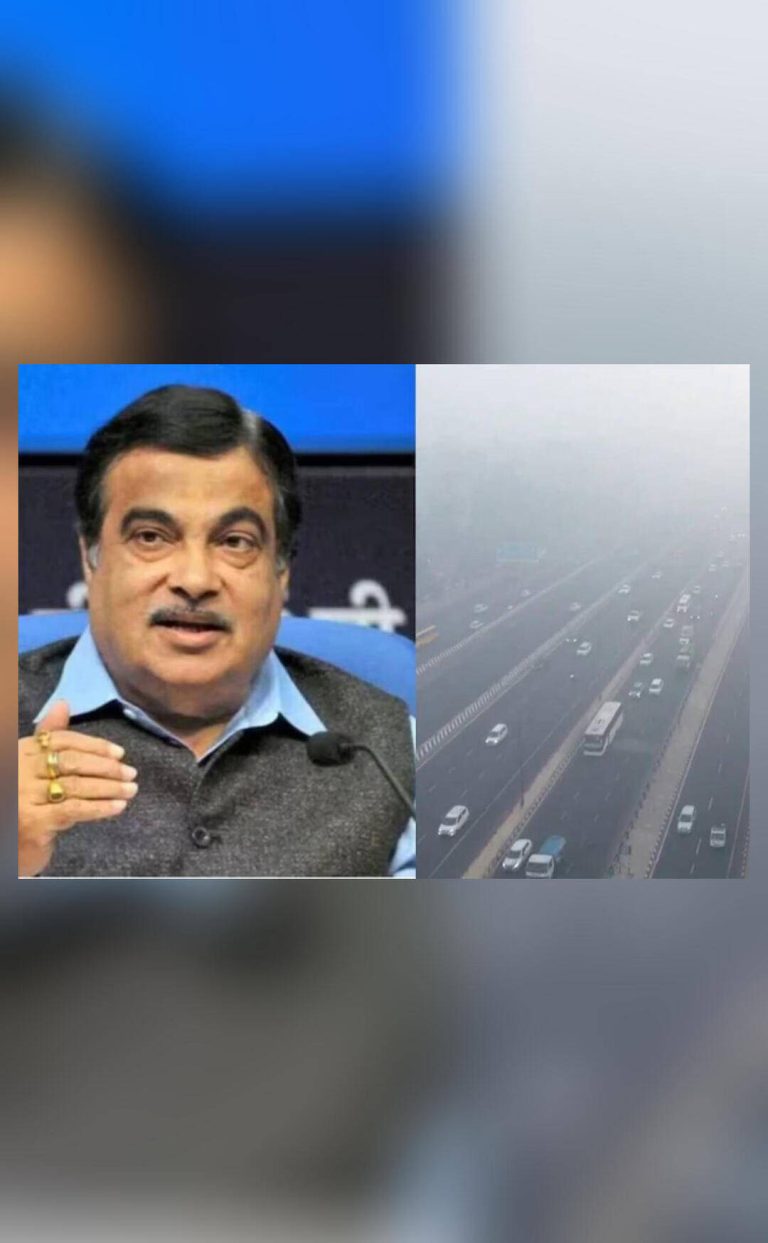
The issue of air pollution in India, particularly in the national capital Delhi, has been a pressing concern for several years. The hazardous levels of pollutants in the air have severe implications for the health and well-being of the citizens, and it is imperative that immediate action is taken to mitigate this crisis. Recently, Union Transport Minister Nitin Gadkari spoke about the alarming levels of pollution in Delhi, highlighting the significant contribution of the transport sector to this problem.
While speaking about the air crisis in Delhi, Minister Gadkari revealed that he develops throat infection if he stays in the city for just two days. This statement underscores the severity of the pollution problem in Delhi, which is affecting not just the common citizens but also high-ranking government officials. The Minister’s personal experience with the pollution in Delhi serves as a stark reminder of the urgent need for effective measures to address this issue.
What is even more striking is Minister Gadkari’s acknowledgment that the transport sector, which he oversees, is responsible for a substantial percentage of the pollution. “I’m the Road Transport Minister, and around 40 per cent of pollution is linked to our sector,” he said. This admission is significant, as it demonstrates a willingness to accept responsibility and take concrete steps to reduce the environmental impact of the transport sector.
The Minister’s statement also highlights the critical role that fossil fuels play in contributing to pollution. “Fossil fuels are limited, and pollution is increasing. Can’t we reduce fossil fuel usage?” he asked. This question strikes at the heart of the matter, as the reliance on fossil fuels is a major factor in the increasing levels of pollution. The transport sector, in particular, is heavily dependent on fossil fuels, which are not only limited but also a significant contributor to greenhouse gas emissions.
The need to reduce fossil fuel usage is not just an environmental imperative but also an economic one. As Minister Gadkari pointed out, fossil fuels are limited, and their depletion will have severe consequences for the economy and the environment. Therefore, it is essential to explore alternative sources of energy and promote sustainable practices in the transport sector.
One possible solution is to promote the use of electric vehicles, which are a cleaner and more sustainable alternative to traditional fossil fuel-based vehicles. The government has already taken steps in this direction, with initiatives such as the FAME (Faster Adoption and Manufacturing of Hybrid and Electric Vehicles) scheme, which aims to encourage the adoption of electric and hybrid vehicles.
Another approach is to improve the public transport system, making it more efficient and reliable, and thereby reducing the need for personal vehicles. This can be achieved through investments in modern transportation infrastructure, such as metro systems, buses, and trains. Additionally, promoting non-motorized transport, such as cycling and walking, can also help reduce the reliance on fossil fuels and decrease pollution.
The private sector also has a critical role to play in reducing pollution. Companies can invest in sustainable practices, such as using electric or hybrid vehicles for their operations, and promoting carpooling and other eco-friendly commuting options for their employees.
In conclusion, the statement by Union Transport Minister Nitin Gadkari highlights the urgent need for action to address the pollution crisis in India. The acknowledgment that the transport sector is responsible for a significant percentage of pollution is a crucial step towards finding solutions. By promoting sustainable practices, reducing fossil fuel usage, and investing in alternative energy sources, we can mitigate the environmental impact of the transport sector and create a healthier, more sustainable future for all.
As the Minister himself said, the need to reduce fossil fuel usage is not just an environmental imperative but also an economic one. It is time for us to take collective action to address the pollution crisis and create a better future for ourselves and future generations.
About the Author