40% Pollution Linked to Our Sector: Transport Minister Gadkari
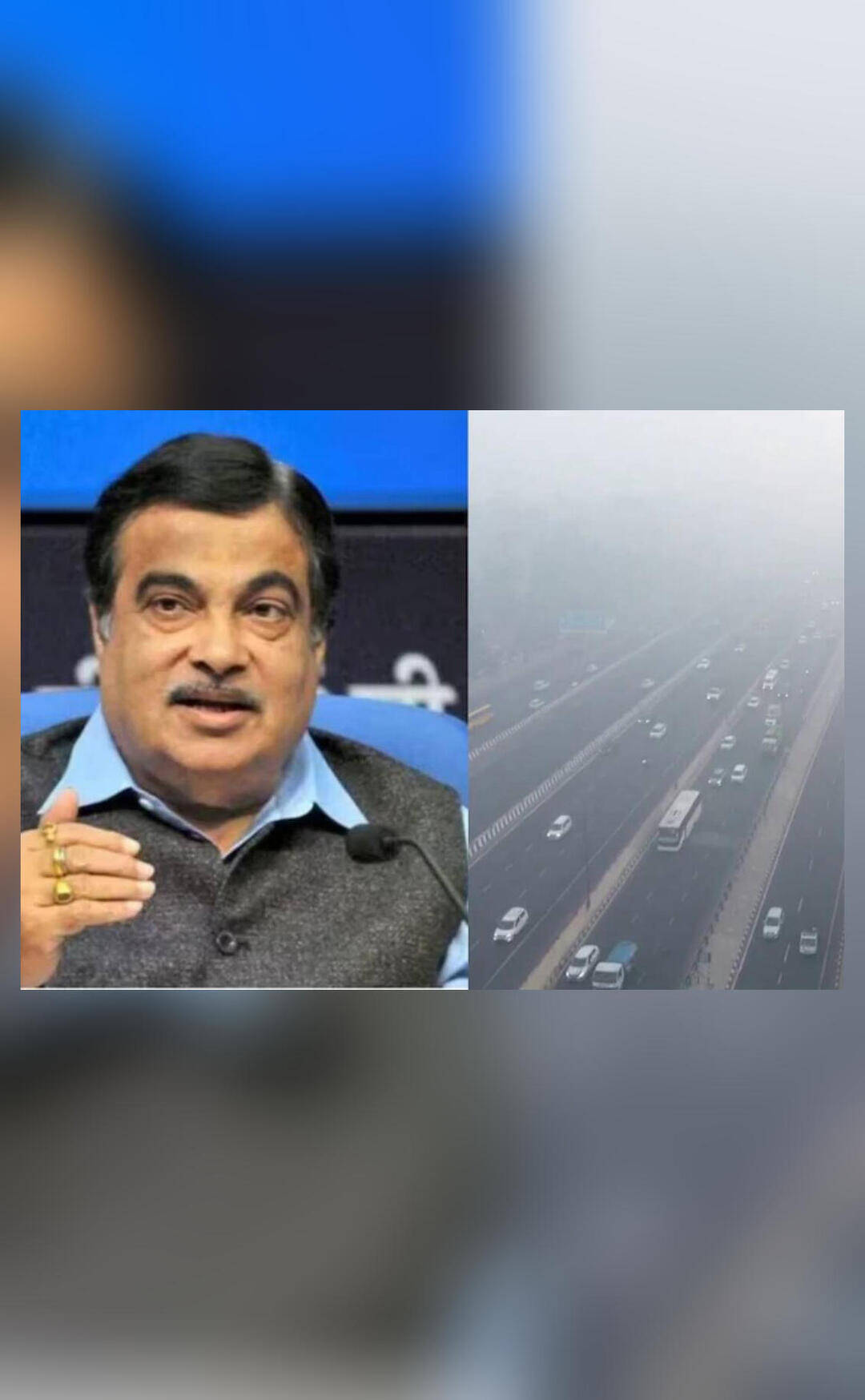
The issue of pollution, particularly in Delhi, has been a pressing concern for the Indian government and its citizens. The national capital has been grappling with hazardous air quality, and the situation has been exacerbated by various factors, including vehicular emissions. Recently, Union Transport Minister Nitin Gadkari shed light on the alarming state of pollution, revealing that his own health is affected by the poor air quality in Delhi. In a striking admission, Gadkari stated that if he stays in Delhi for two days, he develops a throat infection. This candid acknowledgment highlights the severity of the problem and the need for immediate action.
Gadkari, who is responsible for the country’s transport sector, took a introspective approach, acknowledging that his sector is significantly contributing to the pollution crisis. “I’m the Road Transport Minister, and around 40 per cent of pollution is linked to our sector,” he said. This statement is a clear indication that the transport sector, which includes vehicles and other modes of transportation, is a major contributor to the pollution problem. The minister’s willingness to accept responsibility and acknowledge the role of his sector in perpetuating pollution is a crucial step towards finding solutions.
The transport minister’s comments come at a time when Delhi is struggling to cope with toxic air quality. The city’s pollution levels have been consistently high, with particulate matter (PM) 2.5 and PM 10 levels often exceeding safe limits. The situation is further complicated by the fact that Delhi is a densely populated city, with a large number of vehicles on the road. The burning of fossil fuels, such as petrol and diesel, releases harmful pollutants into the atmosphere, contributing to the city’s poor air quality.
Gadkari’s statement that “fossil fuels are limited, and pollution is increasing” underscores the urgent need to transition to cleaner, more sustainable energy sources. The minister’s question, “Can’t we reduce fossil fuel usage?” is a pertinent one, as it highlights the need for alternative solutions to mitigate the pollution crisis. The transport sector, in particular, has a significant role to play in reducing its reliance on fossil fuels and embracing cleaner energy sources.
The Indian government has been taking steps to promote the use of electric vehicles (EVs) and other alternative modes of transportation. The government’s push for EVs is aimed at reducing the country’s dependence on fossil fuels and decreasing vehicular emissions. However, the transition to EVs is a complex process, requiring significant investments in infrastructure, technology, and public awareness campaigns.
In addition to promoting EVs, the government has also been working to improve public transportation systems, including buses and metro services. These initiatives aim to reduce the number of private vehicles on the road, thereby decreasing emissions and alleviating congestion. Furthermore, the government has been implementing measures to enhance fuel efficiency standards, which can help reduce emissions from vehicles.
Gadkari’s comments also highlight the need for a multi-stakeholder approach to address the pollution crisis. The transport sector, government agencies, private companies, and civil society organizations must work together to find solutions to this complex problem. This collaborative approach can help identify effective strategies for reducing emissions, promoting sustainable transportation, and improving air quality.
In conclusion, the Union Transport Minister’s admission that 40% of pollution is linked to the transport sector is a significant acknowledgment of the problem. Gadkari’s willingness to accept responsibility and call for a reduction in fossil fuel usage is a crucial step towards finding solutions. The Indian government, along with other stakeholders, must work together to promote sustainable transportation, reduce emissions, and improve air quality. The transition to cleaner energy sources, such as electric vehicles, and the enhancement of public transportation systems are critical components of this effort. Ultimately, a concerted effort is required to address the pollution crisis and create a healthier, more sustainable environment for all.
About the Author