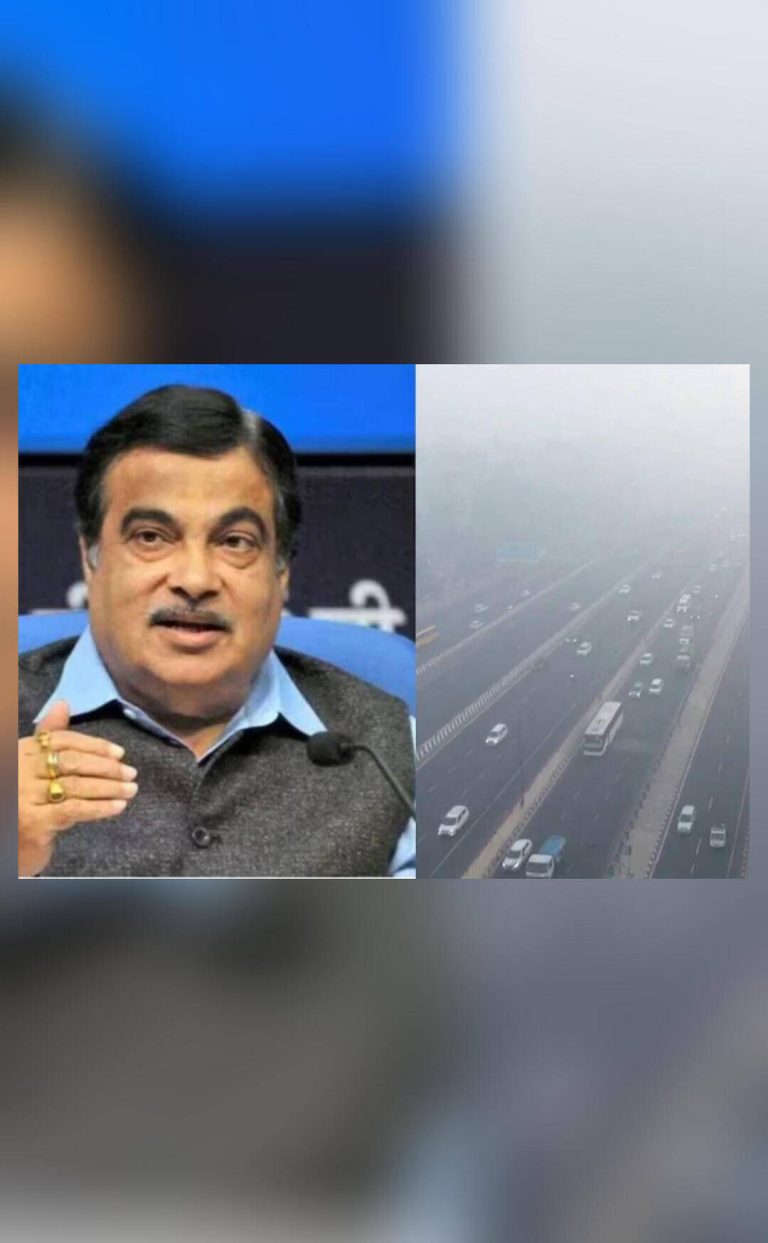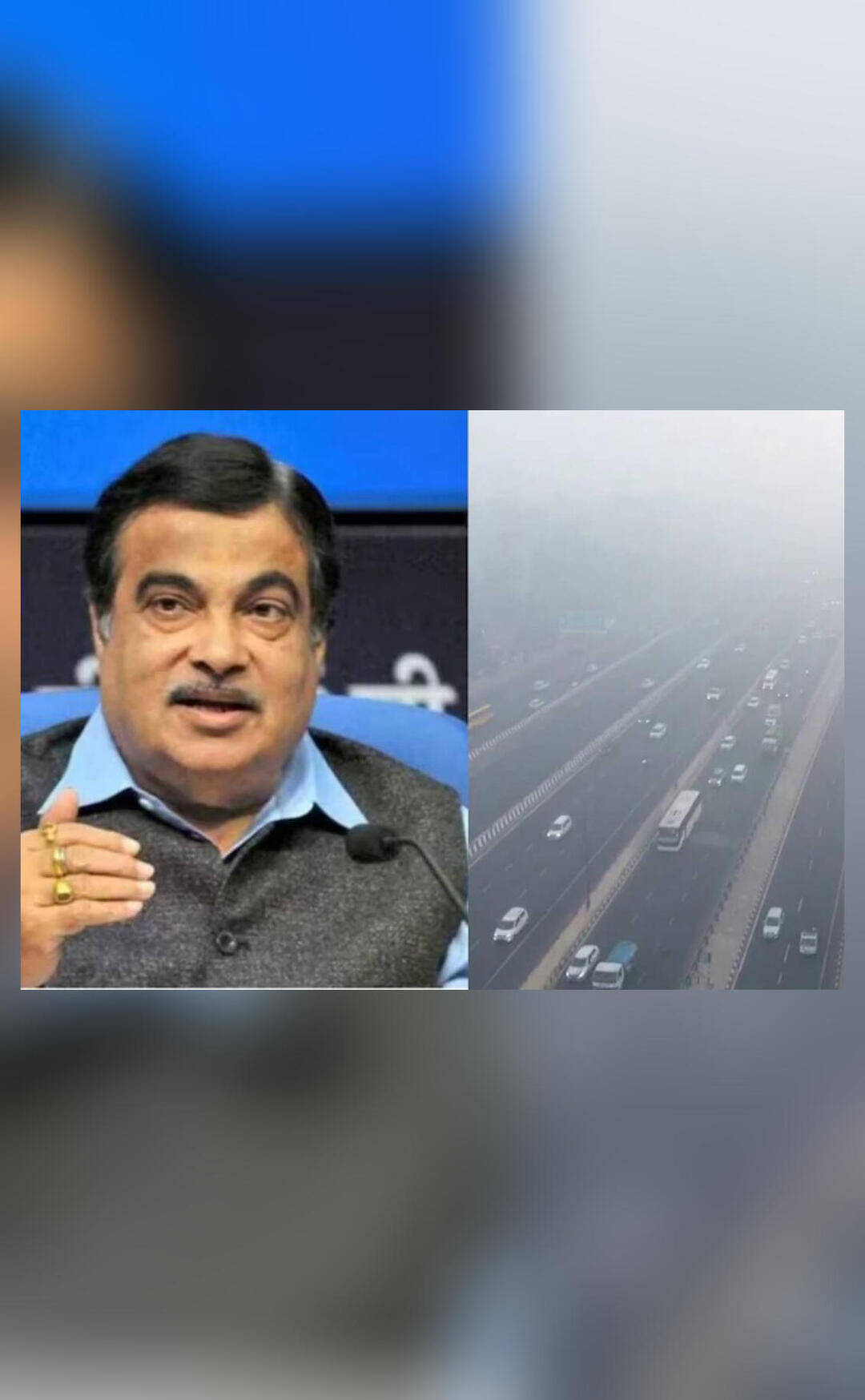
40% Pollution Linked to Our Sector: Transport Minister Gadkari
The issue of air pollution has become a pressing concern in India, particularly in the capital city of Delhi. The city has been grappling with severe air pollution for years, with the air quality index often reaching hazardous levels. Recently, Union Transport Minister Nitin Gadkari spoke out about the issue, revealing that he develops throat infections if he stays in Delhi for just two days. This statement highlights the severity of the problem and the need for immediate action.
Gadkari, who is also the Minister for Road Transport and Highways, acknowledged that the transport sector plays a significant role in contributing to air pollution. “I’m the Road Transport Minister, and around 40 per cent of pollution is linked to our sector,” he said. This admission is a significant acknowledgment of the impact that the transport sector has on the environment. The transport sector is one of the largest contributors to greenhouse gas emissions, and it is essential that the government takes steps to reduce its carbon footprint.
The Minister’s statement also highlights the urgent need to reduce our reliance on fossil fuels. “Fossil fuels are limited, and pollution is increasing. Can’t we reduce fossil fuel usage?” he asked. This is a crucial question, as the world is facing a severe climate crisis. The transportation sector is one of the largest consumers of fossil fuels, and it is essential that we explore alternative energy sources to power our vehicles.
The use of fossil fuels has severe environmental consequences, including air pollution, climate change, and water pollution. The extraction, transportation, and burning of fossil fuels release toxic chemicals into the air, including particulate matter, carbon monoxide, and volatile organic compounds. These pollutants can cause respiratory problems, cardiovascular disease, and even cancer.
In addition to the health impacts, air pollution also has significant economic costs. A study by the World Health Organization (WHO) found that air pollution costs the Indian economy around $55 billion annually. This is a staggering figure, and it highlights the need for the government to take urgent action to address the issue.
So, what can be done to reduce air pollution in India? One of the most effective ways to reduce pollution is to promote the use of electric vehicles. Electric vehicles are a cleaner and more sustainable alternative to traditional fossil fuel-powered vehicles. They produce zero tailpipe emissions, which means that they do not contribute to air pollution. The Indian government has already taken steps to promote the use of electric vehicles, including offering incentives for manufacturers and consumers.
Another way to reduce pollution is to improve public transportation. A well-functioning public transportation system can reduce the number of private vehicles on the road, which in turn can reduce air pollution. The Indian government has invested heavily in public transportation infrastructure, including the development of metro systems and bus rapid transit systems.
In addition to these measures, the government can also take steps to reduce pollution from existing vehicles. This can be done by implementing stricter emission standards, improving fuel efficiency, and promoting the use of alternative fuels such as biofuels and hydrogen.
In conclusion, the issue of air pollution is a pressing concern that requires immediate attention. The statement by Transport Minister Nitin Gadkari highlights the significant role that the transport sector plays in contributing to air pollution. It is essential that the government takes urgent action to reduce our reliance on fossil fuels and promotes the use of cleaner and more sustainable energy sources. By working together, we can reduce air pollution and create a healthier and more sustainable environment for future generations.
About the Author