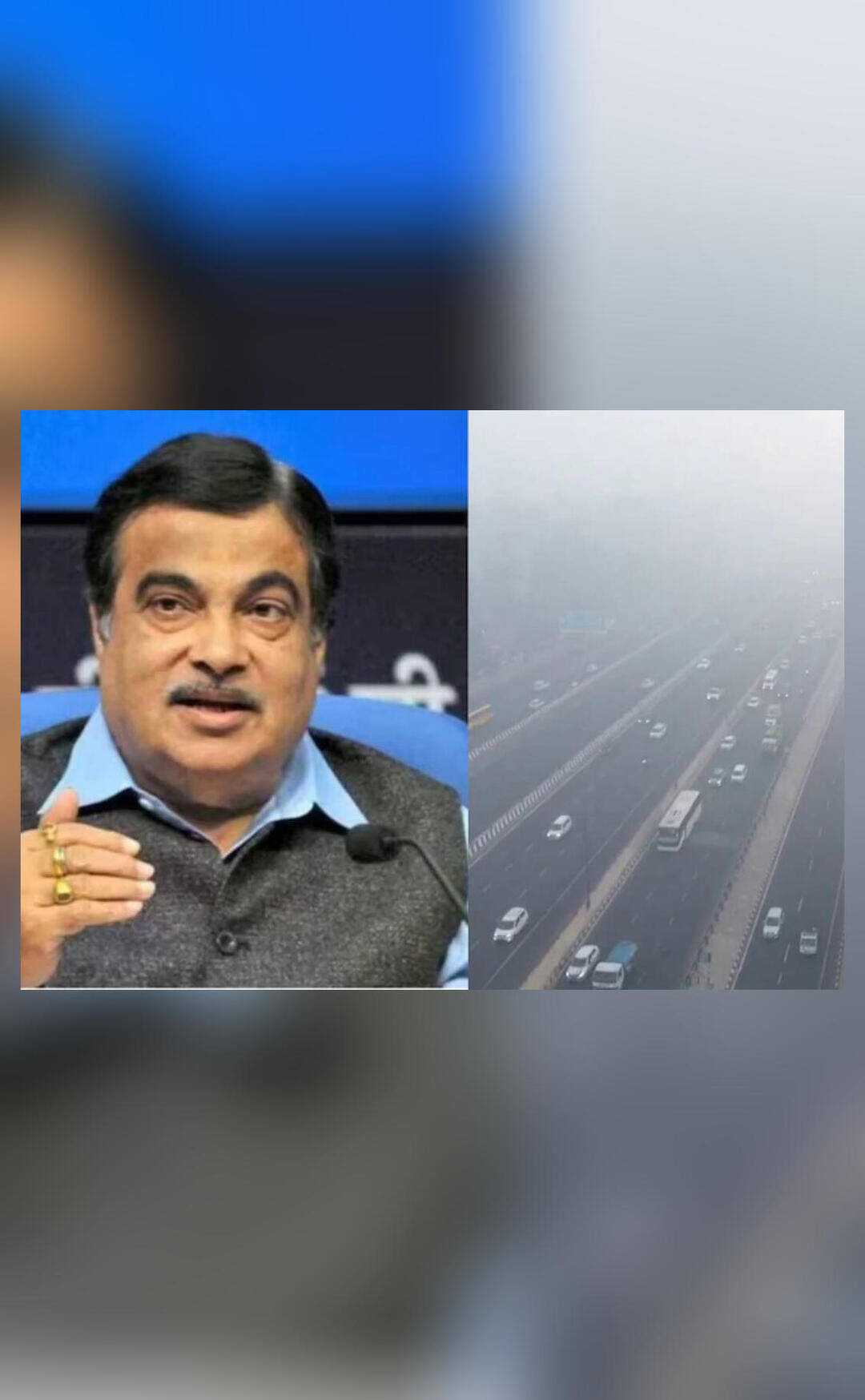
40% Pollution Linked to Our Sector: Transport Minister Gadkari
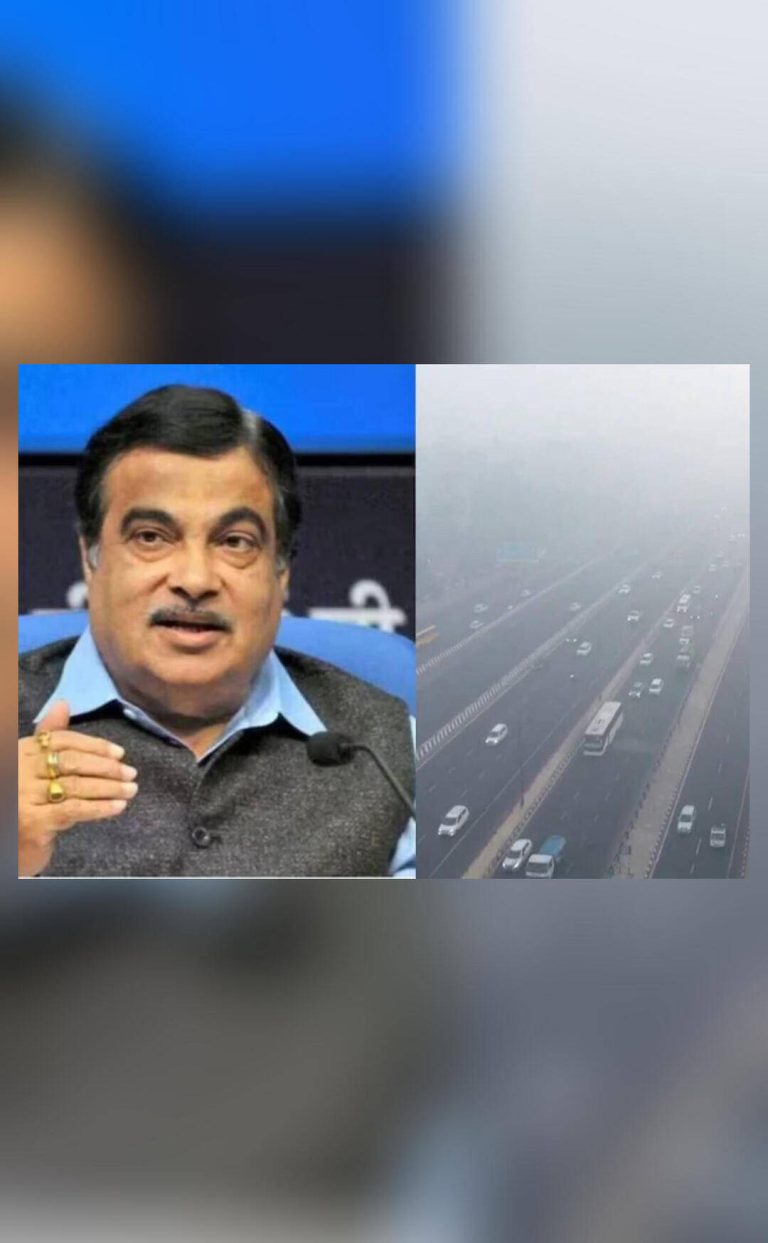
The issue of air pollution has become a pressing concern in recent years, particularly in urban areas like Delhi. The city’s poor air quality has been a topic of discussion among policymakers, environmentalists, and citizens alike. Recently, Union Transport Minister Nitin Gadkari shed light on the significant contribution of the transport sector to air pollution, stating that around 40% of pollution is linked to their sector.
While speaking about Delhi’s pollution, Minister Gadkari shared his personal experience, revealing that he develops a throat infection if he stays in Delhi for just two days. This statement highlights the severity of the air pollution problem in the city and the impact it has on human health. As the Road Transport Minister, Gadkari acknowledged the role of his sector in contributing to pollution, emphasizing the need for alternative solutions.
Gadkari’s statement, “I’m the Road Transport Minister, and around 40 per cent of pollution is linked to our sector,” is a significant admission, as it underscores the importance of addressing pollution in the transport sector. The minister’s willingness to acknowledge the problem and explore solutions is a positive step towards mitigating the issue. He further emphasized the need to reduce fossil fuel usage, stating, “Fossil fuels are limited, and pollution is increasing. Can’t we reduce fossil fuel usage?”
The transport sector is indeed a significant contributor to air pollution, with vehicles emitting harmful gases like carbon monoxide, particulate matter, and nitrogen oxides. These pollutants can cause respiratory problems, cardiovascular disease, and other health issues. The fact that 40% of pollution is linked to the transport sector highlights the need for a multifaceted approach to address this problem.
One possible solution is to promote the use of electric vehicles (EVs) and hybrid vehicles, which produce significantly fewer emissions than traditional fossil fuel-based vehicles. The government has already taken steps to encourage the adoption of EVs, such as offering subsidies and investing in EV charging infrastructure. However, more needs to be done to make EVs a viable option for the masses.
Another approach is to improve public transportation systems, making them more efficient and reliable. This can be achieved by investing in modern bus fleets, metro systems, and other forms of public transport. By providing citizens with convenient and affordable alternatives to personal vehicles, the government can reduce the number of vehicles on the road, thereby decreasing emissions.
Additionally, the government can implement policies to reduce traffic congestion, which is a significant contributor to air pollution. This can be achieved by optimizing traffic signal timings, improving road infrastructure, and promoting carpooling and ride-sharing. By reducing congestion, the government can decrease the amount of time vehicles spend on the road, resulting in lower emissions.
Minister Gadkari’s statement also highlights the need for a shift towards sustainable and renewable energy sources. As he pointed out, fossil fuels are limited, and their use is contributing to pollution. By transitioning to cleaner energy sources like solar, wind, and hydroelectric power, India can reduce its reliance on fossil fuels and decrease pollution.
In conclusion, the transport sector’s contribution to air pollution is a significant concern that needs to be addressed. Minister Gadkari’s admission of the sector’s role in pollution and his willingness to explore alternative solutions are positive steps towards mitigating the issue. By promoting the use of electric vehicles, improving public transportation, reducing traffic congestion, and transitioning to sustainable energy sources, India can reduce pollution and create a healthier environment for its citizens.
As the country continues to grapple with the issue of air pollution, it is essential to acknowledge the role of various sectors, including transport, in contributing to the problem. By working together and implementing effective solutions, India can reduce pollution and create a better future for its citizens.
About the Author