40% Pollution Linked to Our Sector: Transport Minister Gadkari
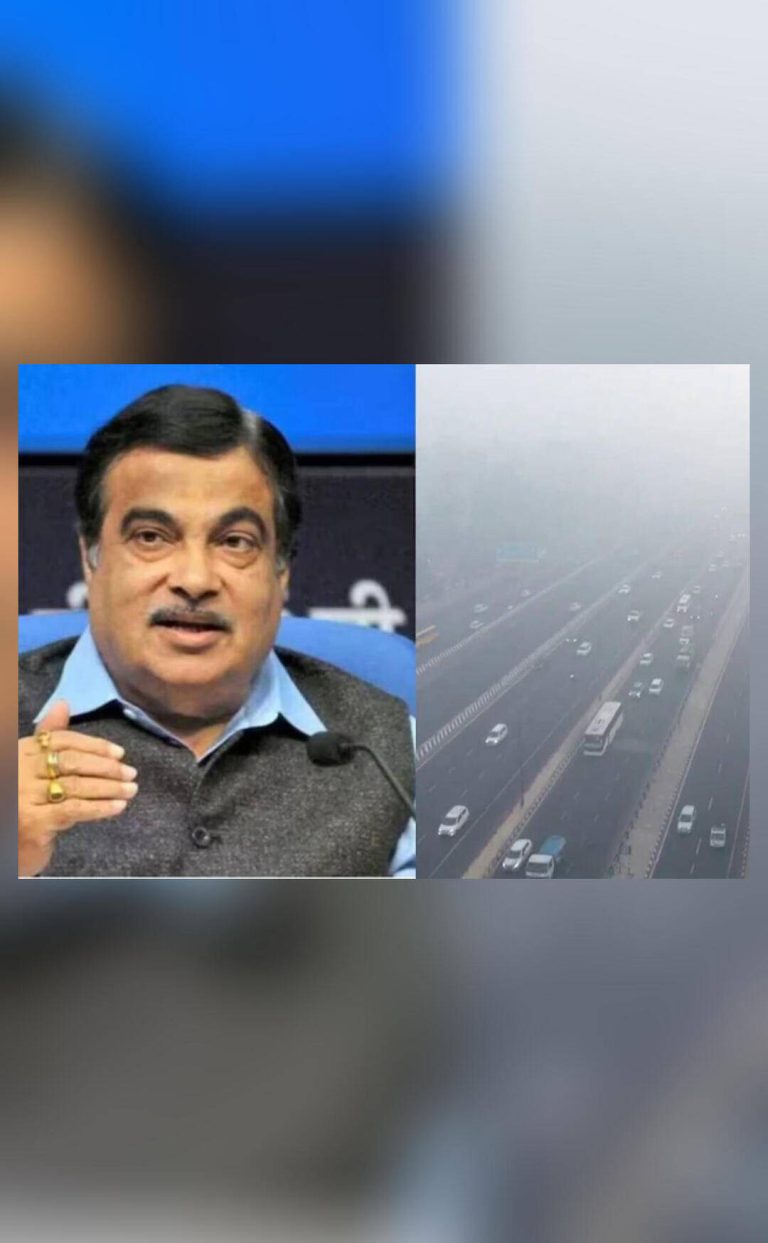
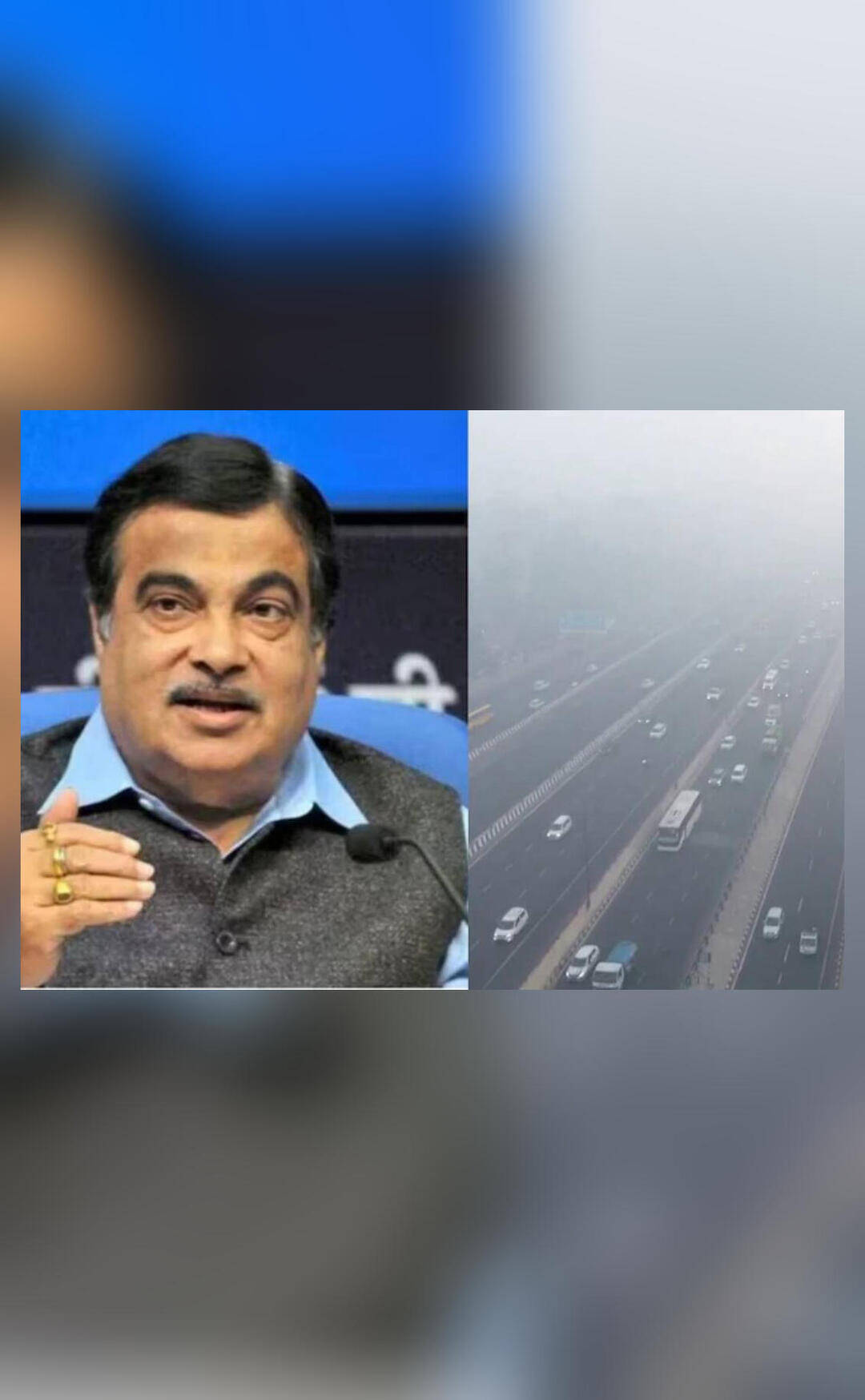
The issue of air pollution in Delhi has been a persistent concern for several years, with the city’s residents facing severe health risks due to the high levels of toxic pollutants in the air. Recently, Union Transport Minister Nitin Gadkari shed light on the alarming situation, revealing that even a short stay in Delhi can have adverse effects on his health. In a striking admission, Gadkari stated that if he stays in Delhi for just two days, he develops a throat infection. This candid remark highlights the gravity of the situation and the urgent need for collective action to mitigate the problem.
As the Road Transport Minister, Gadkari acknowledged that a significant portion of pollution is linked to his sector. According to him, around 40% of pollution can be attributed to the transport sector, which is a staggering figure. This revelation underscores the critical role that the transport sector plays in contributing to the overall pollution levels in the city. The minister’s statement serves as a wake-up call, emphasizing the need for the transport sector to take concrete steps towards reducing its environmental footprint.
Gadkari’s concerns about pollution are not limited to Delhi; he also expressed his worries about the broader implications of the country’s reliance on fossil fuels. “Fossil fuels are limited, and pollution is increasing. Can’t we reduce fossil fuel usage?” he asked, highlighting the urgent need for alternative, sustainable solutions. The minister’s remarks resonate with the global concerns about climate change, which is largely driven by the excessive use of fossil fuels.
The transport sector is one of the largest consumers of fossil fuels, and its contribution to greenhouse gas emissions is substantial. The sector’s reliance on fossil fuels not only exacerbates pollution but also accelerates climate change. Therefore, it is essential to explore alternative energy sources, such as electric or hybrid vehicles, to reduce the sector’s dependence on fossil fuels. By transitioning to cleaner energy sources, the transport sector can significantly decrease its environmental impact, contributing to a healthier and more sustainable future.
Gadkari’s statement also underscores the importance of individual and collective responsibility in addressing the pollution crisis. As the minister responsible for the transport sector, he recognizes the need for his sector to take proactive measures to reduce pollution. Similarly, individuals, organizations, and governments must work together to implement effective solutions to mitigate the problem. This collective approach will involve a range of strategies, from promoting the use of public transport and non-motorized vehicles to investing in clean energy technologies and implementing stringent emission norms.
The Delhi government has already taken some steps to address the pollution crisis, such as implementing the odd-even vehicle rationing system and promoting the use of electric vehicles. However, more needs to be done to tackle the problem effectively. The central government, state governments, and local authorities must collaborate to develop and implement a comprehensive plan to reduce pollution levels in the city. This plan should include measures such as enhancing public transport infrastructure, increasing the use of clean energy, and enforcing strict emission standards for vehicles.
In addition to these measures, there is a need for a broader cultural shift in the way we think about transportation and energy consumption. As a society, we must recognize the importance of sustainable living and the need to reduce our reliance on fossil fuels. This will involve changes in individual behavior, such as using public transport, carpooling, or cycling, as well as a willingness to adopt new technologies and innovations that promote sustainability.
In conclusion, the Union Transport Minister’s admission that 40% of pollution is linked to the transport sector serves as a stark reminder of the need for urgent action to address the pollution crisis in Delhi. The minister’s concerns about the limited availability of fossil fuels and the increasing levels of pollution highlight the importance of transitioning to alternative, sustainable energy sources. As we move forward, it is essential to adopt a collective approach, involving individual and collective responsibility, to mitigate the problem. By working together and implementing effective solutions, we can reduce pollution levels, promote sustainable living, and create a healthier environment for future generations.
About the Author