40% pollution linked to our sector: Transport Minister Gadkari
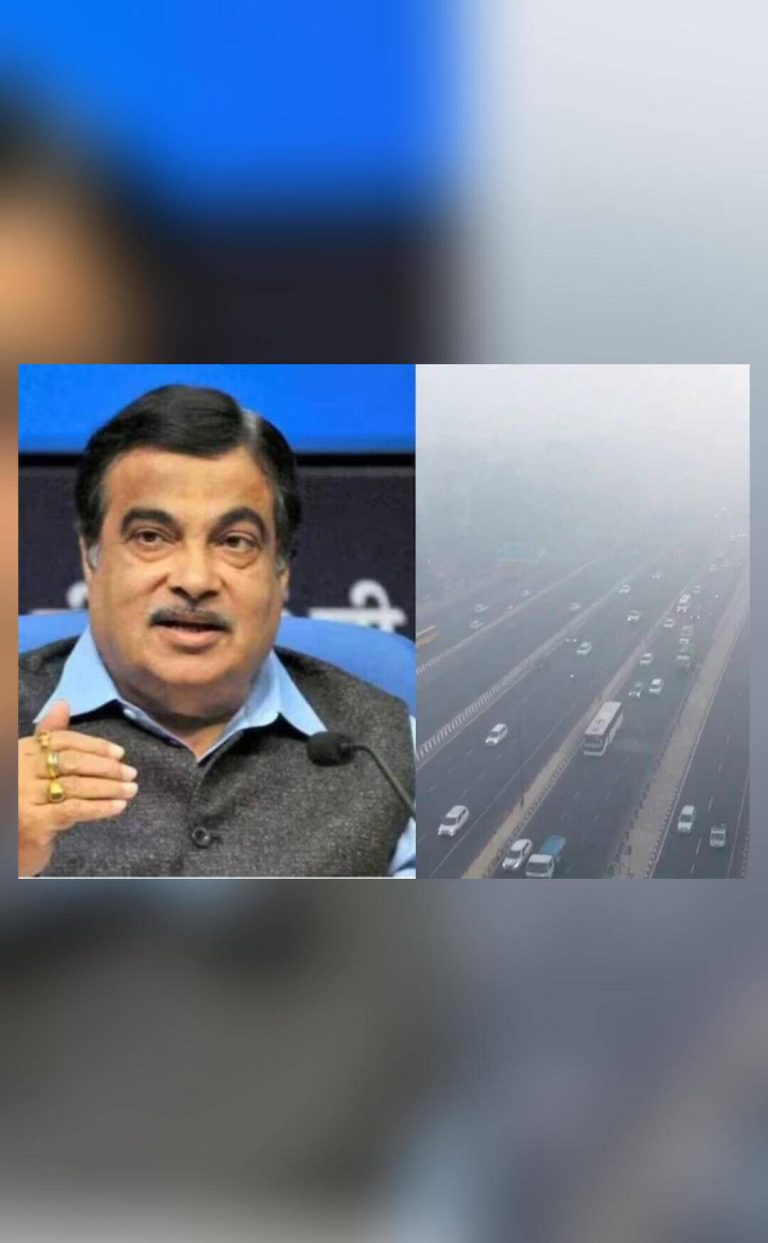
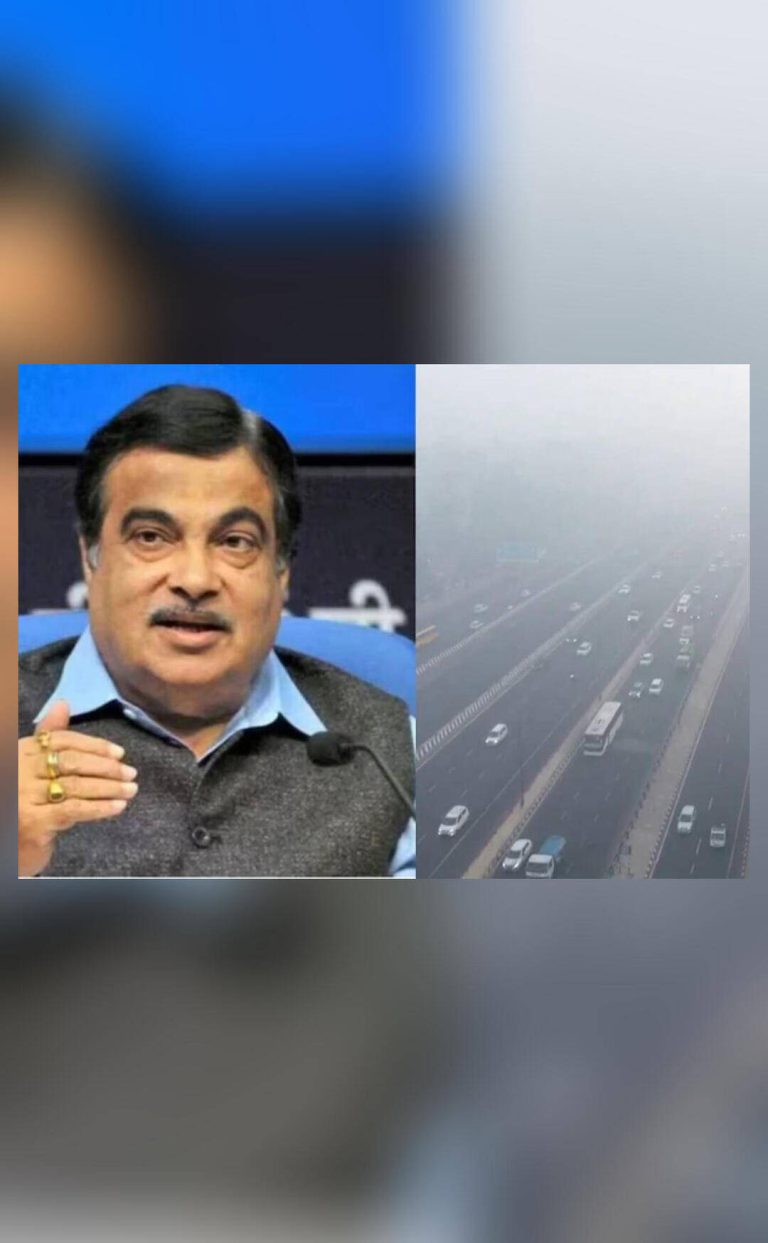
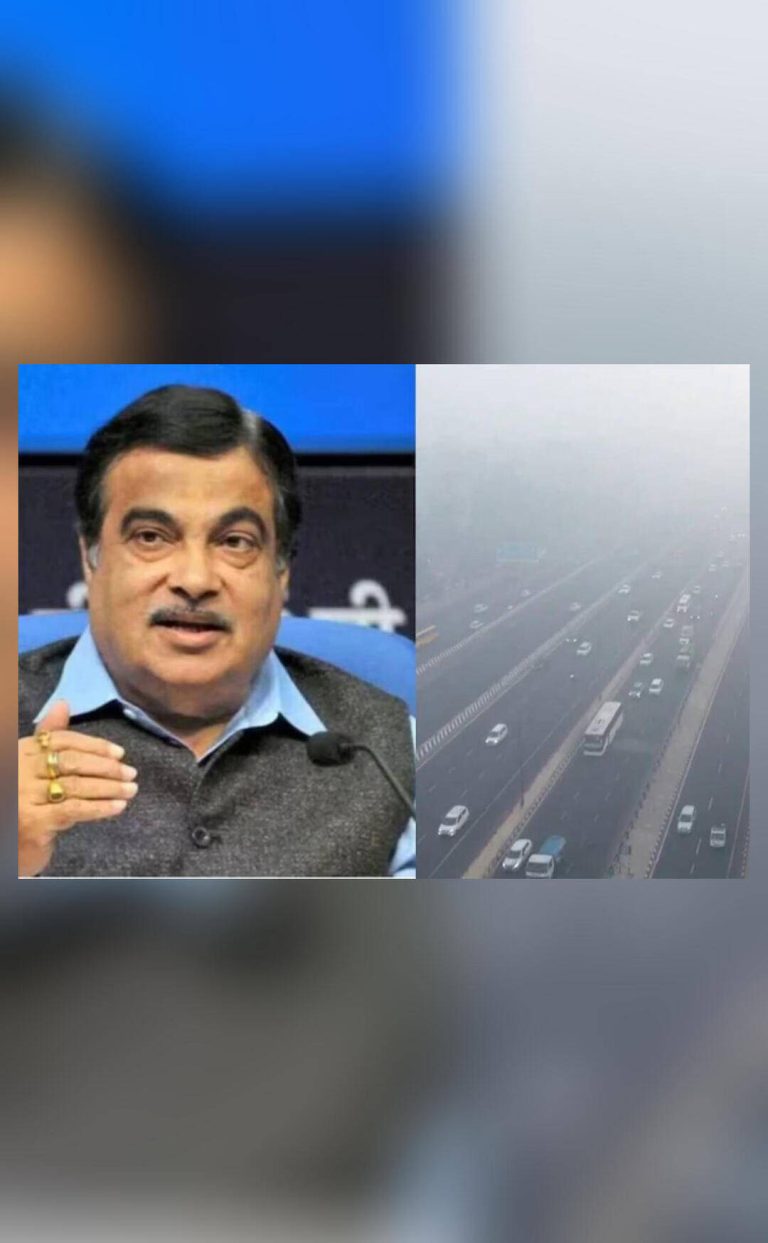
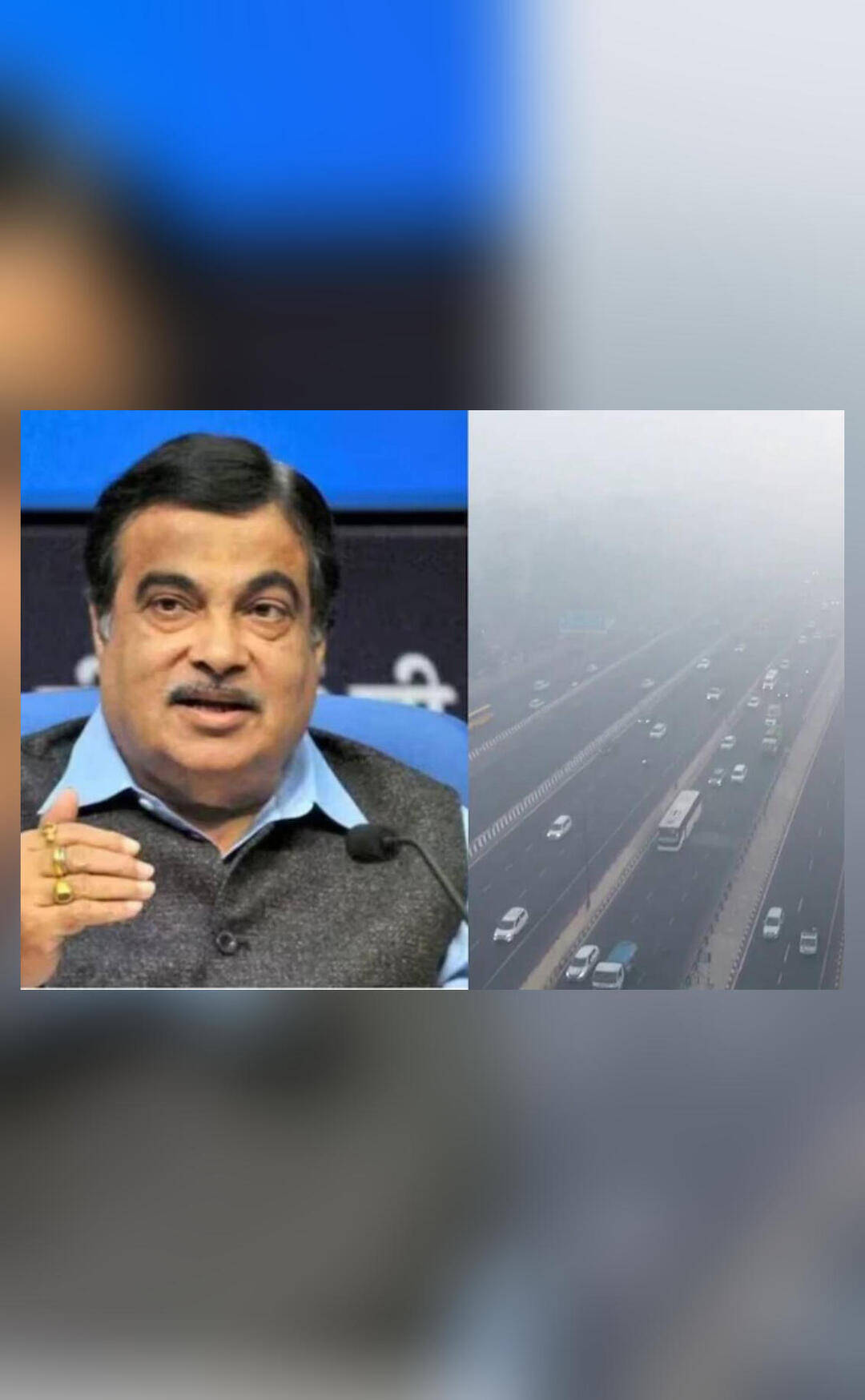
The issue of pollution has been a persistent problem in India, particularly in the national capital, Delhi. The city’s air quality has been a concern for many years, with the government and citizens alike struggling to find solutions to mitigate the problem. Recently, Union Transport Minister Nitin Gadkari spoke about the pollution crisis in Delhi, highlighting the significant role that the transport sector plays in contributing to the problem.
While speaking about Delhi’s pollution, Minister Gadkari revealed that he develops a throat infection if he stays in Delhi for just two days. This personal experience has given him a unique perspective on the issue, and he has been vocal about the need for change. As the Road Transport Minister, Gadkari acknowledged that around 40% of pollution is linked to the transport sector, which is a staggering statistic. This admission is significant, as it highlights the critical role that the transport sector plays in contributing to the pollution crisis.
Gadkari’s comments come at a time when the Indian government is under increasing pressure to address the pollution problem. The air quality in Delhi has been particularly poor in recent years, with the city’s residents facing serious health risks due to the high levels of pollutants in the air. The situation is so severe that it has been described as a “public health emergency” by many experts.
Minister Gadkari’s statement that “fossil fuels are limited, and pollution is increasing” is a stark reminder of the urgent need for change. The transport sector is one of the largest consumers of fossil fuels, and the resulting pollution has severe consequences for the environment and human health. The fact that the Minister is acknowledging the problem and calling for a reduction in fossil fuel usage is a positive step, but it will require a concerted effort from all stakeholders to bring about meaningful change.
One of the key challenges in reducing pollution from the transport sector is the sheer scale of the problem. India has a vast and growing population, and the demand for transportation is increasing rapidly. This has led to a surge in the number of vehicles on the road, which in turn has contributed to the pollution crisis. However, Minister Gadkari’s comments suggest that the government is aware of the need for alternative solutions, such as electric vehicles and public transportation.
In recent years, the Indian government has launched several initiatives aimed at reducing pollution from the transport sector. These include the promotion of electric vehicles, the development of public transportation systems, and the implementation of stricter emissions standards for vehicles. While these efforts are laudable, much more needs to be done to address the scale and complexity of the problem.
Minister Gadkari’s call to reduce fossil fuel usage is a critical step in the right direction. By acknowledging the role of the transport sector in contributing to pollution, the government can begin to develop targeted solutions to address the problem. This will require a combination of policy changes, technological innovations, and behavioral shifts, but the potential benefits are significant.
As the Indian government continues to grapple with the pollution crisis, it is clear that a multi-faceted approach will be needed to address the problem. This will involve not just the transport sector, but also other key stakeholders, such as industry, civil society, and individual citizens. By working together, it may be possible to reduce pollution and create a healthier, more sustainable environment for all.
In conclusion, Minister Gadkari’s comments on the pollution crisis in Delhi are a timely reminder of the urgent need for change. The fact that 40% of pollution is linked to the transport sector is a stark statistic, and it highlights the critical role that the government and citizens alike must play in addressing the problem. By promoting alternative solutions, such as electric vehicles and public transportation, and reducing fossil fuel usage, it may be possible to mitigate the pollution crisis and create a healthier, more sustainable environment for all.
About the Author