40% pollution linked to our sector: Transport Minister Gadkari
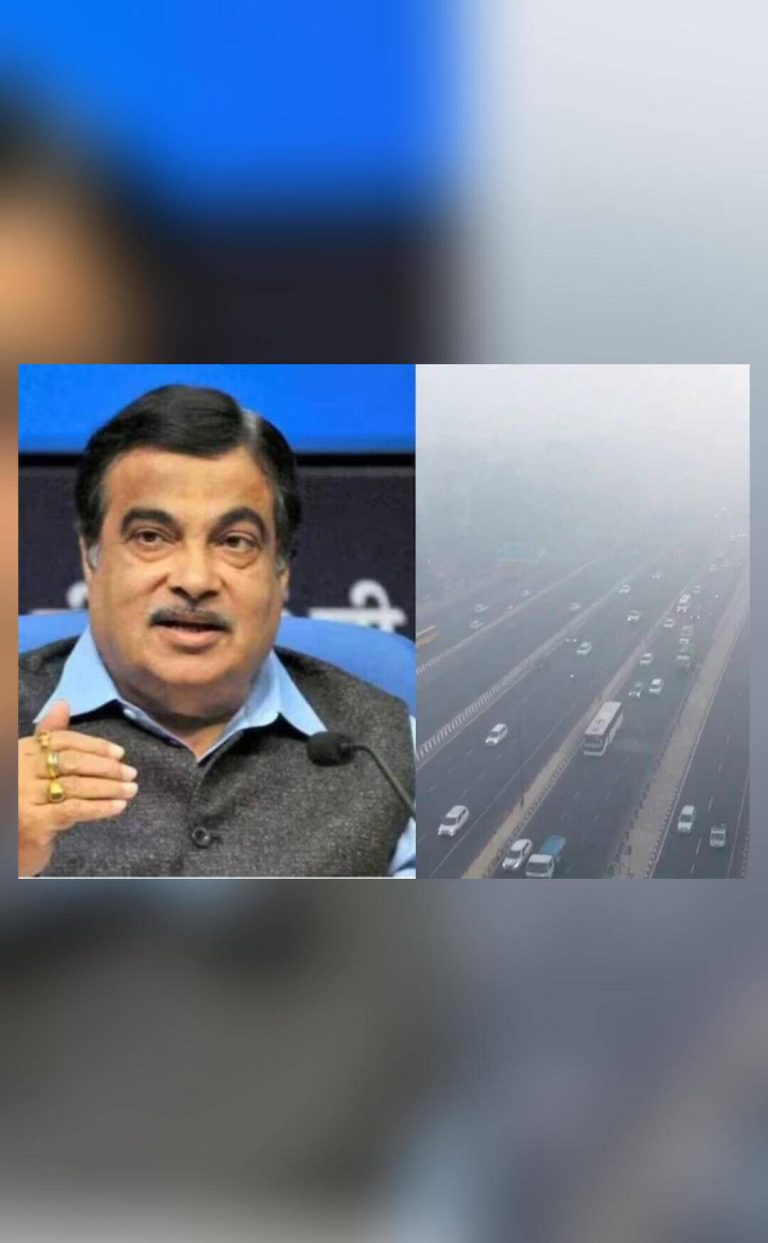
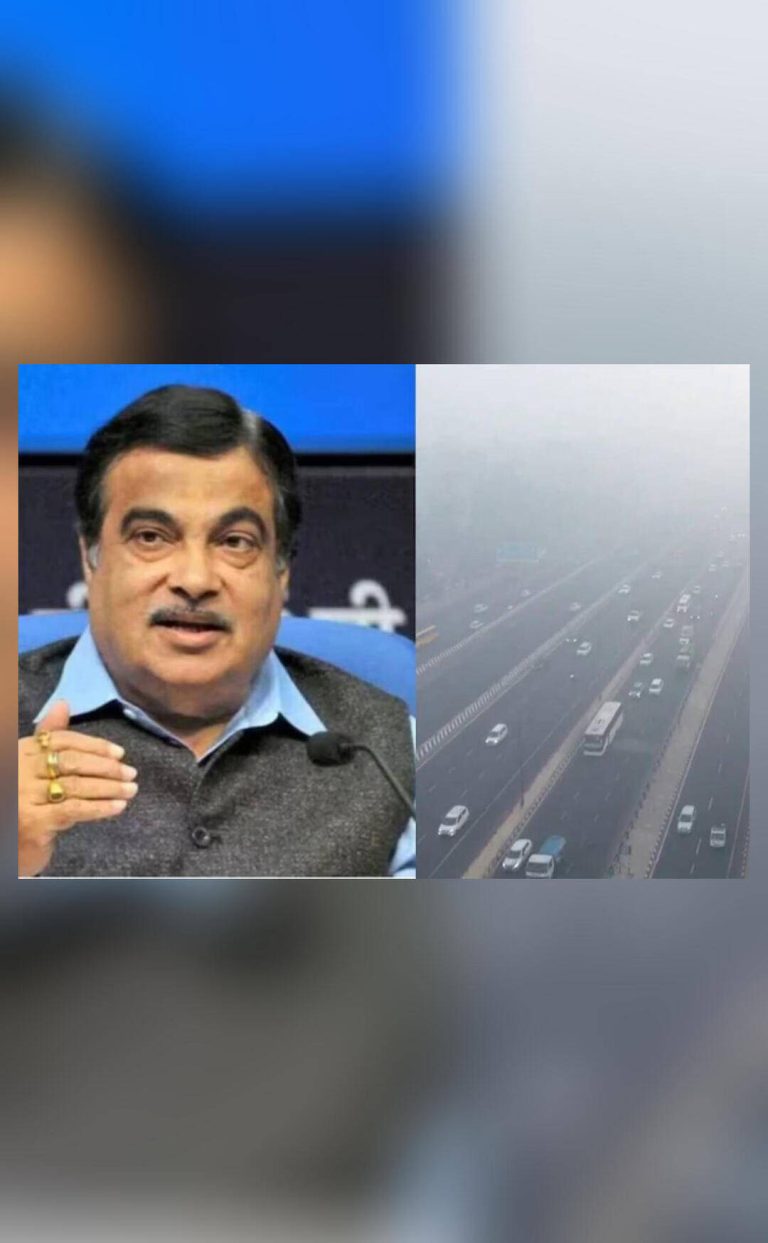
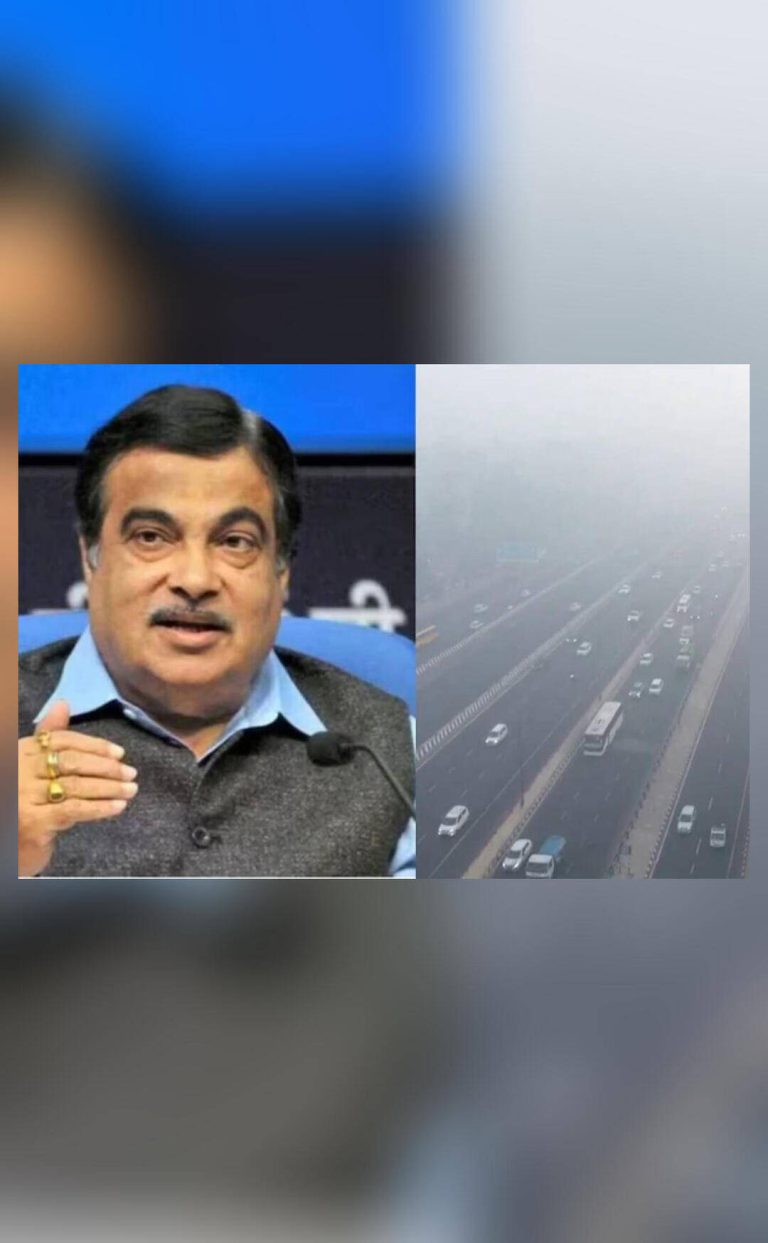
The issue of pollution has become a major concern in India, particularly in the national capital, Delhi. The city has been grappling with severe air pollution, which has become a recurring problem every winter. The situation is so dire that even the Union Transport Minister, Nitin Gadkari, has acknowledged the severity of the issue. Recently, while speaking about Delhi’s pollution, Gadkari revealed that he develops throat infection if he stays in Delhi for just two days. This statement highlights the alarming levels of pollution in the city and the need for urgent action to address the issue.
Gadkari, who is also the Minister for Road Transport and Highways, made a significant admission when he said, “I’m the Road Transport Minister, and around 40 per cent of pollution is linked to our sector.” This statement is a clear acknowledgment of the fact that the transportation sector, which includes vehicles and other modes of transport, is a major contributor to pollution. The Minister’s admission is a significant one, as it highlights the need for the transportation sector to take steps to reduce its environmental impact.
The Minister’s comments on pollution are particularly significant, given his role in the government. As the Road Transport Minister, Gadkari has been instrumental in shaping the country’s transportation policy. His admission that the transportation sector is a major contributor to pollution suggests that the government is aware of the issue and is willing to take steps to address it. Gadkari’s statement also underscores the need for a multi-faceted approach to addressing pollution, one that involves not just the transportation sector but also other stakeholders, including industries, individuals, and civil society.
Gadkari also emphasized the need to reduce the use of fossil fuels, which are a major contributor to pollution. “Fossil fuels are limited, and pollution is increasing. Can’t we reduce fossil fuel usage?” he asked. This statement highlights the need for alternative sources of energy, such as renewable energy, to power our vehicles and other modes of transport. The use of fossil fuels is not only a major contributor to pollution, but it is also a finite resource, which will eventually run out. Therefore, it is essential to explore alternative sources of energy, such as solar, wind, and hydro power, to reduce our dependence on fossil fuels.
The issue of pollution is a complex one, and it requires a comprehensive approach to address it. The government, industries, and individuals must all work together to reduce pollution and promote sustainable development. This can involve a range of measures, including the use of cleaner fuels, the promotion of electric vehicles, and the implementation of stricter emission norms. Additionally, individuals can also play a role by making environmentally conscious choices, such as using public transport, carpooling, or cycling.
The transportation sector is a significant contributor to pollution, and it is essential to take steps to reduce its environmental impact. This can involve the use of cleaner fuels, such as compressed natural gas (CNG) or liquefied petroleum gas (LPG), which are less polluting than traditional fossil fuels. Additionally, the promotion of electric vehicles can also help reduce pollution, as they produce zero emissions. The government can also play a role by implementing stricter emission norms and providing incentives for the adoption of cleaner fuels and vehicles.
In conclusion, the issue of pollution is a serious one, and it requires urgent attention. The admission by Union Transport Minister Nitin Gadkari that the transportation sector is a major contributor to pollution highlights the need for the sector to take steps to reduce its environmental impact. The use of fossil fuels is a major contributor to pollution, and it is essential to explore alternative sources of energy to reduce our dependence on them. The government, industries, and individuals must all work together to promote sustainable development and reduce pollution. By taking a comprehensive approach to addressing pollution, we can create a healthier and more sustainable environment for future generations.
About the Author