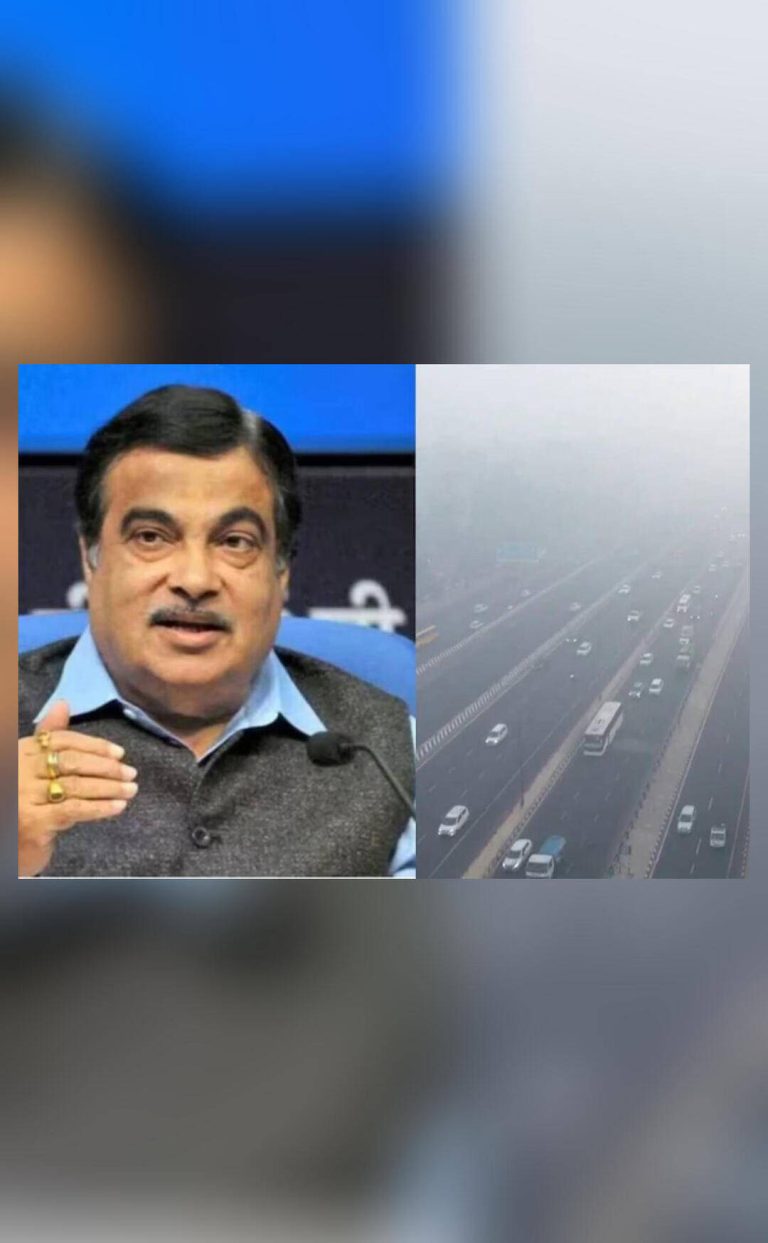
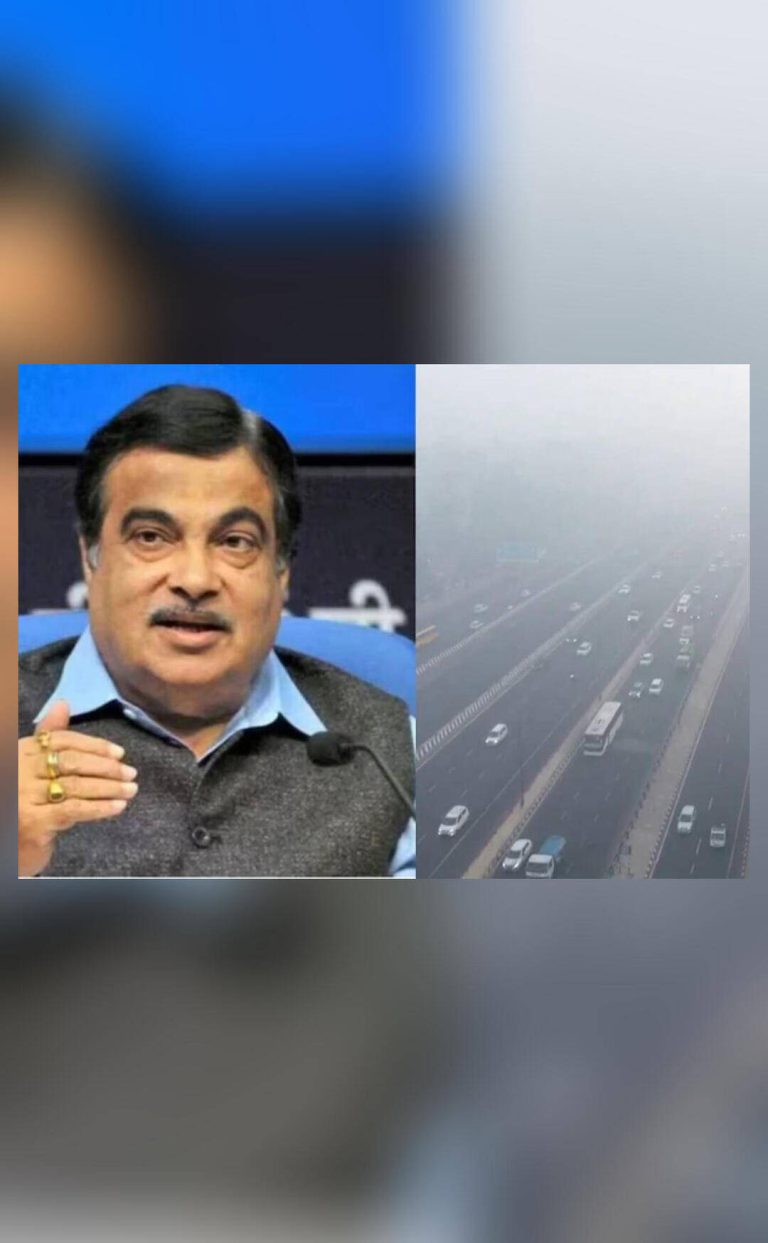
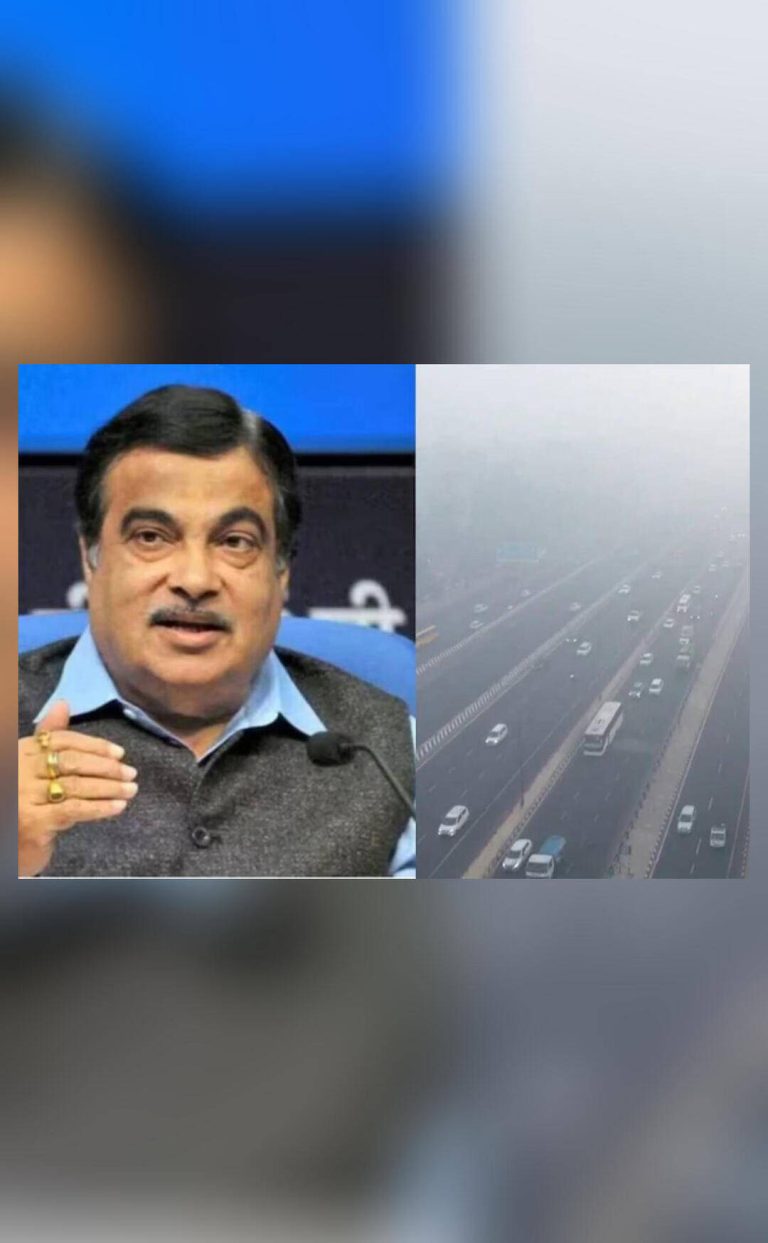
40% Pollution Linked to Our Sector: Transport Minister Gadkari
The issue of pollution, particularly in Delhi, has been a pressing concern for the Indian government and its citizens. The national capital has been grappling with hazardous air quality, and the situation has become a major talking point in recent times. Union Transport Minister Nitin Gadkari has now weighed in on the issue, revealing a startling fact that around 40% of pollution can be attributed to the transport sector. In a candid admission, Gadkari expressed his personal struggles with Delhi’s pollution, stating that even a two-day stay in the city is enough to give him a throat infection.
Gadkari’s comments are significant, as they come from a minister who oversees the transport sector, which is now being identified as a major contributor to the country’s pollution woes. The minister’s remarks also underscore the urgent need to address the issue of pollution, which has severe implications for public health and the environment. As the Road Transport Minister, Gadkari has a critical role to play in finding solutions to mitigate the pollution caused by the transport sector.
The minister’s personal experience with Delhi’s pollution is a telling example of the severity of the issue. “I’m the Road Transport Minister, and around 40 per cent of pollution is linked to our sector,” he said, highlighting the transport sector’s substantial contribution to the problem. Gadkari’s throat infection, which he develops after just two days in Delhi, is a stark reminder of the hazardous air quality in the city. The minister’s willingness to acknowledge the issue and its impact on his own health is a welcome step, as it underscores the need for immediate action to address the crisis.
Gadkari’s comments also emphasized the limitations of fossil fuels, which are a major contributor to pollution. “Fossil fuels are limited, and pollution is increasing. Can’t we reduce fossil fuel usage?” he asked, highlighting the need to explore alternative, cleaner sources of energy. The minister’s statement is a clear indication that the government is aware of the need to transition away from fossil fuels, which are not only finite but also a major pollutant.
The transport sector is a significant contributor to pollution, with vehicles emitting large quantities of pollutants, including particulate matter, nitrogen oxides, and carbon monoxide. The sector’s reliance on fossil fuels has been identified as a major factor in the increasing levels of pollution in cities like Delhi. To mitigate this, the government has been promoting the use of electric and hybrid vehicles, as well as improving public transport infrastructure to reduce the number of private vehicles on the road.
Gadkari’s admission of the transport sector’s role in pollution is a critical step towards finding solutions to the crisis. The minister’s willingness to acknowledge the issue and its impact on public health and the environment is a welcome move, as it paves the way for concrete actions to address the problem. The government has already taken steps to promote cleaner fuels, such as liquefied natural gas (LNG) and compressed natural gas (CNG), which are seen as alternatives to fossil fuels.
In addition to promoting cleaner fuels, the government has also been working to improve the country’s public transport infrastructure. The development of metro rail systems, bus rapid transit (BRT) systems, and other forms of public transport is aimed at reducing the reliance on private vehicles, which are a major contributor to pollution. The government has also been promoting the use of non-motorized transport, such as cycling and walking, as a way to reduce the number of vehicles on the road.
The issue of pollution is complex and multifaceted, requiring a comprehensive approach to address it. The transport sector is just one aspect of the problem, and addressing it will require a sustained effort from the government, industry stakeholders, and citizens. Gadkari’s comments are a welcome acknowledgment of the transport sector’s role in pollution, and his willingness to find solutions is a positive step towards mitigating the crisis.
In conclusion, the issue of pollution in India, particularly in Delhi, is a pressing concern that requires immediate attention. The transport sector’s significant contribution to pollution, as acknowledged by Union Transport Minister Nitin Gadkari, is a critical aspect of the problem. The minister’s personal experience with Delhi’s pollution and his willingness to find solutions are welcome steps towards addressing the crisis. As the government works to promote cleaner fuels, improve public transport infrastructure, and reduce the reliance on fossil fuels, it is essential that citizens also play their part in mitigating the problem.
About the Author