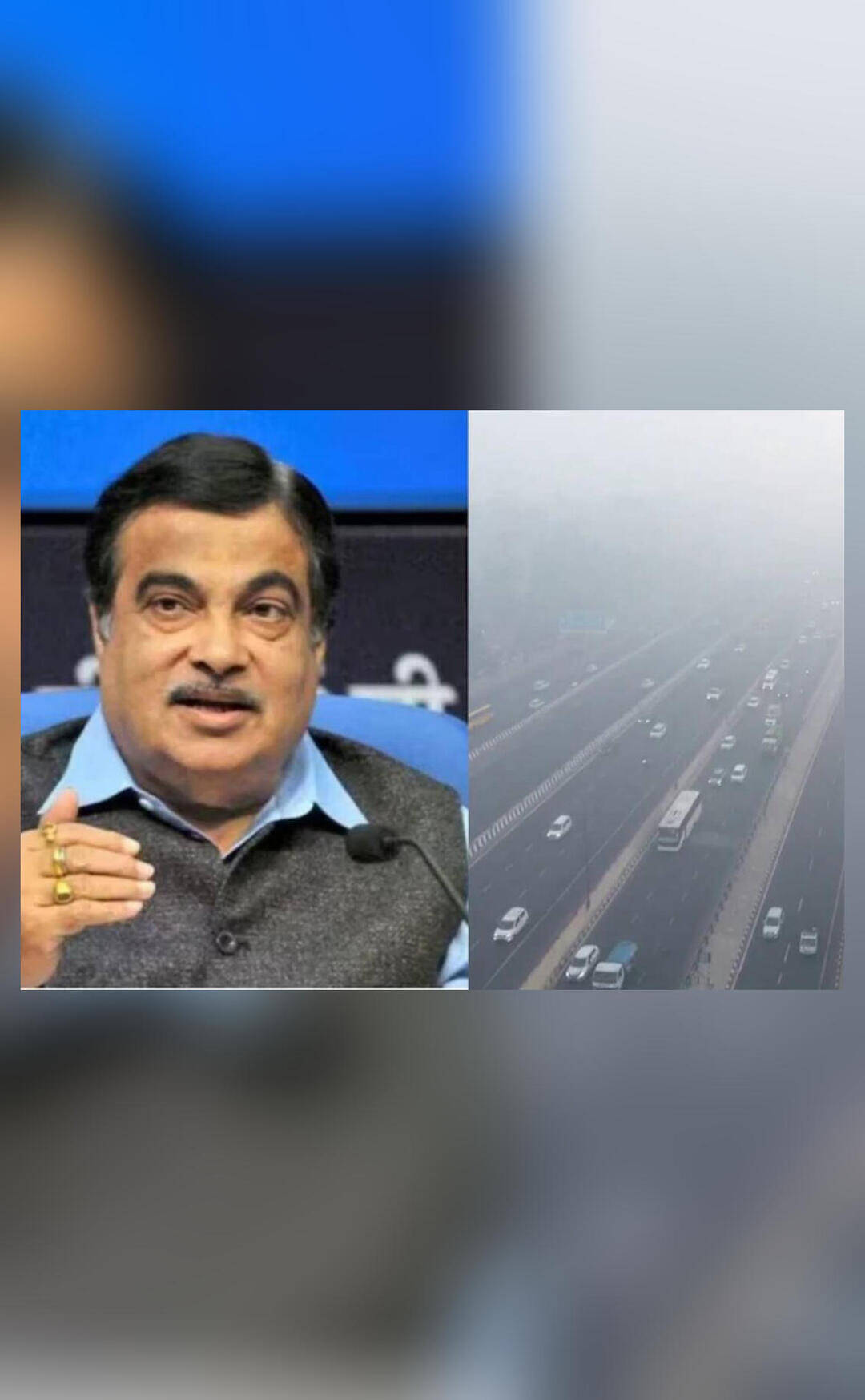
40% Pollution Linked to Our Sector: Transport Minister Gadkari
The issue of pollution has become a pressing concern in recent years, with many Indian cities consistently ranking among the most polluted in the world. Delhi, in particular, has been grappling with severe air pollution, with the city’s residents often waking up to hazardous air quality indices. The problem has become so severe that even the country’s top leaders are not immune to its effects. Recently, Union Transport Minister Nitin Gadkari revealed that he develops throat infections if he stays in Delhi for more than two days.
Speaking about the alarming levels of pollution in Delhi, Gadkari acknowledged the significant role that the transport sector plays in contributing to the problem. “I’m the Road Transport Minister, and around 40 per cent of pollution is linked to our sector,” he said. These words are significant, coming from a minister who has been at the forefront of India’s infrastructure development. By acknowledging the transport sector’s contribution to pollution, Gadkari has highlighted the need for urgent action to mitigate the problem.
Gadkari’s statement is backed by data, which suggests that the transport sector is indeed a major contributor to pollution. The sector’s reliance on fossil fuels is a significant factor, as these fuels release harmful pollutants when burned. The minister himself pointed out the limitations of fossil fuels, saying, “Fossil fuels are limited, and pollution is increasing. Can’t we reduce fossil fuel usage?” This question gets to the heart of the problem, as the world’s increasing reliance on fossil fuels has led to a surge in pollution levels.
The transport sector’s contribution to pollution is not limited to Delhi; it is a global problem. According to the International Energy Agency (IEA), the transport sector accounts for around 23% of global energy-related CO2 emissions. In India, the transport sector is the second-largest contributor to greenhouse gas emissions, after the energy sector. The country’s rapid urbanization and growing middle class have led to an increase in vehicle ownership, resulting in higher emissions.
So, what can be done to reduce the transport sector’s contribution to pollution? One solution is to promote the use of alternative fuels, such as electric vehicles (EVs) and biofuels. EVs, in particular, have gained popularity in recent years, with many countries investing heavily in EV infrastructure. India has also set ambitious targets for EV adoption, with the government aiming to have 30% of new vehicle sales be electric by 2030.
Another solution is to improve public transport systems, making them more efficient and reliable. This can be achieved by investing in modern bus and train systems, as well as promoting non-motorized transport, such as cycling and walking. By providing citizens with alternatives to private vehicle ownership, cities can reduce the number of vehicles on the road, thereby decreasing emissions.
Gadkari’s statement has sparked a much-needed debate about the transport sector’s role in pollution. As the minister responsible for the sector, he has acknowledged the problem and is now looking for solutions. The Indian government has already taken steps to promote alternative fuels and improve public transport systems. However, more needs to be done to address the scale of the problem.
In conclusion, the transport sector’s contribution to pollution is a pressing concern that requires urgent attention. With 40% of pollution linked to the sector, it is essential that we take steps to reduce our reliance on fossil fuels and promote alternative modes of transport. As Gadkari said, “Can’t we reduce fossil fuel usage?” The answer is yes, but it will require a concerted effort from governments, industries, and individuals. By working together, we can create a more sustainable transport system that benefits both the environment and the economy.
About the Author