30-35 people threw stones, snatched police loud hailer: FIR on Delhi violence
On Wednesday, a violent incident unfolded in Central Delhi’s Turkman Gate area, near the Faiz-e-Ilahi Mosque, as an anti-encroachment drive was being carried out by the Municipal Corporation of Delhi (MCD). The situation took a turn for the worse when a group of approximately 30-35 individuals allegedly began pelting stones at the authorities, leading to a confrontation that resulted in the snatching of a police loud hailer.
According to a First Information Report (FIR) lodged on the complaint of a constable, the violence erupted during the demolition drive, which was aimed at removing encroachments in the area. The constable’s statement, as recorded in the FIR, reveals that one person from the group not only snatched the government loud hailer from his hand but also damaged it in the process.
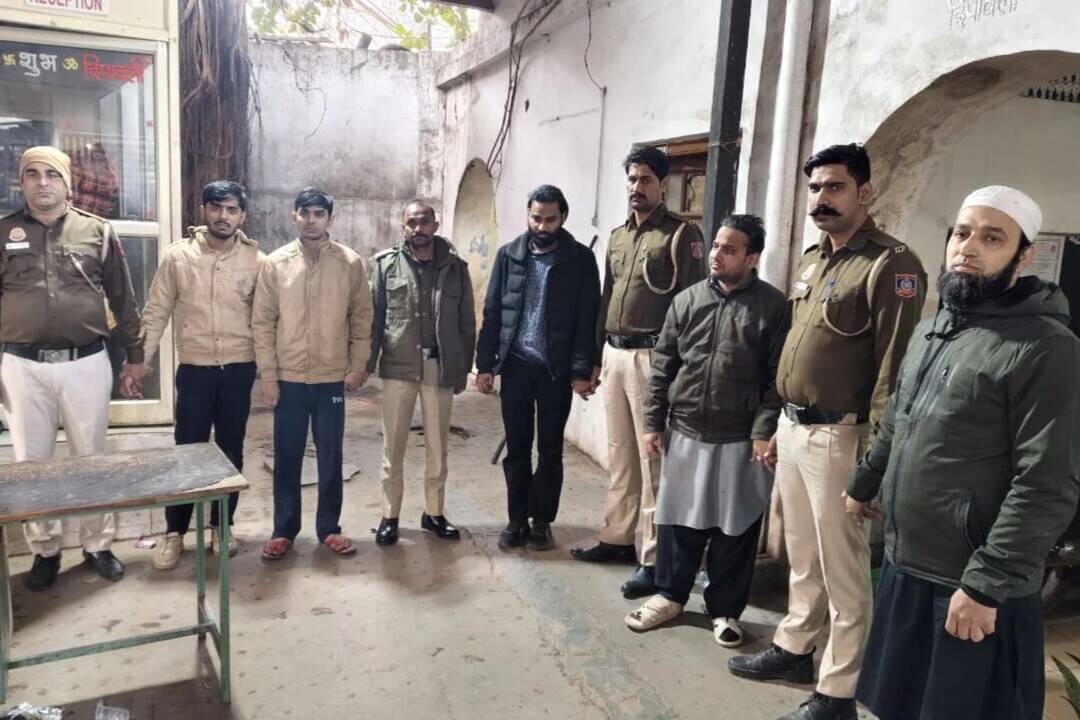
The incident has led to the arrest of five individuals, with the police actively working to identify and locate the others involved in the violence. The FIR provides a detailed account of the events that transpired, highlighting the chaos and disorder that ensued during the anti-encroachment drive.
The MCD’s demolition drive was intended to clear the area of illegal structures and encroachments, which have been a longstanding issue in the region. However, the presence of the Faiz-e-Ilahi Mosque in the vicinity added a sensitive dimension to the operation, as any action perceived as targeting the mosque or its surroundings could potentially spark tensions.
The stone-pelting incident, coupled with the snatching of the police loud hailer, underscores the volatility of the situation and the challenges faced by the authorities in maintaining law and order. The fact that a group of 30-35 individuals could gather and engage in such behavior suggests a level of organization and intent, which the police are now working to unravel.
As the investigation unfolds, it is likely that more details will emerge about the events leading up to the violence and the identities of those involved. The police will need to scrutinize the circumstances surrounding the incident, including any potential provocations or incitement that may have contributed to the escalation of the situation.
The arrest of five individuals is a significant step towards holding those responsible accountable for their actions. However, the police must also ensure that the remaining individuals involved in the violence are identified and brought to justice, in order to send a strong message that such behavior will not be tolerated.
In the context of Delhi’s complex and often contentious urban landscape, the incident highlights the need for careful planning and execution of demolition drives, particularly in sensitive areas. The MCD and the police must work together to develop strategies that balance the need to address encroachments and illegal structures with the imperative of maintaining communal harmony and avoiding unnecessary provocations.
As the city navigates the challenges of urbanization and development, it is essential that the authorities prioritize transparency, accountability, and community engagement in their efforts to manage public spaces and address encroachments. By doing so, they can help to build trust and mitigate the risks of violence and social unrest.
In conclusion, the incident in Turkman Gate serves as a reminder of the complexities and challenges inherent in urban governance, particularly in a city like Delhi, where diverse communities and interests intersect. As the investigation into the violence continues, it is crucial that the authorities remain committed to upholding the rule of law, protecting public safety, and promoting communal harmony.
About the Author