30-35 people threw stones, snatched police loud hailer: FIR on Delhi violence
On Wednesday, a violent incident unfolded in Central Delhi’s Turkman Gate area, near the Faiz-e-Ilahi Mosque, during an anti-encroachment drive conducted by the Municipal Corporation of Delhi (MCD). According to a First Information Report (FIR) filed by a constable, a group of around 30-35 people allegedly pelted stones at the authorities, causing disruption and damage to property. The situation escalated further when one individual snatched a government loud-hailer from the constable’s hand and damaged it.
The FIR, which provides a detailed account of the events, states that the constable was part of the team deployed to assist the MCD in the anti-encroachment drive. As the team began to demolish the encroachments, a group of people gathered and started throwing stones, creating a hostile environment. The constable, in an attempt to maintain order and disperse the crowd, used a loud-hailer to issue warnings and instructions. However, one person from the crowd snatched the device from the constable’s hand and damaged it, further exacerbating the situation.
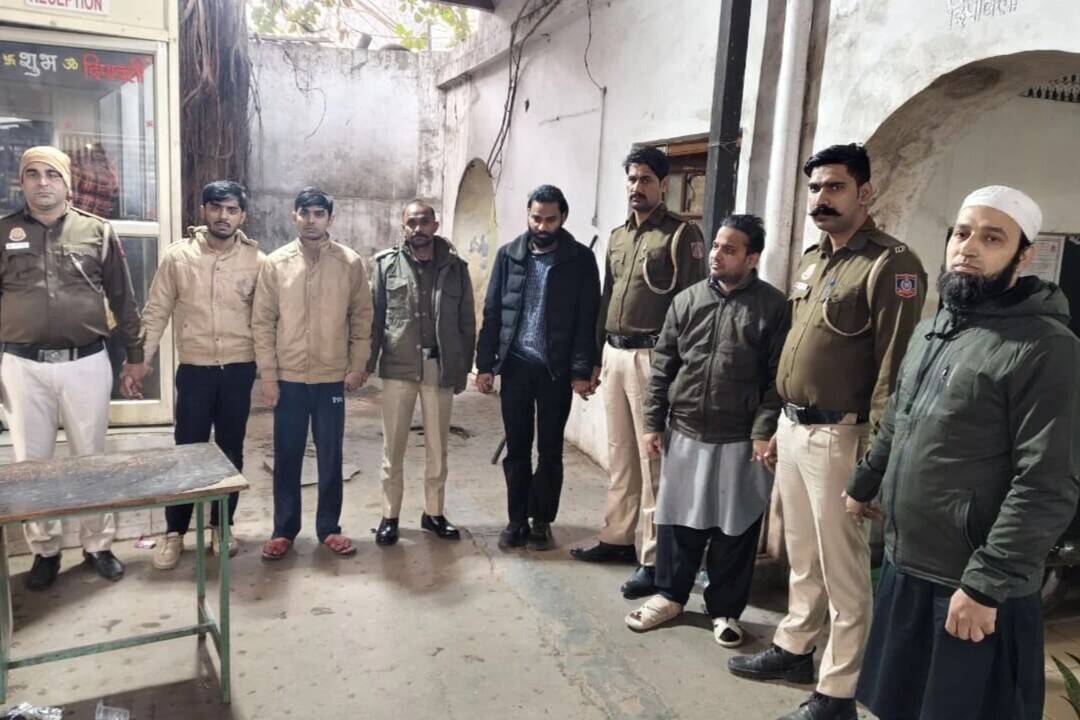
The police have arrested five individuals in connection with the violence, and efforts are underway to identify and apprehend the remaining perpetrators. The incident highlights the challenges faced by authorities in maintaining law and order, particularly during sensitive operations like anti-encroachment drives. The use of force and violence by the crowd not only poses a risk to the safety of the personnel involved but also undermines the rule of law and the democratic process.
The MCD’s anti-encroachment drive is part of a broader effort to reclaim public spaces and ensure that the city’s infrastructure is not encroached upon by unauthorized constructions. While the drive is aimed at promoting urban development and improving the quality of life for citizens, it often encounters resistance from those who have encroached upon public land. In some cases, this resistance can turn violent, as seen in the incident near the Faiz-e-Ilahi Mosque.
The police have assured that they will take all necessary measures to maintain law and order in the area and prevent any further incidents of violence. The authorities have also appealed to the public to cooperate with the MCD and the police in their efforts to maintain the city’s infrastructure and public spaces.
The incident has also raised questions about the need for more effective strategies to address encroachments and the importance of community engagement in such initiatives. While the MCD and the police have a crucial role to play in enforcing the law and maintaining order, it is equally important to engage with local communities and address their concerns and grievances. By doing so, the authorities can build trust and cooperation, reducing the likelihood of violent confrontations and promoting a more peaceful and inclusive urban development process.
In conclusion, the incident near the Faiz-e-Ilahi Mosque in Central Delhi’s Turkman Gate area highlights the challenges faced by authorities in maintaining law and order during sensitive operations like anti-encroachment drives. The use of force and violence by the crowd is unacceptable and undermines the rule of law and the democratic process. The police and the MCD must work together to develop more effective strategies to address encroachments, engage with local communities, and promote a more peaceful and inclusive urban development process.
The authorities must also take firm action against those who resort to violence and vandalism, ensuring that they are held accountable for their actions. By doing so, the authorities can maintain public trust and confidence in their ability to maintain law and order, while also promoting a more secure and prosperous urban environment.
As the investigation into the incident continues, it is essential to recognize the importance of upholding the rule of law and promoting a culture of peace and respect for authority. The public must cooperate with the authorities and respect the law, while the authorities must work to build trust and engagement with local communities. By working together, we can create a safer, more prosperous, and more inclusive urban environment for all.
About the Author