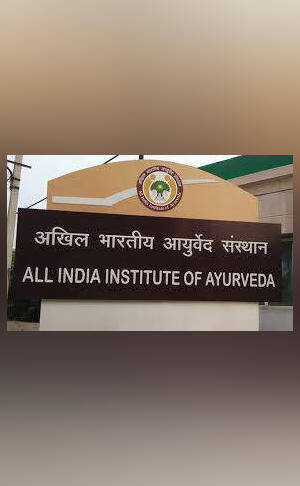
3 new ‘All India Institutes of Ayurveda’ to be set up in India
In a significant move to promote traditional Indian systems of medicine, Union Finance Minister Nirmala Sitharaman announced in the Union Budget 2026 that three new ‘All India Institutes of Ayurveda’ will be set up in India. This announcement is part of the government’s efforts to strengthen the country’s healthcare infrastructure and provide more opportunities for research and development in the field of Ayurveda.
The establishment of these new institutes is expected to boost the growth of Ayurveda in India, which is already a popular system of medicine in the country. Ayurveda, which translates to “the science of life” in Sanskrit, is a traditional system of medicine that originated in India over 3,000 years ago. It is based on the concept of balance and harmony in the body, and uses natural remedies such as herbs, massage, and yoga to promote health and wellness.
The three new ‘All India Institutes of Ayurveda’ will be set up in addition to the existing All India Institute of Ayurveda in New Delhi, which was established in 2016. The new institutes will be located in different parts of the country, and will provide undergraduate and postgraduate education in Ayurveda, as well as conduct research in the field.
In addition to the establishment of the new institutes, the Union Finance Minister also announced that 1.5 lakh caregivers will be trained on “core care and allied skills, such as wellness, yoga and operation of medical and assistive devices.” This move is expected to address the shortage of skilled caregivers in the country, and provide more opportunities for employment in the healthcare sector.
The minister also announced the upgrading of AYUSH pharmacies, which will provide better facilities for the manufacture and sale of Ayurvedic medicines. The upgrading of these pharmacies is expected to improve the quality of Ayurvedic medicines available in the market, and provide more opportunities for entrepreneurs and small businesses in the sector.
The establishment of the new ‘All India Institutes of Ayurveda’ and the upgrading of AYUSH pharmacies are part of the government’s efforts to promote traditional Indian systems of medicine, which include Ayurveda, Yoga, Unani, Siddha, and Homeopathy. The government has been actively promoting these systems of medicine in recent years, and has established a number of initiatives to support their growth and development.
One of the key initiatives of the government is the National AYUSH Mission, which was launched in 2014 to promote the growth and development of traditional Indian systems of medicine. The mission provides financial support to states and union territories to establish AYUSH hospitals, dispensaries, and pharmacies, and to train personnel in these systems of medicine.
The government has also established the Central Council for Research in Ayurvedic Sciences, which is the apex body for research in Ayurveda in India. The council conducts research in various aspects of Ayurveda, including pharmacology, toxicology, and clinical trials, and provides funding to researchers and institutions to conduct studies in the field.
In recent years, there has been a growing interest in Ayurveda and other traditional Indian systems of medicine, both in India and abroad. Many people are seeking alternative forms of medicine, and are looking for more natural and holistic approaches to health and wellness. The establishment of the new ‘All India Institutes of Ayurveda’ and the upgrading of AYUSH pharmacies are expected to cater to this growing demand, and provide more opportunities for research and development in the field.
Overall, the announcement of the establishment of three new ‘All India Institutes of Ayurveda’ and the upgrading of AYUSH pharmacies is a significant move to promote traditional Indian systems of medicine. It is expected to boost the growth of Ayurveda in India, and provide more opportunities for research and development in the field.
The government’s efforts to promote traditional Indian systems of medicine are also expected to have a positive impact on the country’s healthcare sector. By providing more opportunities for education and training in these systems of medicine, the government is addressing the shortage of skilled healthcare professionals in the country. The establishment of the new institutes and the upgrading of AYUSH pharmacies are also expected to create more employment opportunities in the healthcare sector, and provide a boost to the country’s economy.
In conclusion, the establishment of three new ‘All India Institutes of Ayurveda’ and the upgrading of AYUSH pharmacies are significant moves to promote traditional Indian systems of medicine. These initiatives are expected to boost the growth of Ayurveda in India, and provide more opportunities for research and development in the field. The government’s efforts to promote traditional Indian systems of medicine are also expected to have a positive impact on the country’s healthcare sector, and provide more opportunities for employment and economic growth.
News Source: https://x.com/PIB_India/status/2017848188900938057
About the Author