2 Suspected Nipah Virus Cases Detected in Bengal, Both Critical
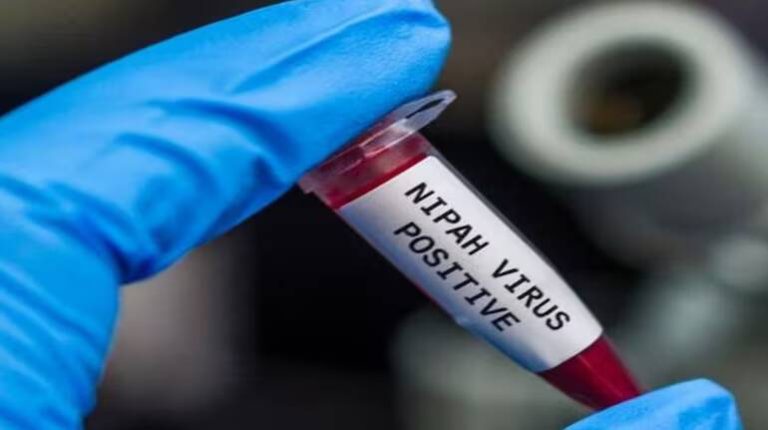
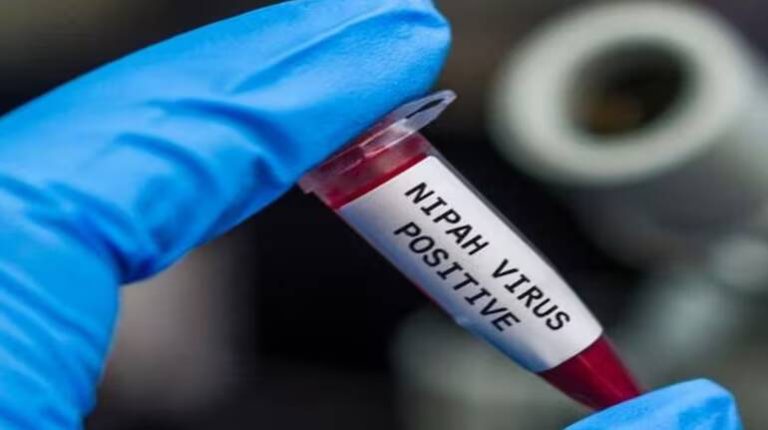
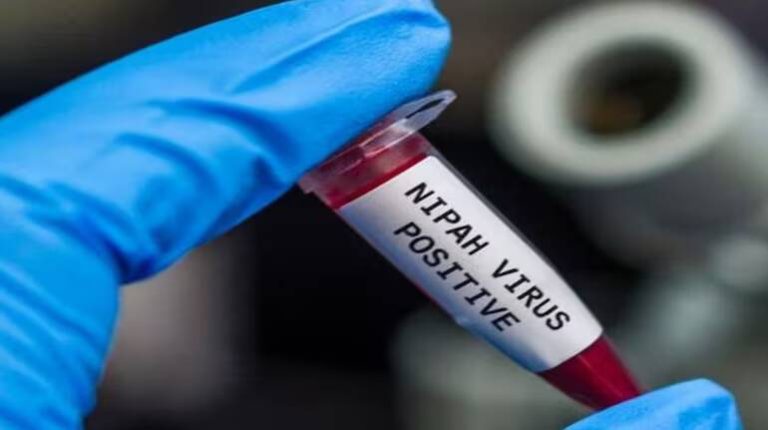
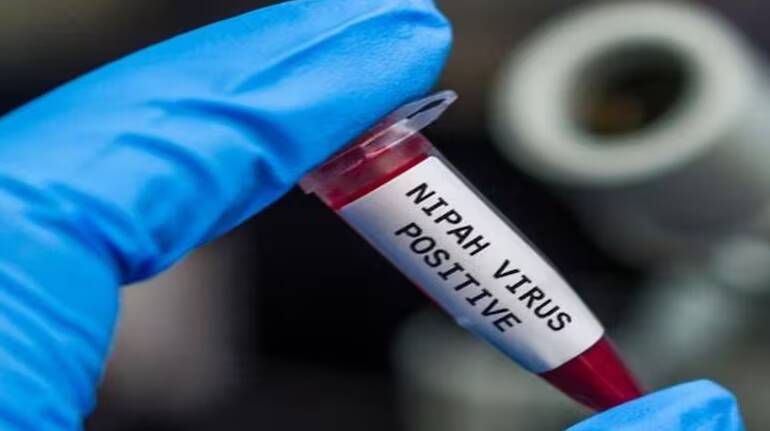
In a worrying development, two suspected cases of Nipah virus have been detected in West Bengal’s Barasat, officials announced on Monday. The infection was found in two nurses, one male and one female, who are currently admitted to Barasat Hospital in critical condition. This news has sent shockwaves across the state, with health authorities scrambling to contain the potential outbreak.
According to reports, the two nurses were admitted to the hospital with symptoms similar to those of Nipah virus, including high fever, headache, and respiratory problems. The hospital authorities immediately alerted the state health department, which in turn informed the central government about the suspected cases. The Union Health Minister, JP Nadda, has taken prompt action and sent a National Joint Outbreak Response Team to West Bengal to investigate the outbreak and provide assistance.
The Nipah virus is a highly contagious and deadly disease that can be transmitted through direct contact with infected bats, pigs, or humans. The virus was first identified in 1998 in Malaysia and Singapore, and since then, there have been several outbreaks in different parts of the world, including India. The virus can cause severe respiratory and brain symptoms, and can be fatal if not treated promptly.
The detection of suspected Nipah virus cases in West Bengal has raised concerns about the spread of the disease in the state. The state health department has issued an alert and is taking measures to prevent the spread of the disease. The health authorities are also conducting contact tracing to identify people who may have come into contact with the infected nurses.
The National Joint Outbreak Response Team sent by the central government will work closely with the state health department to investigate the outbreak and provide assistance. The team will include experts from the National Centre for Disease Control (NCDC), the Indian Council of Medical Research (ICMR), and other organizations. The team will conduct tests to confirm whether the two nurses are indeed infected with the Nipah virus and will also provide guidance on how to manage the outbreak.
The Union Health Minister, JP Nadda, has assured that the central government is taking all necessary steps to contain the outbreak and prevent the spread of the disease. “We are closely monitoring the situation and are working with the state government to provide all necessary assistance,” he said.
The detection of suspected Nipah virus cases in West Bengal is a reminder of the importance of being vigilant and taking prompt action to prevent the spread of infectious diseases. The state health department and the central government must work together to contain the outbreak and prevent the spread of the disease.
In the meantime, the people of West Bengal, particularly those living in and around Barasat, are advised to take necessary precautions to prevent the spread of the disease. This includes avoiding close contact with people who are sick, washing hands frequently, and avoiding consumption of date palm sap, which is a known carrier of the Nipah virus.
As the situation develops, it is essential to stay informed and follow the guidelines issued by the health authorities. The central government and the state government must work together to contain the outbreak and prevent the spread of the disease.
In conclusion, the detection of suspected Nipah virus cases in West Bengal is a serious development that requires prompt attention and action. The central government and the state government must work together to contain the outbreak and prevent the spread of the disease. The people of West Bengal must also take necessary precautions to prevent the spread of the disease.
About the Author