2 Suspected Nipah Virus Cases Detected in Bengal, Both Critical
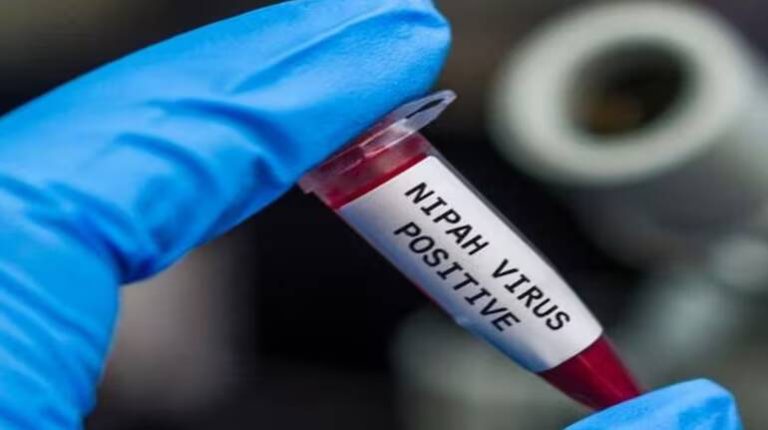
The Nipah virus, a highly infectious and deadly disease, has once again raised its head in India. Two suspected cases of the virus were detected in West Bengal’s Barasat on Monday, sending shockwaves across the medical community. The infection was detected in two nurses, one male and one female, who are currently admitted to Barasat Hospital in critical condition.
According to officials, the two nurses were admitted to the hospital with symptoms of the Nipah virus, including fever, headache, and respiratory problems. The hospital authorities immediately alerted the state health department, which in turn informed the Union Health Ministry. The Union Health Minister, JP Nadda, took swift action and sent a National Joint Outbreak Response Team to check the outbreak and provide assistance.
The Nipah virus is a zoonotic disease, meaning it can be transmitted between animals and humans. It is typically spread through direct contact with infected animals, such as bats or pigs, or through contaminated food and water. The virus can also spread from person to person through close contact with an infected individual.
The symptoms of the Nipah virus can range from mild to severe and can include fever, headache, muscle pain, and respiratory problems. In severe cases, the virus can cause encephalitis, or inflammation of the brain, which can lead to coma or even death. The incubation period of the virus, which is the time between exposure to the virus and the onset of symptoms, can range from 5 to 14 days.
The detection of the two suspected cases in Barasat has raised concerns about the spread of the virus in the region. The state health department has issued alerts to all hospitals and healthcare facilities in the area, instructing them to be vigilant and report any suspected cases of the virus.
The National Joint Outbreak Response Team, which has been sent to Barasat, consists of experts from the National Centre for Disease Control (NCDC) and the World Health Organization (WHO). The team will work closely with the state health department to investigate the outbreak, identify the source of the infection, and provide assistance to the affected individuals.
The team will also conduct contact tracing, which involves identifying and monitoring individuals who may have come into contact with the infected nurses. This is crucial in preventing the spread of the virus and containing the outbreak.
The Union Health Minister, JP Nadda, has assured that the government is taking all necessary steps to contain the outbreak and provide assistance to the affected individuals. “We are closely monitoring the situation and are working closely with the state health department to ensure that all necessary measures are taken to prevent the spread of the virus,” he said.
The detection of the two suspected cases of the Nipah virus in Barasat is a reminder of the importance of vigilance and preparedness in the face of infectious diseases. The government and healthcare authorities must work together to ensure that all necessary measures are taken to prevent the spread of the virus and provide assistance to those affected.
In the meantime, the people of Barasat and surrounding areas are advised to take precautions to prevent the spread of the virus. This includes avoiding close contact with individuals who are suspected of being infected, washing hands frequently, and avoiding consumption of contaminated food and water.
As the situation continues to unfold, it is essential to stay informed and up-to-date with the latest developments. The government and healthcare authorities will provide regular updates and advisories, which should be followed carefully.
In conclusion, the detection of the two suspected cases of the Nipah virus in Barasat is a cause for concern, and it is essential that all necessary measures are taken to contain the outbreak and prevent the spread of the virus. The government and healthcare authorities must work together to ensure that the affected individuals receive the best possible care and that the outbreak is brought under control.
About the Author