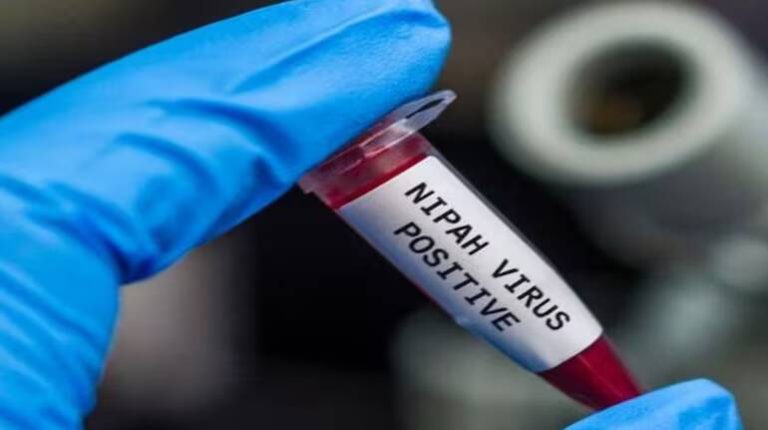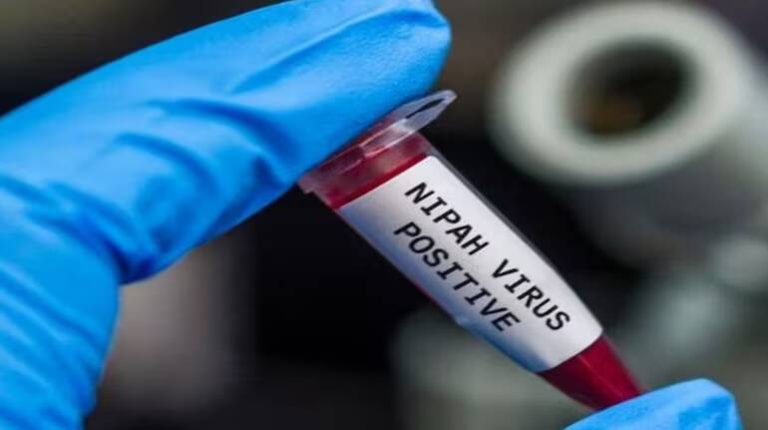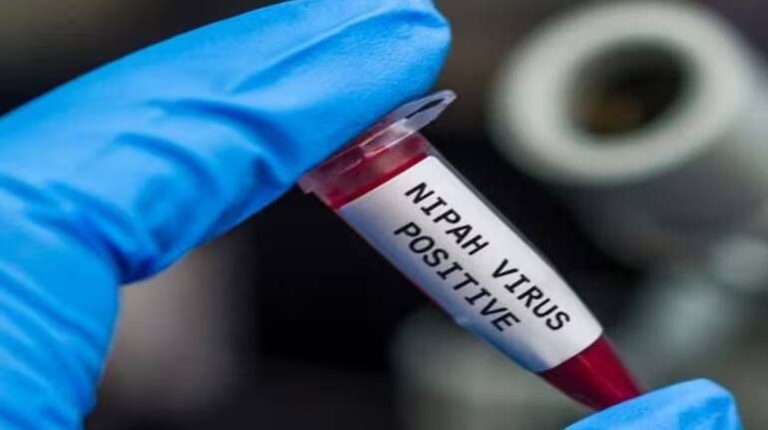
2 Suspected Nipah Virus Cases Detected in Bengal, Both Critical
The Nipah virus, a zoonotic disease that can be transmitted from animals to humans, has once again raised concerns in India. Two suspected cases of the virus were detected in West Bengal’s Barasat, officials said on Monday. The infection was detected in two nurses, one male and one female, who are currently admitted to Barasat Hospital in critical condition. This news has sent shockwaves across the country, and the central government has swiftly responded by sending a team to check the outbreak and provide assistance.
The two nurses, who were working at a private hospital in Barasat, started showing symptoms of the virus a few days ago. They were initially treated for fever and respiratory problems, but as their condition worsened, they were shifted to the Barasat Hospital. The hospital authorities, suspecting that they might be suffering from the Nipah virus, immediately informed the state health department. The department, in turn, informed the central government, which has now sent a National Joint Outbreak Response Team to the affected area.
Union Health Minister JP Nadda said that the team, which includes experts from the National Centre for Disease Control (NCDC) and the All India Institute of Medical Sciences (AIIMS), will work closely with the state health department to check the outbreak and provide assistance. The team will also help in identifying the source of the infection and take measures to prevent its spread.
The Nipah virus, which was first identified in 1998 in Malaysia, is a highly contagious and deadly disease. It can be transmitted through direct contact with infected animals, such as bats and pigs, or through indirect contact with contaminated food and water. The virus can also be transmitted from person to person, making it a highly infectious disease.
The symptoms of the Nipah virus include fever, headache, and respiratory problems, which can progress to more severe symptoms such as encephalitis (inflammation of the brain) and pneumonia. The virus has a high mortality rate, with reports suggesting that it can be as high as 90% in some cases.
The detection of the Nipah virus in West Bengal has raised concerns about the preparedness of the state’s healthcare system to deal with the outbreak. The state government has assured that all necessary measures are being taken to prevent the spread of the disease and provide treatment to the affected patients. However, the fact that the two nurses were working at a private hospital and were not provided with adequate protective gear raises questions about the hospital’s preparedness to deal with infectious diseases.
The central government has also assured that all necessary assistance will be provided to the state government to deal with the outbreak. The government has also advised people to take precautions, such as avoiding close contact with people who are sick and avoiding consumption of contaminated food and water.
The detection of the Nipah virus in West Bengal is a reminder of the importance of having a robust healthcare system that can respond quickly and effectively to outbreaks of infectious diseases. It also highlights the need for increased awareness and education about the risks of zoonotic diseases and the importance of taking precautions to prevent their spread.
In conclusion, the detection of two suspected cases of the Nipah virus in West Bengal’s Barasat is a cause for concern. The central government’s swift response in sending a team to check the outbreak and provide assistance is a welcome move. However, it is essential that the state government and the healthcare system are prepared to deal with the outbreak and provide adequate treatment to the affected patients. It is also crucial that people are aware of the risks of the Nipah virus and take necessary precautions to prevent its spread.
About the Author