2 Suspected Nipah Virus Cases Detected in Bengal, Both Critical
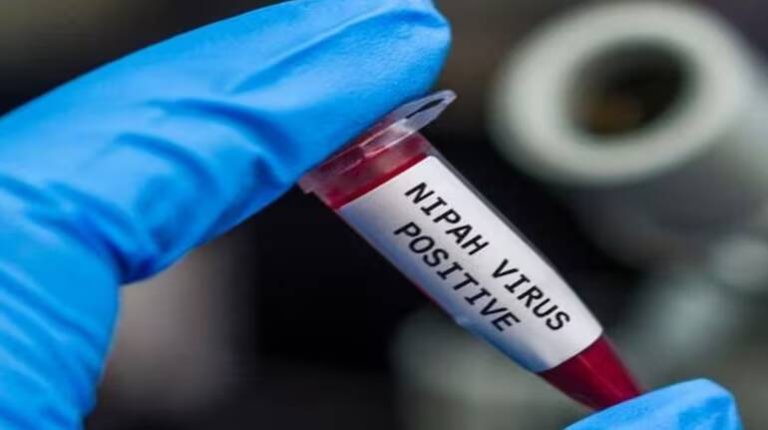
In a disturbing turn of events, two suspected cases of Nipah virus have been detected in West Bengal’s Barasat, sending shockwaves throughout the medical community. According to officials, the infection was detected in two nurses, one male and one female, who are currently admitted to Barasat Hospital in critical condition. The news has sparked concerns about the potential outbreak of the deadly virus, which has been known to claim lives in the past.
The two nurses, whose identities have not been disclosed, were reportedly working at a local hospital in Barasat when they started showing symptoms of the virus. After initial tests, they were transferred to Barasat Hospital, where they are currently undergoing treatment. The hospital authorities have confirmed that the nurses are in a critical condition and are being closely monitored by a team of doctors.
The detection of the suspected Nipah virus cases has prompted the Union Health Minister, JP Nadda, to take immediate action. A National Joint Outbreak Response Team has been sent to Barasat to check the outbreak and provide assistance to the local health authorities. The team, comprising experts from the National Centre for Disease Control (NCDC) and the All India Institute of Medical Sciences (AIIMS), will work closely with the state health department to contain the outbreak and prevent further spread of the virus.
Nipah virus is a zoonotic disease, meaning it can be transmitted between animals and humans. The virus is typically spread through direct contact with infected bats, pigs, or other animals, as well as through contaminated food and water. In humans, the virus can cause a range of symptoms, including fever, headache, and respiratory problems, which can progress to more severe conditions such as encephalitis and pneumonia.
The outbreak of Nipah virus in Barasat has raised concerns about the preparedness of the local health authorities to handle such situations. While the state health department has assured that all necessary measures are being taken to contain the outbreak, the fact that two healthcare workers have been infected has raised questions about the safety protocols in place at local hospitals.
The detection of Nipah virus cases in Bengal is not an isolated incident. In recent years, there have been several outbreaks of the virus in different parts of the country, including Kerala and Karnataka. In 2018, an outbreak of Nipah virus in Kerala claimed 17 lives, highlighting the need for increased awareness and preparedness to tackle such situations.
In the wake of the suspected Nipah virus cases in Barasat, the state health department has issued guidelines for healthcare workers and the general public to take necessary precautions to prevent the spread of the virus. These include wearing masks, gloves, and other protective gear when interacting with patients, as well as maintaining proper hygiene and sanitation.
The Union Health Minister has also assured that all necessary support will be provided to the state health department to contain the outbreak. The Centre has also offered to provide additional teams of experts, if needed, to assist in the containment efforts.
As the situation in Barasat continues to unfold, it is essential that the local health authorities, as well as the general public, remain vigilant and take all necessary precautions to prevent the spread of the virus. The detection of suspected Nipah virus cases is a stark reminder of the need for increased awareness and preparedness to tackle such situations, and it is crucial that we learn from past experiences to prevent such outbreaks in the future.
In conclusion, the detection of two suspected Nipah virus cases in Bengal is a cause for concern, and it is essential that all necessary measures are taken to contain the outbreak and prevent further spread of the virus. The Union Health Minister’s prompt response to the situation is a welcome move, and it is hoped that the combined efforts of the Centre and the state health department will help to contain the outbreak and prevent any further loss of life.
About the Author