2 Suspected Nipah Virus Cases Detected in Bengal, Both Critical
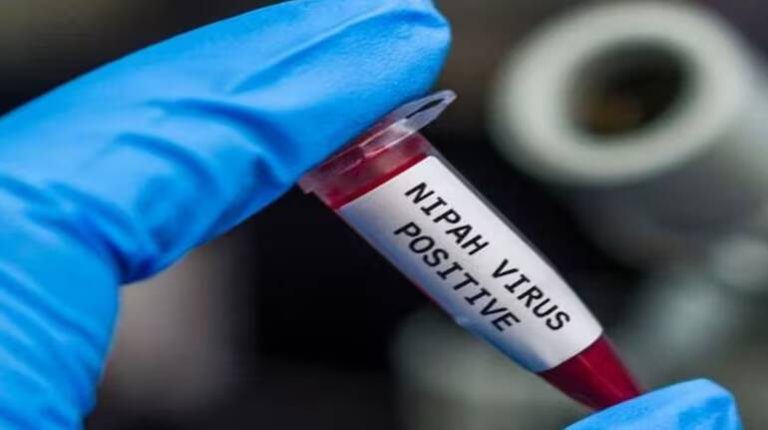
In a concerning development, two suspected cases of Nipah virus have been detected in West Bengal’s Barasat, according to officials. The infection was detected in two nurses, one male and one female, who are currently admitted to Barasat Hospital in critical condition. This news has sent shockwaves across the region, and the central government has swiftly responded by sending a National Joint Outbreak Response Team to check the outbreak and provide assistance.
The Nipah virus is a zoonotic disease, meaning it can be transmitted between animals and humans. It is typically spread through direct contact with infected bats, pigs, or other animals, and can also be spread through close contact with an infected person. The symptoms of Nipah virus infection can range from mild to severe and can include fever, headache, muscle pain, and respiratory problems. In severe cases, it can lead to encephalitis, or inflammation of the brain, which can be fatal.
The two suspected cases were detected after the nurses showed symptoms of the disease. They are currently undergoing treatment at Barasat Hospital, where their condition is being closely monitored. The hospital has been put on high alert, and all necessary precautions are being taken to prevent the spread of the disease.
Union Health Minister JP Nadda has taken swift action in response to the suspected outbreak. A National Joint Outbreak Response Team has been sent to Barasat to check the outbreak and provide assistance. The team will work closely with state health officials to investigate the cases, identify the source of the infection, and take necessary steps to prevent further spread of the disease.
The central government’s prompt response is a welcome move, as it will help to contain the outbreak and prevent it from spreading to other parts of the state or country. The National Joint Outbreak Response Team will provide technical assistance, including laboratory support, epidemiological investigation, and guidance on infection control and prevention.
The suspected outbreak of Nipah virus in Bengal is a reminder of the importance of being vigilant and taking proactive measures to prevent the spread of infectious diseases. It highlights the need for strong surveillance systems, prompt reporting of suspected cases, and effective coordination between state and central health authorities.
In recent years, there have been several outbreaks of Nipah virus in different parts of the country. In 2018, an outbreak of Nipah virus was reported in Kerala, which resulted in the deaths of 17 people. The outbreak was eventually contained, but it highlighted the need for improved preparedness and response to infectious disease outbreaks.
The suspected outbreak of Nipah virus in Bengal also underscores the importance of infection control and prevention measures in healthcare settings. The fact that the two suspected cases are nurses who were likely exposed to the virus while caring for patients highlights the need for strict adherence to infection control protocols, including the use of personal protective equipment (PPE) and proper hand hygiene.
As the situation unfolds, it is essential for the public to remain calm and take necessary precautions to prevent the spread of the disease. This includes avoiding close contact with anyone who is suspected of having the disease, washing hands frequently, and avoiding consumption of fruits or other foods that may be contaminated with the virus.
In conclusion, the suspected outbreak of Nipah virus in Bengal is a concerning development that requires prompt attention and action. The central government’s swift response is a welcome move, and it is essential for state health authorities to work closely with the National Joint Outbreak Response Team to contain the outbreak and prevent further spread of the disease. As the situation unfolds, it is crucial for the public to remain vigilant and take necessary precautions to prevent the spread of the disease.
About the Author