₹200, ₹500 Indian notes allowed in Nepal again
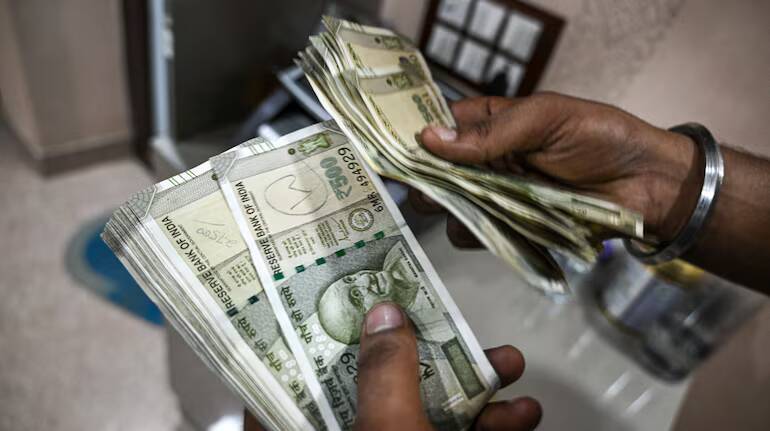
In a significant development, the Nepal government on Monday lifted the ban on high-denomination Indian currency notes of ₹200 and ₹500. This move is expected to boost trade and tourism between India and Nepal, and comes as a relief to citizens of both countries who frequently travel across the border. As per the new regulations, citizens can now carry up to ₹25,000 per person between India and Nepal, making it easier for individuals to conduct business and tourism-related activities.
The ban on high-denomination Indian currency notes was imposed in 2016, following the demonetisation of ₹500 and ₹1000 notes by the Indian government. At that time, the Nepal government had banned the import and export of these notes, citing concerns over money laundering and other illicit activities. However, with India easing restrictions on these notes, Nepal has now followed suit, lifting the ban after nearly a decade.
The decision to lift the ban is expected to have a positive impact on the economies of both countries. India and Nepal have a long-standing trade relationship, with Nepal being one of India’s largest trading partners in the region. The lifting of the ban is expected to increase trade volumes, particularly in the areas of tourism, agriculture, and small-scale industries.
For citizens of both countries, the lifting of the ban is a welcome move. Many Indians travel to Nepal for tourism, pilgrimage, and business purposes, while many Nepalis travel to India for education, medical treatment, and employment. The ability to carry higher denomination notes will make it easier for individuals to conduct transactions, without having to worry about exchanging currency or carrying large amounts of cash.
The Nepal government’s decision to lift the ban is also seen as a move to strengthen bilateral relations between the two countries. India and Nepal have a special relationship, with the two countries sharing a long border and cultural ties. The lifting of the ban is expected to further strengthen these ties, and promote people-to-people contact between the two nations.
In terms of the regulations, citizens can now carry up to ₹25,000 per person between India and Nepal. This includes ₹200 and ₹500 notes, which were previously banned. However, it is worth noting that the regulations still require individuals to declare the amount of cash they are carrying, and to provide proof of the source of the funds.
The lifting of the ban is also expected to boost the tourism industry in Nepal. Many Indian tourists visit Nepal each year, attracted by the country’s natural beauty, rich culture, and historic landmarks. The ability to carry higher denomination notes will make it easier for tourists to conduct transactions, and to pay for services and goods.
In addition to tourism, the lifting of the ban is also expected to benefit small-scale industries and traders. Many small-scale businesses in Nepal rely on imports from India, and the ability to carry higher denomination notes will make it easier for them to conduct transactions and pay for goods.
In conclusion, the Nepal government’s decision to lift the ban on high-denomination Indian currency notes is a welcome move that is expected to boost trade and tourism between the two countries. The ability to carry up to ₹25,000 per person, including ₹200 and ₹500 notes, will make it easier for citizens to conduct transactions and travel across the border. As the two countries continue to strengthen their bilateral relations, this move is seen as a positive step in promoting people-to-people contact and economic cooperation.
About the Author