₹200, ₹500 Indian notes allowed in Nepal again
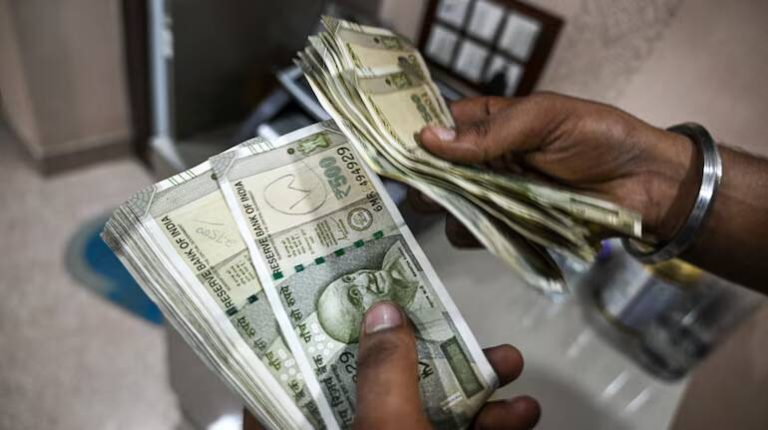
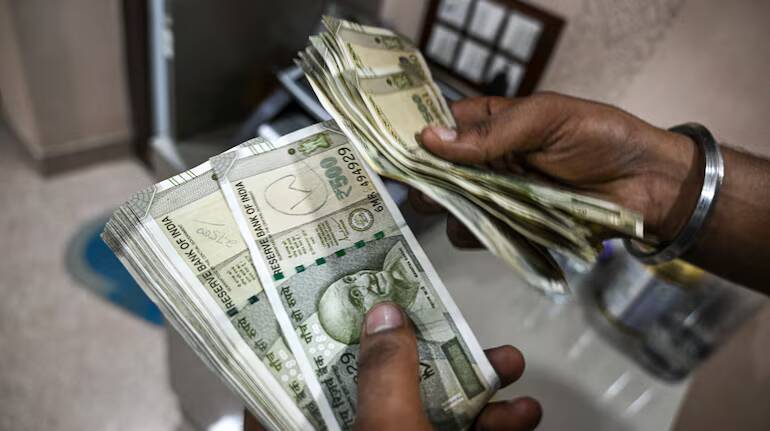
The Nepal government has made a significant announcement that is likely to benefit citizens of both India and Nepal. On Monday, the government lifted the ban on high-denomination Indian currency notes of ₹200 and ₹500. This move comes after India eased restrictions on such notes, which were banned following the 2016 demonetisation. The import and export of these notes from Nepal were also banned after the demonetisation, causing inconvenience to citizens who travel between the two countries.
With the ban lifted, citizens can now carry up to ₹25,000 per person between India and Nepal. This is a significant development, as it will facilitate easier travel and trade between the two countries. The move is expected to benefit tourists, traders, and individuals who travel frequently between India and Nepal.
The ban on high-denomination Indian currency notes was imposed in 2016, when the Indian government demonetised ₹500 and ₹1000 notes. The move was aimed at curbing black money and promoting digital transactions. However, the ban had a significant impact on Nepal, where Indian currency is widely accepted. Many Nepalese citizens who work in India or travel to India for business or tourism were affected by the ban.
The lifting of the ban is a welcome move, as it will make it easier for citizens to carry out transactions between the two countries. Indian currency is widely accepted in Nepal, and many businesses, including hotels, restaurants, and shops, accept Indian currency. The move is also expected to boost tourism between the two countries, as tourists will no longer have to worry about exchanging currency or carrying large amounts of cash.
The Nepal government’s decision to lift the ban is also seen as a sign of improving relations between India and Nepal. The two countries have a long-standing relationship, and the lifting of the ban is expected to further strengthen economic ties between them. The move is also expected to benefit the economy of Nepal, as it will increase the flow of Indian currency into the country.
The lifting of the ban is also a significant development for individuals who travel frequently between India and Nepal. Many individuals who work in India or have family members in India travel frequently between the two countries. The ban on high-denomination Indian currency notes made it difficult for these individuals to carry out transactions, as they had to exchange their currency or carry large amounts of cash. With the ban lifted, these individuals will no longer have to worry about these issues.
In addition to the lifting of the ban, the Nepal government has also announced that citizens can carry up to ₹25,000 per person between India and Nepal. This is a significant amount, and it will make it easier for citizens to carry out transactions between the two countries. The move is also expected to boost trade between the two countries, as businesses will no longer have to worry about exchanging currency or carrying large amounts of cash.
In conclusion, the lifting of the ban on high-denomination Indian currency notes is a significant development that is likely to benefit citizens of both India and Nepal. The move will facilitate easier travel and trade between the two countries, and it will also boost tourism and economic ties between them. With the ban lifted, citizens can now carry up to ₹25,000 per person between India and Nepal, making it easier to carry out transactions between the two countries.
The Nepal government’s decision to lift the ban is a welcome move, and it is expected to have a positive impact on the economy of Nepal. The move is also a sign of improving relations between India and Nepal, and it is expected to further strengthen economic ties between the two countries. As the two countries continue to work together to promote economic cooperation and trade, the lifting of the ban is a significant step in the right direction.
The lifting of the ban is also a significant development for the tourism industry in Nepal. Many tourists who visit Nepal carry Indian currency, and the ban on high-denomination Indian currency notes made it difficult for them to carry out transactions. With the ban lifted, tourists will no longer have to worry about exchanging currency or carrying large amounts of cash. This is expected to boost tourism in Nepal, as tourists will find it easier to travel and carry out transactions in the country.
In addition to the tourism industry, the lifting of the ban is also expected to benefit the trade industry in Nepal. Many businesses in Nepal import goods from India, and the ban on high-denomination Indian currency notes made it difficult for them to carry out transactions. With the ban lifted, businesses will no longer have to worry about exchanging currency or carrying large amounts of cash. This is expected to boost trade between the two countries, as businesses will find it easier to import and export goods.
Overall, the lifting of the ban on high-denomination Indian currency notes is a significant development that is likely to benefit citizens of both India and Nepal. The move will facilitate easier travel and trade between the two countries, and it will also boost tourism and economic ties between them. As the two countries continue to work together to promote economic cooperation and trade, the lifting of the ban is a significant step in the right direction.
About the Author