₹200, ₹500 Indian notes allowed in Nepal again
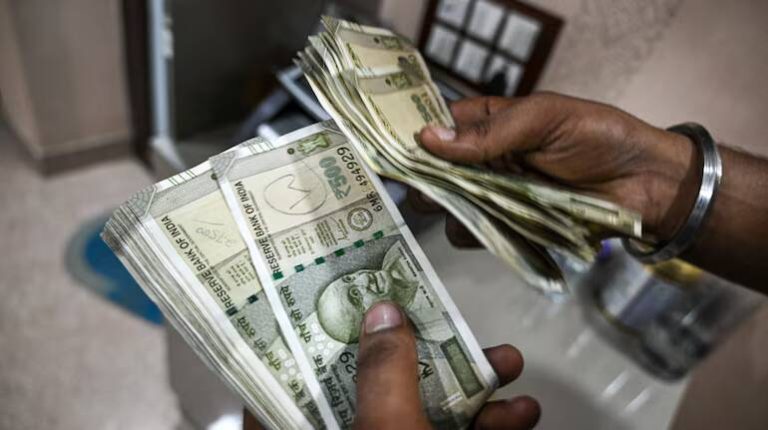
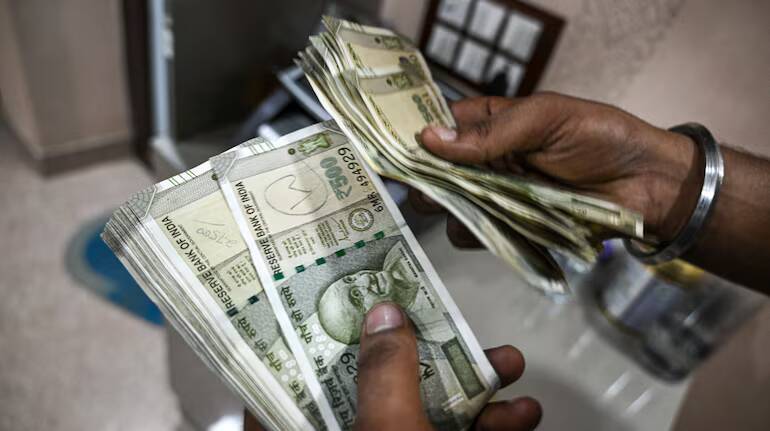
The Nepal government has made a significant move by lifting the ban on high-denomination Indian currency notes of ₹200 and ₹500. This decision comes after a nearly decade-long ban, which was imposed following the 2016 demonetisation in India. The ban had restricted the import and export of these notes from Nepal, causing inconvenience to citizens who frequently travel between the two countries. However, with the latest development, citizens can now carry up to ₹25,000 per person between India and Nepal, making cross-border travel and trade easier.
The 2016 demonetisation in India had a significant impact on Nepal, as the country’s economy is heavily reliant on Indian currency. The sudden ban on high-denomination notes had left many Nepalese citizens with large amounts of worthless currency, causing economic hardship and disrupting trade. The Nepalese government had to take measures to mitigate the effects of the ban, including imposing restrictions on the use of Indian currency in the country.
However, with the passage of time, the Indian government eased restrictions on the use of high-denomination notes, and the Nepalese government has now followed suit. The lifting of the ban is expected to boost trade and tourism between the two countries, as citizens will no longer have to worry about carrying large amounts of cash in lower-denomination notes. The move is also expected to benefit Nepalese workers who travel to India for employment, as they will now be able to carry more cash with them.
The decision to lift the ban was made after careful consideration by the Nepalese government, taking into account the current economic situation and the potential benefits of allowing high-denomination Indian currency notes in the country. The government has also put in place measures to prevent the misuse of these notes, including strict monitoring of cross-border transactions and the imposition of penalties for those found to be using these notes for illicit activities.
The lifting of the ban is a significant development for citizens who frequently travel between India and Nepal. Previously, travelers had to carry large amounts of cash in lower-denomination notes, which was not only inconvenient but also posed a security risk. With the new rules, citizens can now carry up to ₹25,000 per person, making it easier to conduct trade and tourism activities.
The move is also expected to boost the Nepalese economy, as it will increase the flow of Indian currency into the country. Nepal’s economy is heavily reliant on remittances from workers abroad, and the lifting of the ban is expected to increase the amount of money that flows into the country. Additionally, the move is expected to benefit Nepalese businesses that rely on Indian currency, such as hotels, restaurants, and shops.
In conclusion, the lifting of the ban on high-denomination Indian currency notes in Nepal is a significant development that is expected to boost trade and tourism between the two countries. Citizens can now carry up to ₹25,000 per person, making cross-border travel and trade easier. The move is also expected to benefit the Nepalese economy, as it will increase the flow of Indian currency into the country. As the two countries continue to strengthen their economic ties, this move is a positive step towards increasing cooperation and trade.
The decision to lift the ban is a testament to the strong economic ties between India and Nepal. The two countries have a long history of trade and cultural exchange, and the lifting of the ban is expected to further strengthen these ties. As the Nepalese government continues to take measures to boost the economy, the lifting of the ban is a significant step towards increasing economic cooperation between the two countries.
In recent years, the Indian government has taken several measures to strengthen economic ties with Nepal, including the signing of trade agreements and the provision of economic aid. The lifting of the ban is a significant development in this context, as it will increase the flow of Indian currency into Nepal and boost trade and tourism between the two countries.
The Nepalese government has also taken measures to boost the economy, including the implementation of policies to increase foreign investment and promote trade. The lifting of the ban is a significant step towards achieving these goals, as it will increase the flow of Indian currency into the country and boost trade and tourism.
In addition to the economic benefits, the lifting of the ban is also expected to have a positive impact on the tourism industry in Nepal. The country is home to several popular tourist destinations, including the Himalayas and several World Heritage sites. The lifting of the ban is expected to increase the number of tourists visiting Nepal, as citizens will no longer have to worry about carrying large amounts of cash in lower-denomination notes.
Overall, the lifting of the ban on high-denomination Indian currency notes in Nepal is a significant development that is expected to boost trade and tourism between the two countries. The move is a testament to the strong economic ties between India and Nepal and is expected to have a positive impact on the Nepalese economy. As the two countries continue to strengthen their economic ties, this move is a positive step towards increasing cooperation and trade.
About the Author