₹200, ₹500 Indian notes allowed in Nepal again
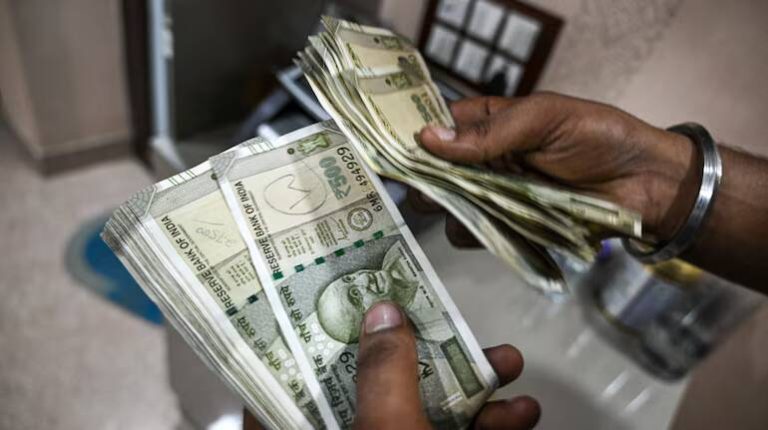
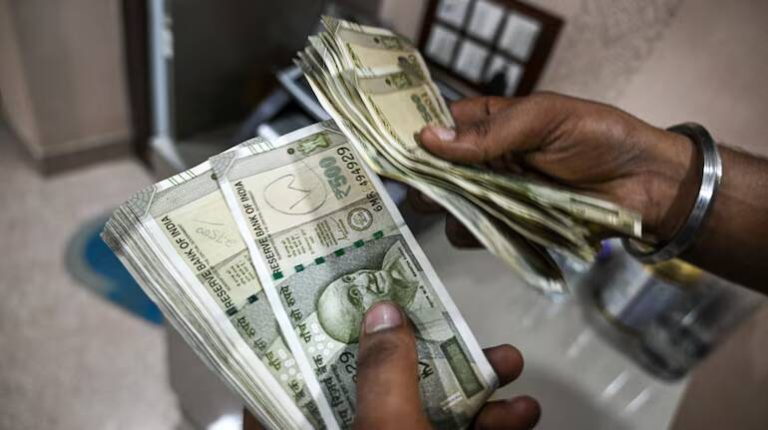
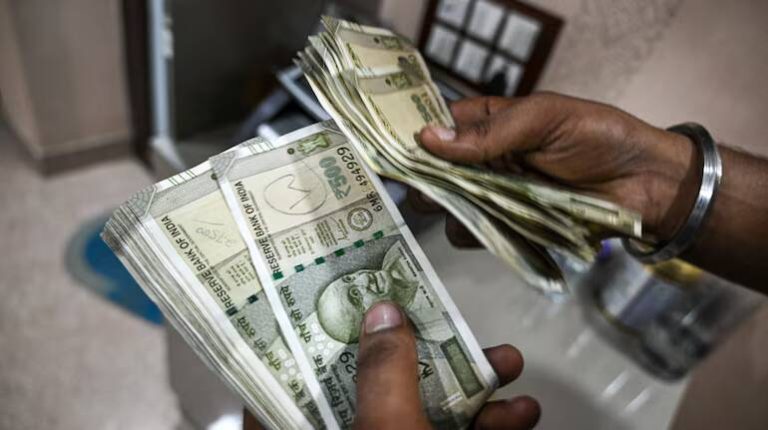
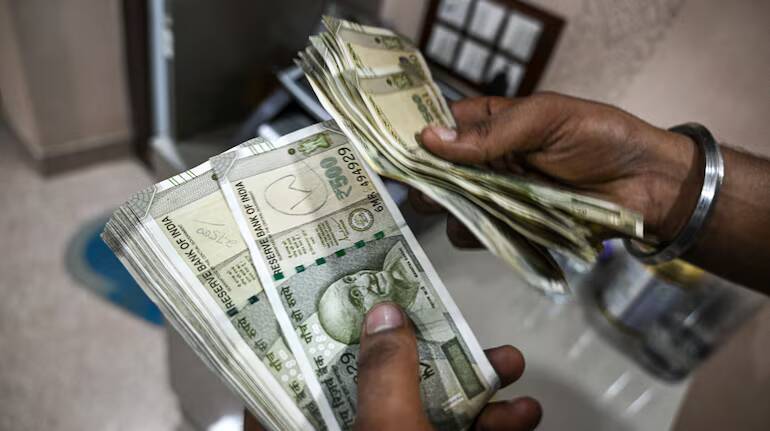
In a significant move, the Nepal government on Monday lifted the ban on high-denomination Indian currency notes of ₹200 and ₹500. This decision allows citizens to carry up to ₹25,000 per person between India and Nepal, marking a significant easing of restrictions that were imposed nearly a decade ago. The ban was initially put in place following the 2016 demonetisation in India, which led to a massive disruption in the use of high-denomination notes in both countries.
The 2016 demonetisation, announced by the Indian government, had banned the use of ₹500 and ₹1000 notes, which were then the highest denomination notes in circulation. The move was aimed at curbing black money and promoting digital transactions. However, the sudden withdrawal of these notes from circulation led to a massive shortage of cash, causing widespread disruption in economic activities, particularly in rural areas and among small businesses.
In the aftermath of the demonetisation, the Nepal government had banned the import and export of the high-denomination Indian currency notes, citing concerns over the potential use of these notes for illicit activities. The ban was seen as a measure to prevent the smuggling of these notes into Nepal and to prevent their use in the country’s economy.
However, with the Indian government easing restrictions on the use of ₹200 and ₹500 notes, the Nepal government has now decided to lift the ban on these notes. The decision is expected to facilitate trade and tourism between the two countries, which have strong cultural and economic ties. Citizens of both countries can now carry up to ₹25,000 per person, which is a significant increase from the earlier limit.
The lifting of the ban is also expected to boost the tourism industry in Nepal, which has been struggling in recent years. Indian tourists are a significant segment of Nepal’s tourism industry, and the ease of carrying high-denomination notes is expected to make it easier for them to travel to Nepal. Similarly, Nepalese citizens who travel to India for business, education, or medical purposes will also benefit from the increased limit.
The decision is also seen as a reflection of the strong bilateral ties between India and Nepal. The two countries have a long-standing relationship, with India being one of Nepal’s largest trading partners. The easing of restrictions on high-denomination notes is expected to further strengthen economic cooperation between the two countries.
It’s worth noting that the lifting of the ban on high-denomination notes is not a unilateral decision by the Nepal government. The Indian government had earlier eased restrictions on the use of ₹200 and ₹500 notes, which paved the way for the Nepal government to lift the ban. The move is seen as a coordinated effort by both governments to facilitate economic cooperation and promote trade and tourism between the two countries.
In conclusion, the lifting of the ban on high-denomination Indian currency notes of ₹200 and ₹500 is a significant move that is expected to facilitate trade and tourism between India and Nepal. The decision is a reflection of the strong bilateral ties between the two countries and is expected to boost economic cooperation. With citizens now allowed to carry up to ₹25,000 per person, the move is expected to have a positive impact on the economy of both countries.
About the Author