₹200, ₹500 Indian notes allowed in Nepal again
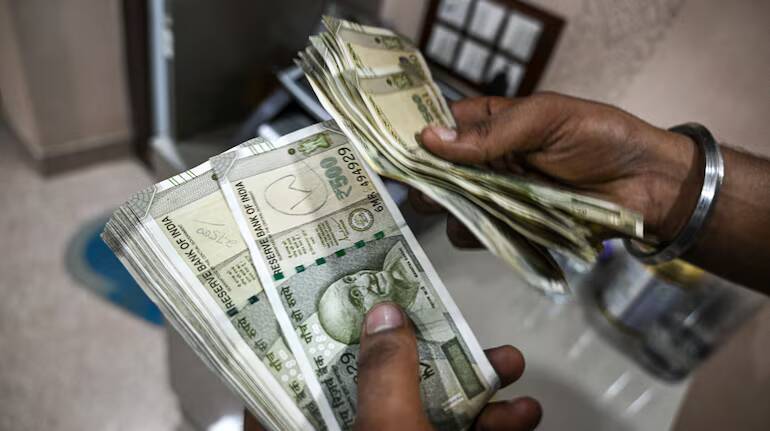
The Nepal government has announced the lifting of the ban on high-denomination Indian currency notes of ₹200 and ₹500, allowing citizens to carry up to ₹25,000 per person between India and Nepal. This move comes after India eased restrictions on such notes, which were banned following the 2016 demonetisation. The ban on the import and export of these notes from Nepal was put in place after the demonetisation, but it has now been waived after nearly a decade.
The decision to lift the ban is expected to boost trade and tourism between India and Nepal, as well as facilitate the movement of people between the two countries. The high-denomination Indian currency notes were previously banned in Nepal due to concerns over money laundering and the financing of illegal activities. However, with the easing of restrictions in India, the Nepal government has decided to follow suit and allow the use of these notes once again.
The lifting of the ban is also expected to benefit Nepalese citizens who work in India, as well as Indian citizens who work in Nepal. Many Nepalese citizens work in India, particularly in the construction and service sectors, and they often carry Indian currency with them when they travel back to Nepal. With the ban lifted, they will now be able to carry up to ₹25,000 per person, making it easier for them to travel between the two countries.
Similarly, Indian citizens who work in Nepal will also benefit from the lifting of the ban. Many Indian citizens work in Nepal, particularly in the IT and banking sectors, and they often carry Indian currency with them when they travel to Nepal. With the ban lifted, they will now be able to carry up to ₹25,000 per person, making it easier for them to conduct business and travel between the two countries.
The lifting of the ban is also expected to boost tourism between India and Nepal. Many Indian tourists visit Nepal each year, and they often carry Indian currency with them. With the ban lifted, they will now be able to carry up to ₹25,000 per person, making it easier for them to travel and conduct transactions in Nepal. Similarly, many Nepalese tourists visit India each year, and they will also benefit from the lifting of the ban.
The Nepal government’s decision to lift the ban on high-denomination Indian currency notes is a significant move that is expected to have a positive impact on the economy and trade between India and Nepal. The move is also expected to facilitate the movement of people between the two countries, making it easier for citizens to travel and conduct business.
In addition to the lifting of the ban, the Nepal government has also announced that it will be taking steps to prevent money laundering and the financing of illegal activities. The government will be working closely with the Reserve Bank of India and other regulatory bodies to ensure that the use of high-denomination Indian currency notes is monitored and regulated.
The lifting of the ban on high-denomination Indian currency notes is a significant development that is expected to have a positive impact on the economy and trade between India and Nepal. The move is also expected to facilitate the movement of people between the two countries, making it easier for citizens to travel and conduct business. With the ban lifted, citizens can now carry up to ₹25,000 per person between India and Nepal, making it easier for them to conduct transactions and travel between the two countries.
In conclusion, the Nepal government’s decision to lift the ban on high-denomination Indian currency notes of ₹200 and ₹500 is a significant move that is expected to have a positive impact on the economy and trade between India and Nepal. The move is also expected to facilitate the movement of people between the two countries, making it easier for citizens to travel and conduct business. With the ban lifted, citizens can now carry up to ₹25,000 per person between India and Nepal, making it easier for them to conduct transactions and travel between the two countries.
About the Author