₹200, ₹500 Indian notes allowed in Nepal again
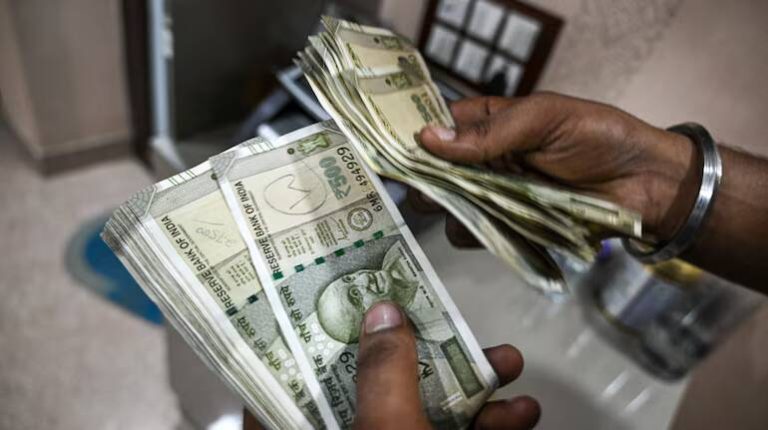
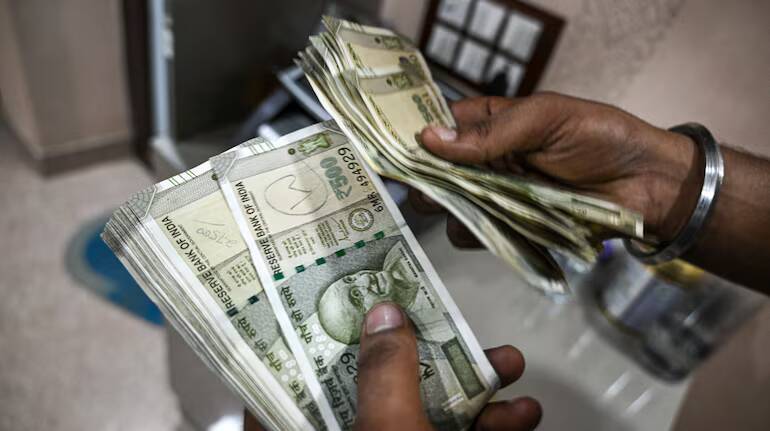
The Nepal government on Monday lifted the ban on high-denomination Indian currency notes of ₹200 and ₹500. Citizens can now carry up to ₹25,000 per person between India and Nepal. This comes after India eased restrictions on such notes, which were banned following the 2016 demonetisation after which the import and export of such notes from Nepal was banned.
The decision to lift the ban is expected to boost trade and tourism between the two countries. Nepal and India have a long-standing relationship, with many Nepalese citizens traveling to India for education, medical treatment, and business purposes. The ban on high-denomination Indian currency notes had caused difficulties for many travelers, who had to rely on lower-denomination notes or other forms of currency.
The Nepal government’s decision to lift the ban is also seen as a positive step towards strengthening economic ties between the two countries. India is one of Nepal’s largest trading partners, and the lifting of the ban is expected to increase trade and commerce between the two nations.
The ban on high-denomination Indian currency notes was imposed in 2016, after the Indian government announced the demonetisation of ₹500 and ₹1000 notes. The move was aimed at curbing black money and promoting digital transactions. However, the ban had a significant impact on Nepal, where many businesses and individuals relied on Indian currency for trade and commerce.
Following the ban, the Nepal government had to introduce special arrangements for Nepalese citizens traveling to India, including the use of lower-denomination notes or other forms of currency. However, these arrangements were often cumbersome and caused difficulties for many travelers.
The lifting of the ban is expected to simplify travel and trade between the two countries. Citizens can now carry up to ₹25,000 per person, which is expected to be sufficient for most travelers. The move is also expected to boost tourism, as many Indian tourists travel to Nepal for trekking, sightseeing, and other adventure activities.
In addition to the lifting of the ban, the Nepal government has also announced plans to promote tourism and trade between the two countries. The government has announced plans to develop new infrastructure, including roads, bridges, and airports, to facilitate travel and trade.
The lifting of the ban on high-denomination Indian currency notes is also seen as a positive step towards promoting economic cooperation between Nepal and India. The two countries have a long-standing relationship, and the lifting of the ban is expected to strengthen economic ties between the two nations.
In recent years, Nepal and India have been working to strengthen economic cooperation, including the development of new trade agreements and infrastructure projects. The lifting of the ban is expected to be an important step towards achieving these goals.
Overall, the lifting of the ban on high-denomination Indian currency notes is a positive development for both Nepal and India. The move is expected to boost trade and tourism between the two countries, and promote economic cooperation. As the two countries continue to work towards strengthening economic ties, the lifting of the ban is an important step in the right direction.
In conclusion, the Nepal government’s decision to lift the ban on high-denomination Indian currency notes is a significant development for both countries. The move is expected to simplify travel and trade, and promote economic cooperation between Nepal and India. As the two countries continue to work towards strengthening economic ties, the lifting of the ban is an important step towards achieving these goals.
About the Author