₹200, ₹500 Indian notes allowed in Nepal again
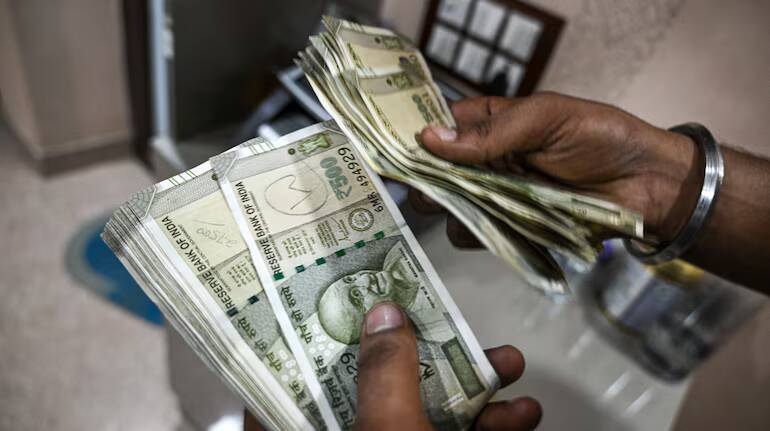
The Nepal government on Monday lifted the ban on high-denomination Indian currency notes of ₹200 and ₹500. Citizens can now carry up to ₹25,000 per person between India and Nepal. This comes after India eased restrictions on such notes, which were banned following the 2016 demonetisation after which the import and export of such notes from Nepal was banned.
The ban on high-denomination Indian currency notes was imposed by the Nepal government in 2016, following the demonetisation of ₹500 and ₹1000 notes by the Indian government. The move was aimed at curbing the flow of black money and counterfeit currency in the country. However, the ban had a significant impact on the people of Nepal, particularly those who travel to India for trade, tourism, and other purposes.
For nearly a decade, citizens of Nepal were not allowed to carry high-denomination Indian currency notes, including ₹200 and ₹500. This caused significant inconvenience to travelers, who had to exchange their money or use alternative modes of payment. The ban also affected the tourism industry, as many Indian tourists visit Nepal every year.
The lifting of the ban is expected to boost trade and tourism between India and Nepal. Citizens can now carry up to ₹25,000 per person, which is a significant amount for travelers. This will make it easier for people to travel between the two countries, without having to worry about exchanging their money or using alternative modes of payment.
The Nepal government’s decision to lift the ban is also seen as a sign of improving relations between India and Nepal. The two countries have been working to strengthen their economic ties, and the lifting of the ban is a significant step in this direction.
The Indian government had eased restrictions on high-denomination notes in recent years, which paved the way for the Nepal government to lift the ban. The Reserve Bank of India (RBI) had allowed banks to accept high-denomination notes, and the government had also allowed the use of these notes for certain transactions.
The lifting of the ban is also expected to benefit the people of Nepal who work in India. Many Nepalese citizens work in India, particularly in the construction and hospitality sectors. They will now be able to carry high-denomination Indian currency notes, which will make it easier for them to send money back to their families in Nepal.
The Nepal government’s decision to lift the ban has been welcomed by travelers, traders, and tourists. Many people have taken to social media to express their relief and happiness at the decision. The move is seen as a positive step, which will boost trade and tourism between India and Nepal.
In conclusion, the lifting of the ban on high-denomination Indian currency notes is a significant development, which will have a positive impact on trade and tourism between India and Nepal. Citizens can now carry up to ₹25,000 per person, which will make it easier for them to travel between the two countries. The move is seen as a sign of improving relations between India and Nepal, and is expected to benefit the people of Nepal who work in India.
The decision to lift the ban is also expected to boost the economy of Nepal, which is heavily dependent on trade with India. The move will make it easier for traders to conduct business between the two countries, and will also boost tourism. Many Indian tourists visit Nepal every year, and the lifting of the ban will make it easier for them to travel to Nepal.
Overall, the lifting of the ban on high-denomination Indian currency notes is a positive development, which will have a significant impact on trade and tourism between India and Nepal. The move is seen as a sign of improving relations between the two countries, and is expected to benefit the people of Nepal.
About the Author