Youngsters may not want to see 70-yr-old’s story: Imran on 3 Khans
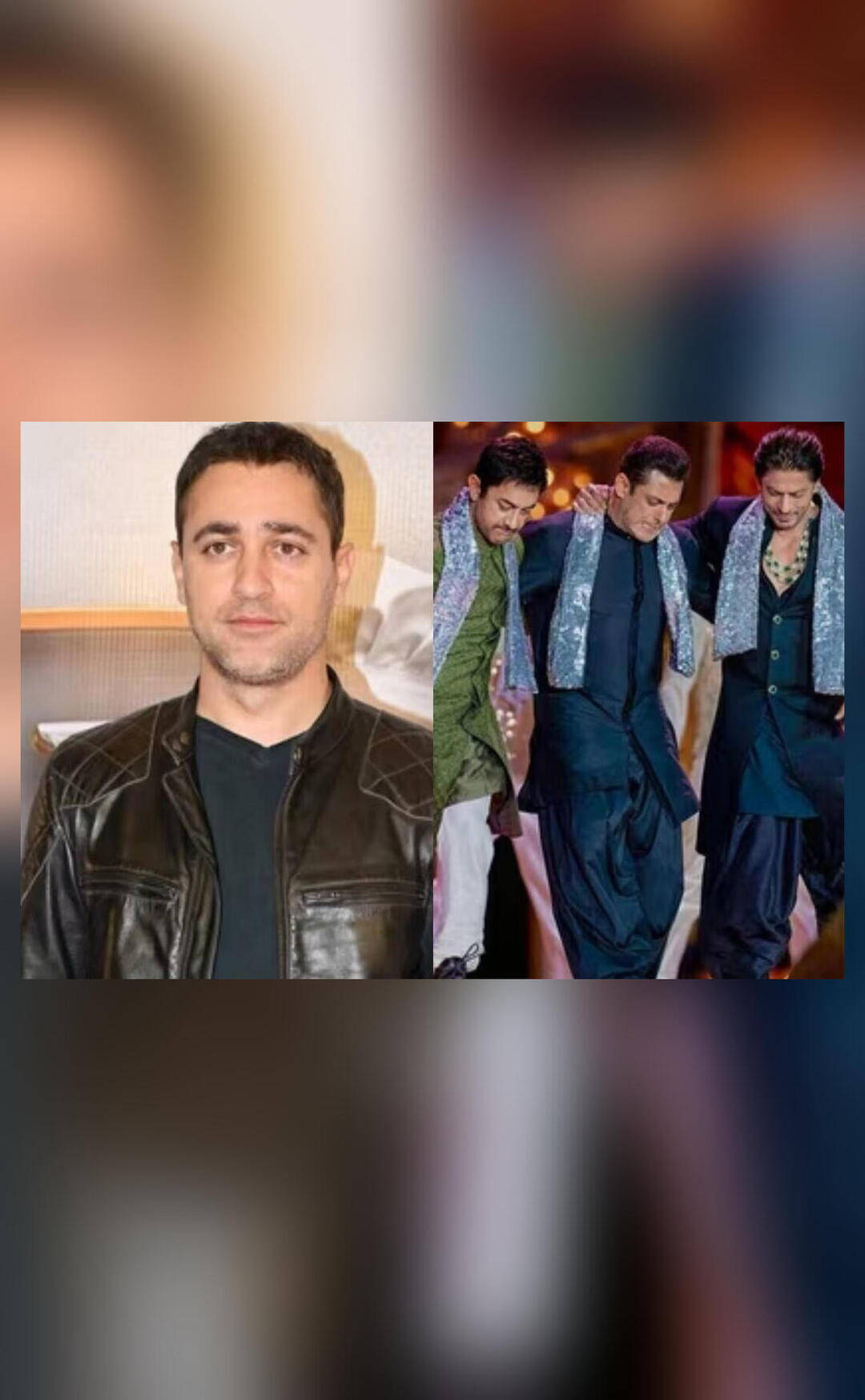
The Indian film industry, popularly known as Bollywood, has been dominated by the three Khans – Salman Khan, Shah Rukh Khan, and Aamir Khan – for decades. These superstars have been entertaining audiences with their versatility and charm, and their films have consistently broken box office records. However, according to actor Imran Khan, it’s time for the three Khans to take on age-appropriate roles, as the audience’s preferences are undergoing a significant shift.
In a recent statement, Imran Khan noted that the younger generation of viewers may not be interested in watching stories centered around a 70-year-old man. He emphasized that there’s a whole new younger generation that begins to attach itself to people closer to them in age. This implies that the audience’s taste and preferences are changing, and the three Khans should adapt to these changes to remain relevant.
Imran Khan’s statement is not entirely unfounded. The Indian film industry has witnessed a significant shift in audience preferences over the years. With the rise of social media and streaming platforms, younger viewers have become more discerning and are seeking content that resonates with them. They are looking for stories that reflect their own experiences, struggles, and aspirations. As a result, films featuring younger actors and storylines that cater to their interests have been gaining popularity.
The three Khans, who are now in their 50s, have been trying to keep up with the changing times. They have been experimenting with different roles and genres, but it’s challenging for them to shed their larger-than-life images and adapt to more mature, age-appropriate roles. Salman Khan, for instance, has been playing the lead role in the blockbuster franchise “Dabangg,” which has been a huge success. However, his recent films, such as “Bharat” and “Radhe,” have not performed as well as expected, despite his huge fan following.
Shah Rukh Khan, on the other hand, has been trying to reinvent himself with films like “Fan” and “Zero,” which have explored more mature themes and storylines. However, these films have not been as successful as his earlier blockbusters, such as “Dilwale Dulhania Le Jayenge” and “Kuch Kuch Hota Hai.” Aamir Khan, known for his perfectionism and attention to detail, has been selective about his projects and has been focusing on more socially relevant themes, such as “Dangal” and “Secret Superstar.”
Imran Khan’s statement highlights the challenges faced by the three Khans in adapting to the changing audience preferences. While they have been trying to evolve and experiment with different roles, it’s not easy for them to shed their iconic images and start anew. The audience’s expectations from them are high, and they are often judged on their past performances.
Moreover, the Indian film industry is highly competitive, and the three Khans face stiff competition from younger actors, such as Ranveer Singh, Varun Dhawan, and Ayushmann Khurrana, who are more relatable to the younger generation. These younger actors have been making a mark in the industry with their versatility and charm, and are slowly but surely gaining a huge following.
In conclusion, Imran Khan’s statement highlights the need for the three Khans to adapt to the changing audience preferences and take on age-appropriate roles. While it’s not easy for them to shed their iconic images and start anew, it’s essential for them to evolve and experiment with different roles to remain relevant. The Indian film industry is undergoing a significant shift, and the three Khans must adapt to these changes to continue entertaining their fans.
As the audience’s preferences continue to evolve, it will be interesting to see how the three Khans respond to these changes. Will they continue to play the lead roles, or will they transition to more mature, age-appropriate roles? Only time will tell, but one thing is certain – the Indian film industry will continue to thrive and entertain audiences with its rich diversity and talent.
About the Author